
Casting
Casting and Carbon Additives: FAQ
Why add carbon to green sand? To create lustrous carbon and a reducing atmosphere that improves surface finish.…

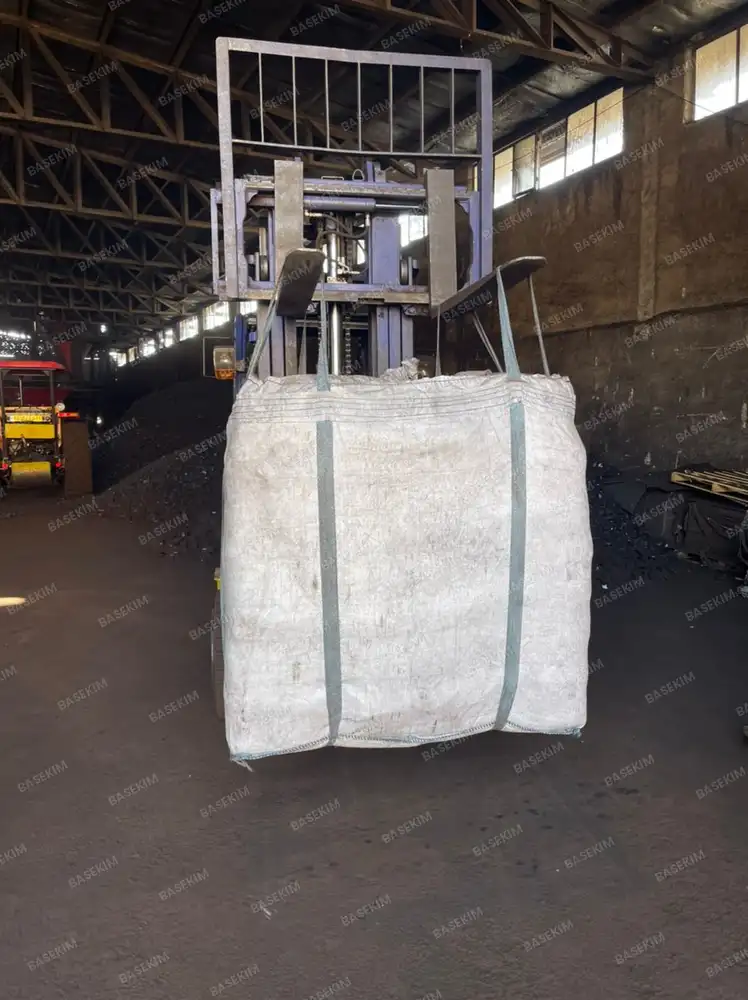

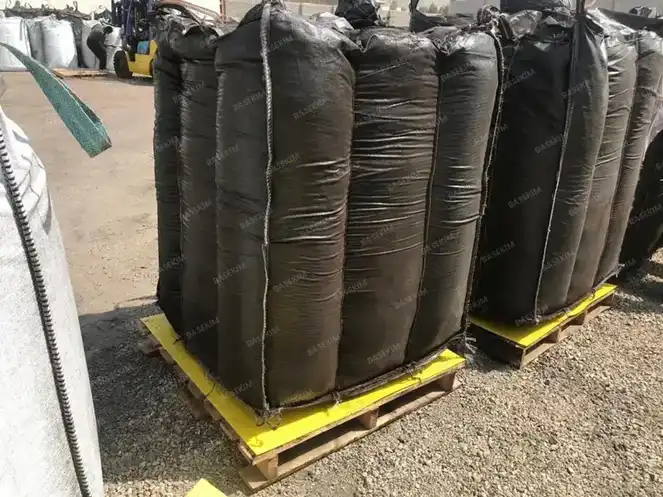
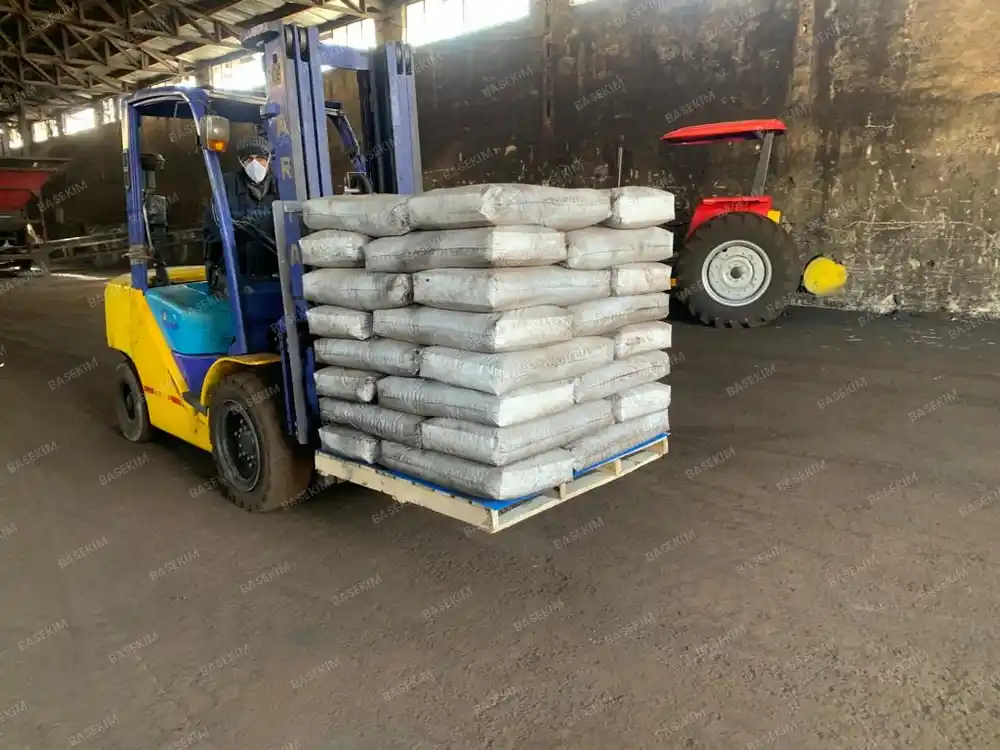
Yaş kum için yüksek parlak karbonlu katkı; döküm yüzeyini iyileştirir ve kömür tozunun yerini alır.
Dökümhane sınıfı gilsonit döküm sıcaklığında uçucu hidrokarbonlar açığa çıkarır ve kalıp–metal ara yüzünde parlak karbon filmi oluşturur. Parçalar daha pürüzsüz çıkar, kum boşaltma daha temiz olur ve geleneksel kömür tozuna göre daha az katkı gerekir.
| Özellik | Tipik değer | Test yöntemi |
|---|---|---|
| Görünüm | Siyah toz | Görsel |
| Tane boyutu | 100 – 300 mesh | Elek |
| Uçucu madde | 55 – 75 % | ASTM D3175 |
| Kül içeriği, maks | 5 % | ASTM D3174 |
| Nem, maks | 1 % | ASTM D95 |
| Yumuşama noktası (R&B) | 150 – 200 °C | ASTM D36 |
| Tipik dozaj | %0,3 – 1,0 (dökme demir) | |
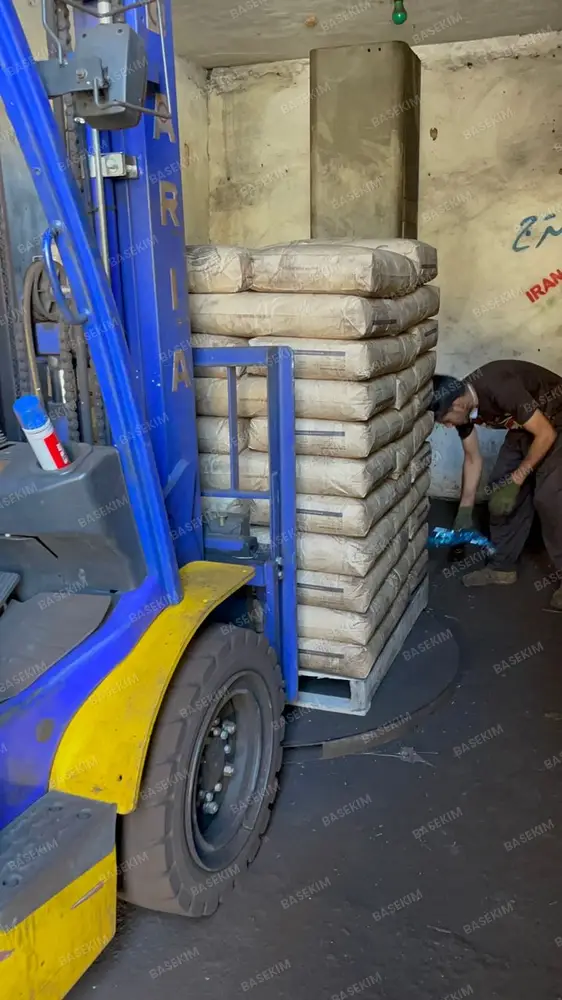
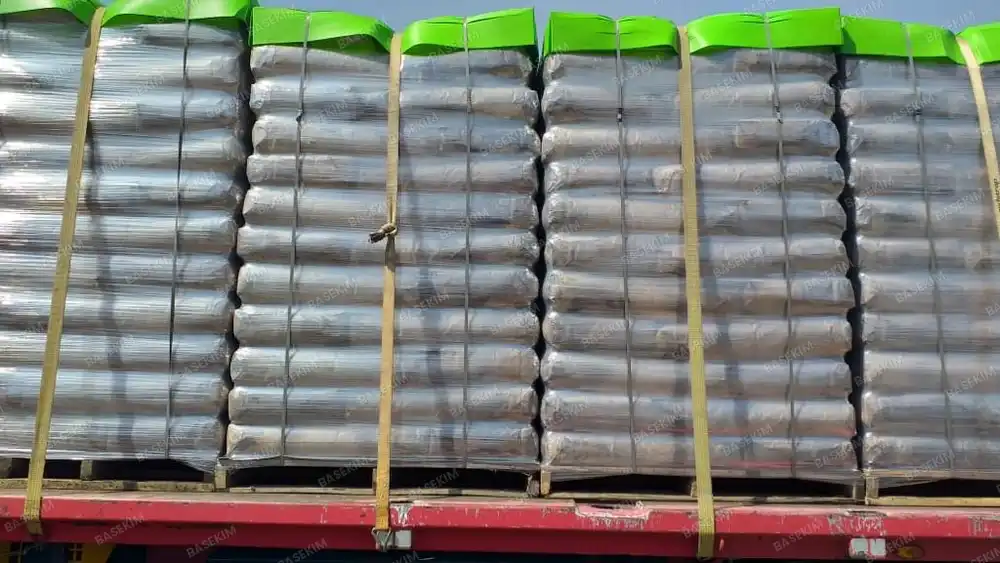
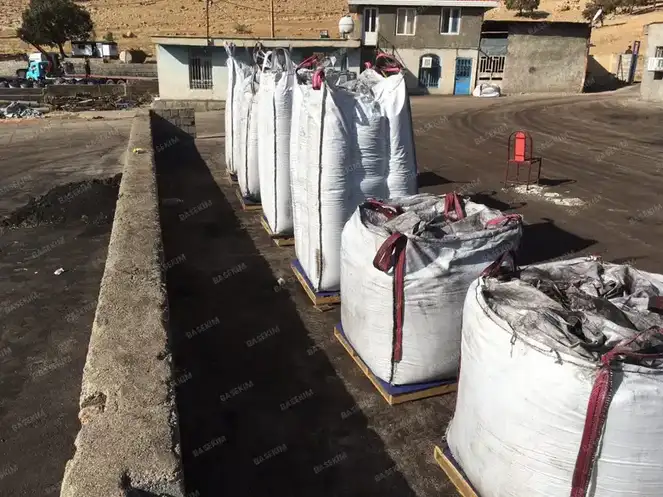
| Ambalaj | Paletli 25 kg torba; karışım tesisleri için 1 ton big bag. | |
Tipik değerlerdir. Nihai spesifikasyon her sevkiyatın COA belgesinde onaylanır.
Why add carbon to green sand? To create lustrous carbon and a reducing atmosphere that improves surface finish.…
Copper alloys are cast at 1000–1200°C and are valued for their appearance. A clean surface reduces polishing. Small…
Veining appears as thin fins of metal on casting surfaces, usually on cores. It is caused by sand…

Switching carbon additives should be done step by step. Record current additive, dosage, LOI, volatiles, sand properties and…
Foundry margins are tight. The carbon additive is a small cost item but influences large costs downstream. Compare…
No-bake (self-setting) sands use resin binders instead of clay. Carbon additives are less common but can be useful.…
Fiyat teklifi, numune ve tam dokümantasyonu (TDS, MSDS, COA) 24 saat içinde alın.