
Casting
Casting and Carbon Additives: FAQ
Why add carbon to green sand? To create lustrous carbon and a reducing atmosphere that improves surface finish.…

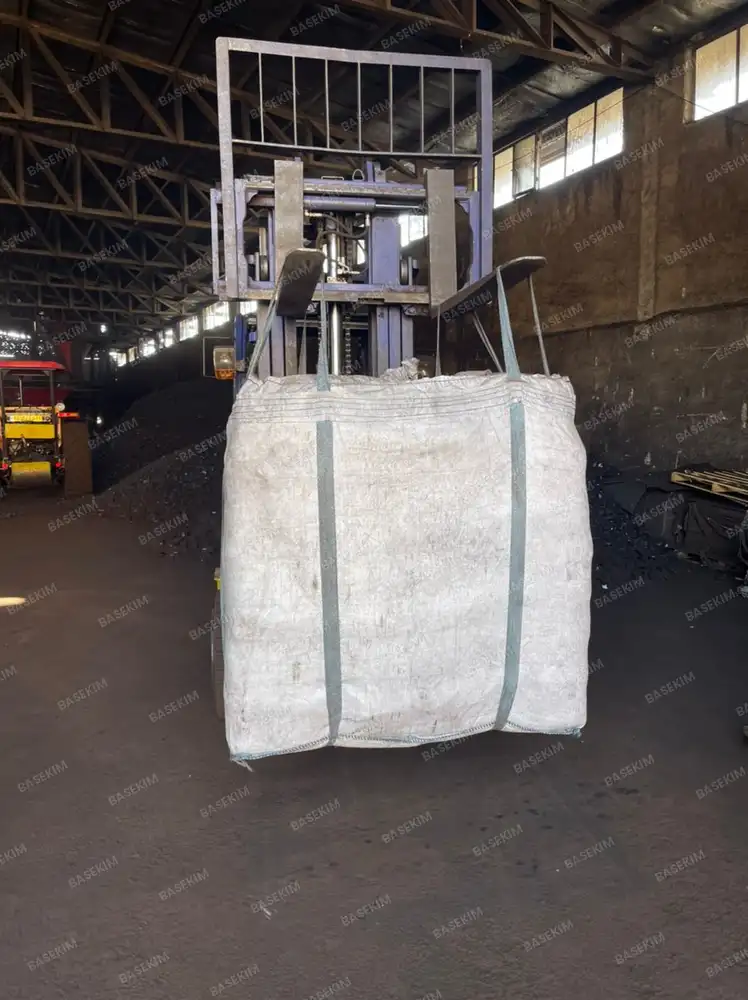

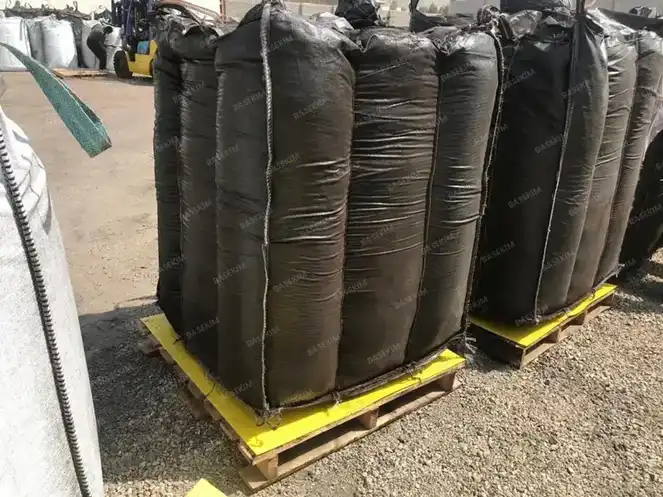
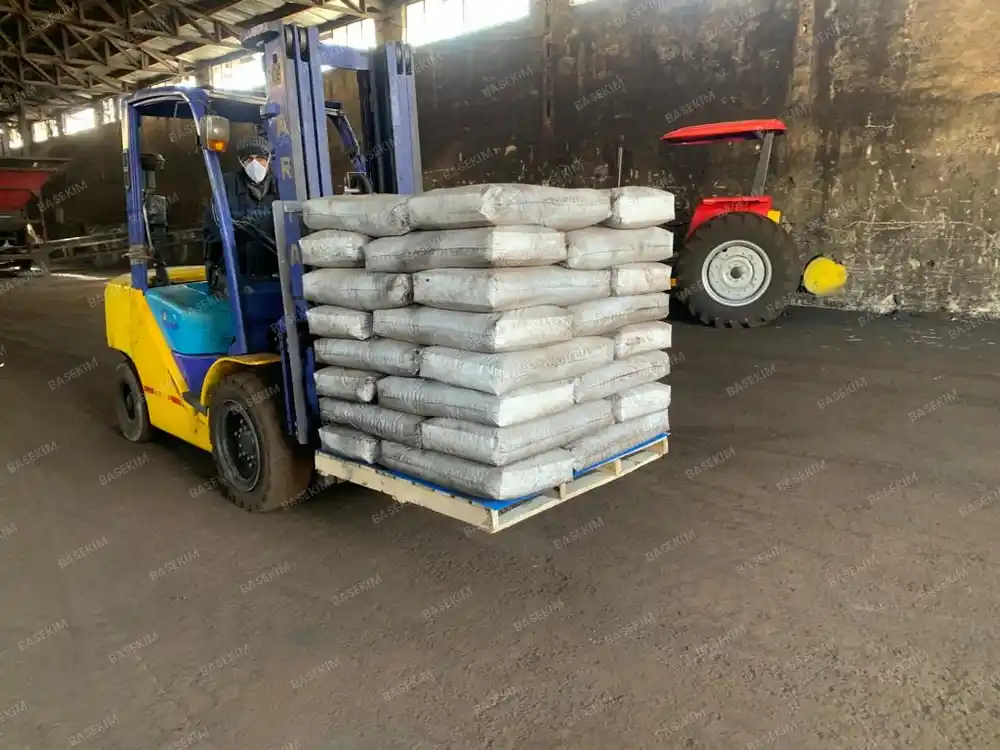
High lustrous-carbon additive for green sand that improves casting finish and replaces sea coal.
Foundry grade gilsonite releases volatile hydrocarbons at pouring temperature that form a lustrous carbon film at the mould–metal interface. Castings come out smoother, shake-out is cleaner and less additive is needed than with traditional sea coal.
| Property | Typical value | Test method |
|---|---|---|
| Appearance | Black powder | Visual |
| Particle size | 100 – 300 mesh | Sieve |
| Volatile matter | 55 – 75 % | ASTM D3175 |
| Ash content, max | 5 % | ASTM D3174 |
| Moisture, max | 1 % | ASTM D95 |
| Softening point (R&B) | 150 – 200 °C | ASTM D36 |
| Typical dosage | 0.3 – 1.0 % (iron) | |
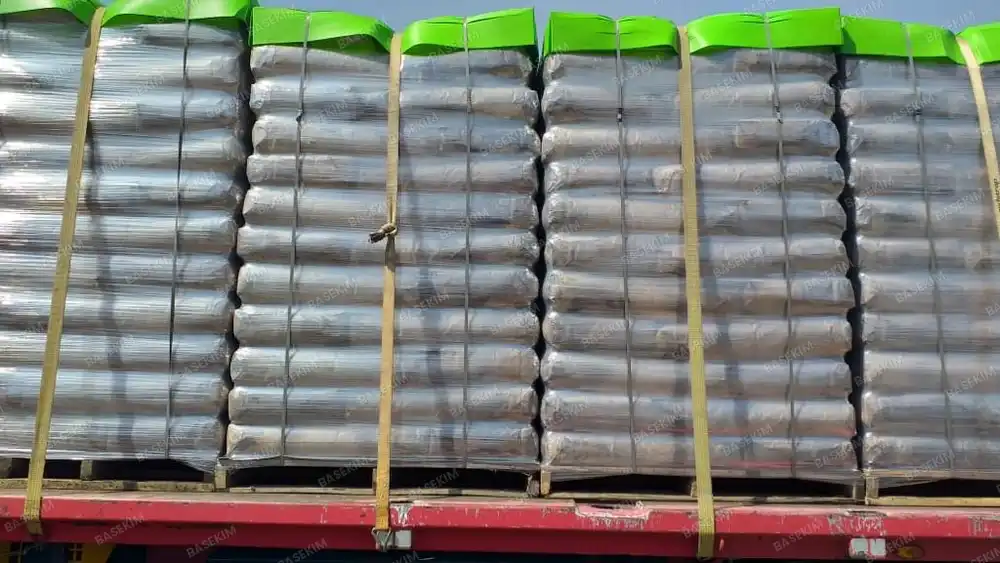
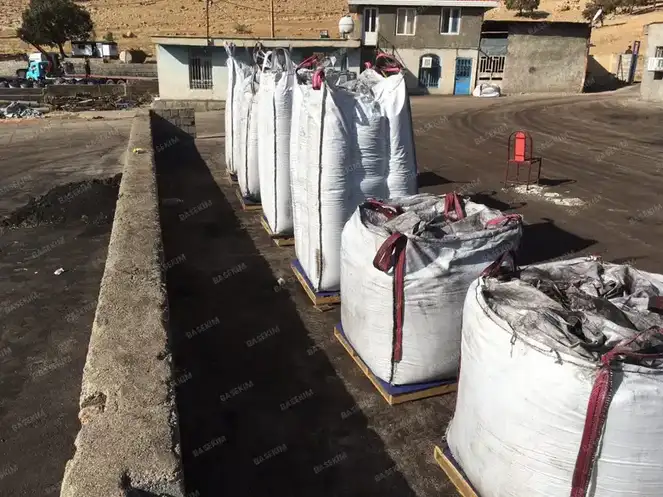
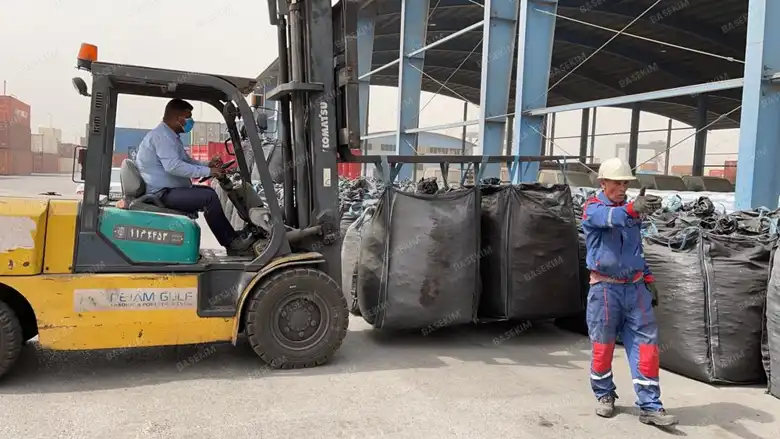
| Packing | 25 kg bags palletized; 1 MT jumbo bags for blending plants. | |
Typical values. The final specification is confirmed in the COA of each shipment.
Why add carbon to green sand? To create lustrous carbon and a reducing atmosphere that improves surface finish.…
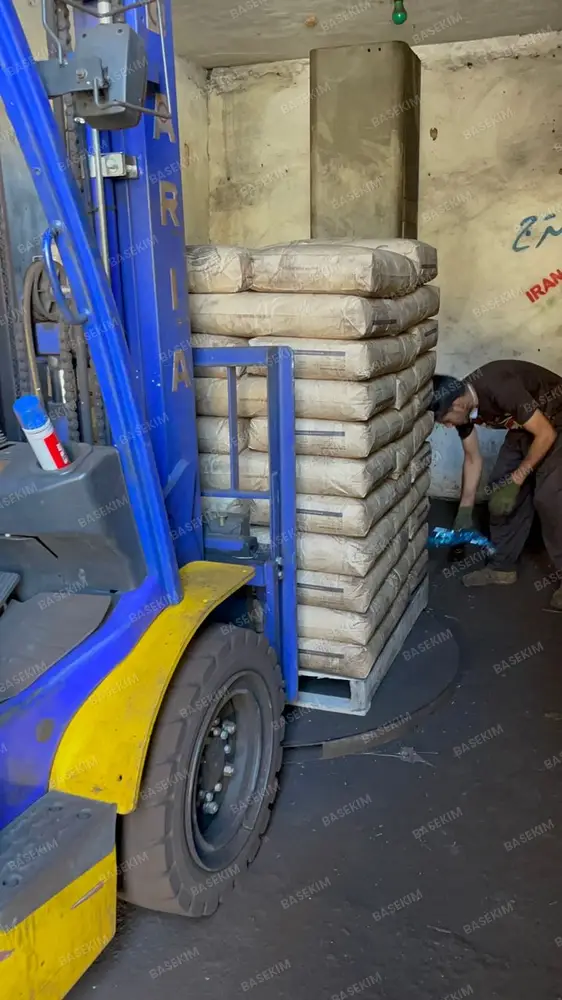
Copper alloys are cast at 1000–1200°C and are valued for their appearance. A clean surface reduces polishing. Small…
Veining appears as thin fins of metal on casting surfaces, usually on cores. It is caused by sand…

Switching carbon additives should be done step by step. Record current additive, dosage, LOI, volatiles, sand properties and…
Foundry margins are tight. The carbon additive is a small cost item but influences large costs downstream. Compare…
No-bake (self-setting) sands use resin binders instead of clay. Carbon additives are less common but can be useful.…
Get a quotation, samples and full documentation (TDS, MSDS, COA) within 24 hours.