
How to Run a Gilsonite Trial in Your Foundry

Switching carbon additives should be done step by step.
1. Baseline
Record current additive, dosage, LOI, volatiles, sand properties and casting quality.
2. Partial replacement
Replace 25–30% of the current additive with gilsonite. Run for several days.
3. Monitor
Track sand tests daily and inspect castings for surface finish and gas defects.
4. Increase replacement
Move to 50%, then 100% if results are good.
5. Optimize dosage
Reduce total additions until surface finish begins to change, then step back slightly.
6. Evaluate cost
Calculate total cost per tonne of good castings.
Data to record daily
| Data | Purpose |
|---|---|
| Additive additions (kg) | Consumption |
| LOI, volatiles | Carbon level |
| Moisture, compactability | Sand stability |
| Defect rate | Quality |
| Cleaning time | Productivity |
Decision rules
Move to the next replacement step only if quality is equal or better for several consecutive days.
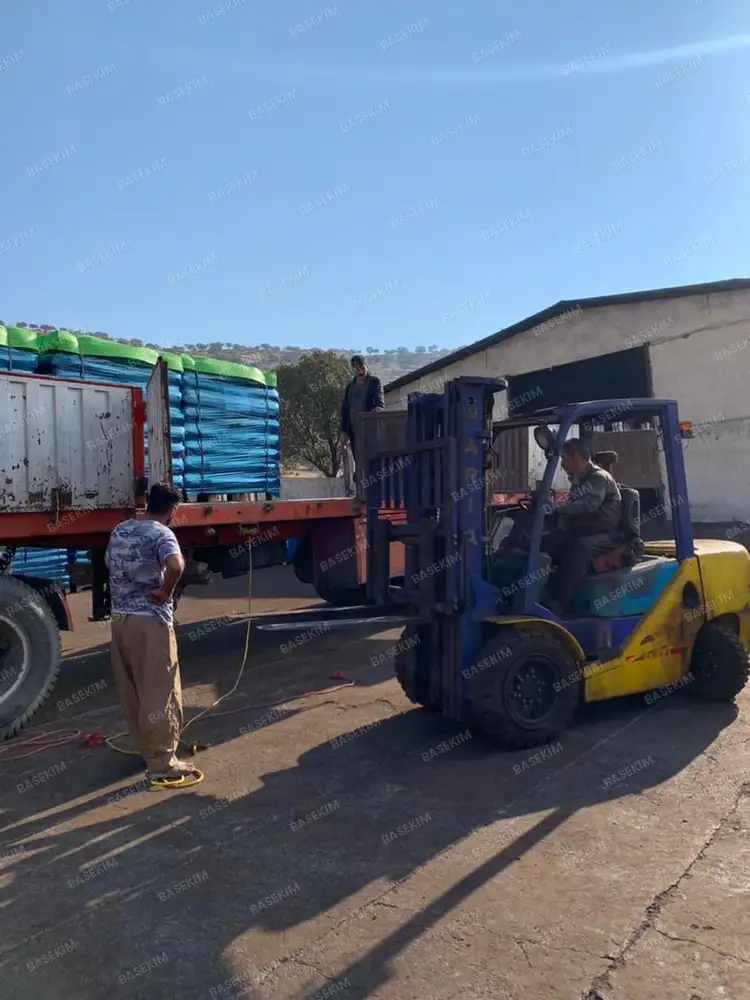
Request a trial quantity of foundry grade gilsonite. See dosage guide.
Recommended product
Foundry Grade Gilsonite
| Property | Typical value | Test method |
|---|---|---|
| Appearance | Black powder | Visual |
| Particle size | 100 – 300 mesh | Sieve |
| Volatile matter | 55 – 75 % | ASTM D3175 |
| Ash content, max | 5 % | ASTM D3174 |
| Moisture, max | 1 % | ASTM D95 |
| Softening point (R&B) | 150 – 200 °C | ASTM D36 |
| Typical dosage | 0.3 – 1.0 % (iron) | |
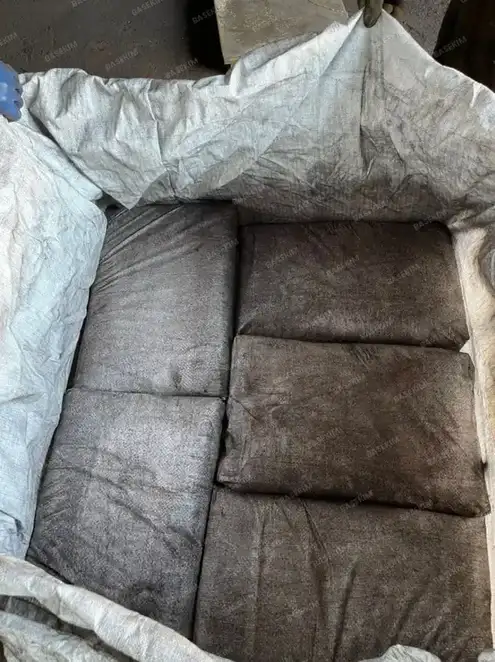
| Packing | 25 kg bags palletized; 1 MT jumbo bags for blending plants. | |
Typical values. The final specification is confirmed in the COA of each shipment.
Related articles

How to Improve Casting Surface Finish
A smooth as-cast surface reduces machining, grinding and blasting time. These are the main levers. Finer sand gives…
Sand System Control: Keeping Your Green Sand Stable
A stable sand system produces consistent castings. These are the key parameters to control. Add gilsonite in proportion…
Carbon Additives for Automotive Castings
Engine blocks, cylinder heads, brake drums and discs are high-volume, high-quality castings. Foundries serving the automotive industry need…