
Foundry Gilsonite Dosage Guide

The right dosage depends on the metal, casting size and sand system.
Typical ranges
| Casting type | Gilsonite dosage (by weight of sand) |
|---|---|
| Grey iron | 0.3–1.0% |
| Ductile iron | 0.4–1.0% |
| Steel | 0.5–1.5% (where carbon pick-up is acceptable) |
| Non-ferrous | 0.2–0.6% |
Factors
- Heavier castings need more additive.
- Higher pouring temperatures release more gas.
- Sand recycle rate affects how much new additive is needed.

Monitoring
Measure loss on ignition (LOI) and volatile content of the system sand regularly. Adjust additions to keep them stable.
Adding gilsonite
Add with bentonite and water at the muller. Pre-blended bentonite-carbon products are also common.
Calculating additions
The amount of new gilsonite needed depends on how much carbon is burned out each cycle and how much new sand and core sand enter the system. Many foundries add gilsonite in proportion to new sand and adjust weekly based on LOI.
Example
A foundry with a target LOI of 3.5 % finds LOI dropping to 3.0 %. It increases gilsonite additions in small steps until LOI returns to target, then holds.
Dosage by casting weight
| Casting weight | Typical tendency |
|---|---|
| Light (< 5 kg) | Lower dosage |
| Medium (5–50 kg) | Medium dosage |
| Heavy (> 50 kg) | Higher dosage or facing sand |
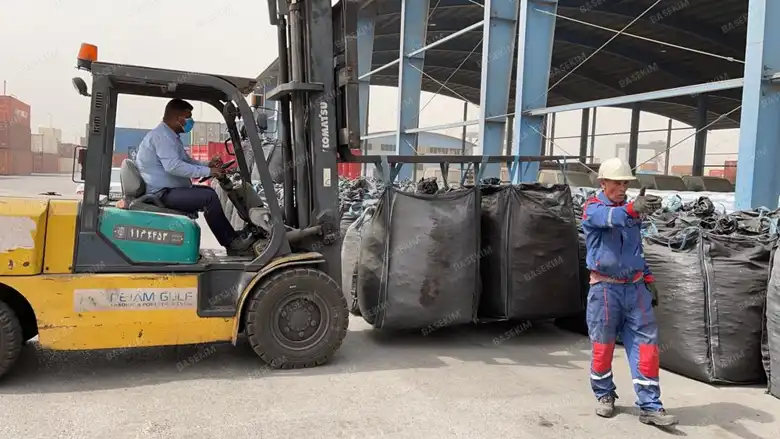
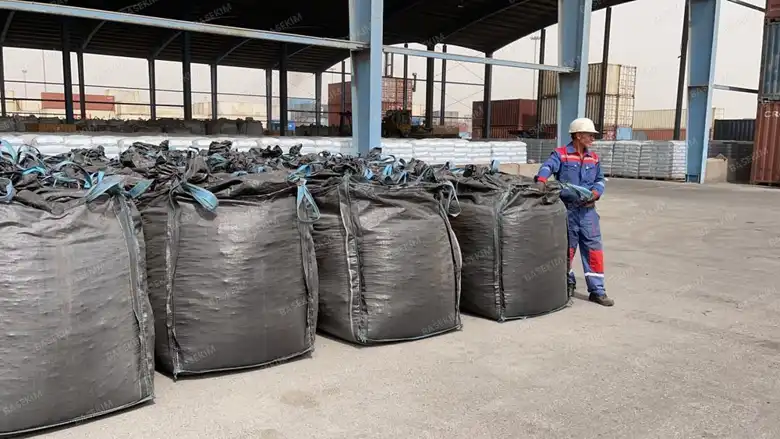
Order foundry grade gilsonite in 25 kg bags or jumbo bags. Read loss on ignition in green sand.
Recommended product
Foundry Grade Gilsonite
| Property | Typical value | Test method |
|---|---|---|
| Appearance | Black powder | Visual |
| Particle size | 100 – 300 mesh | Sieve |
| Volatile matter | 55 – 75 % | ASTM D3175 |
| Ash content, max | 5 % | ASTM D3174 |
| Moisture, max | 1 % | ASTM D95 |
| Softening point (R&B) | 150 – 200 °C | ASTM D36 |
| Typical dosage | 0.3 – 1.0 % (iron) | |
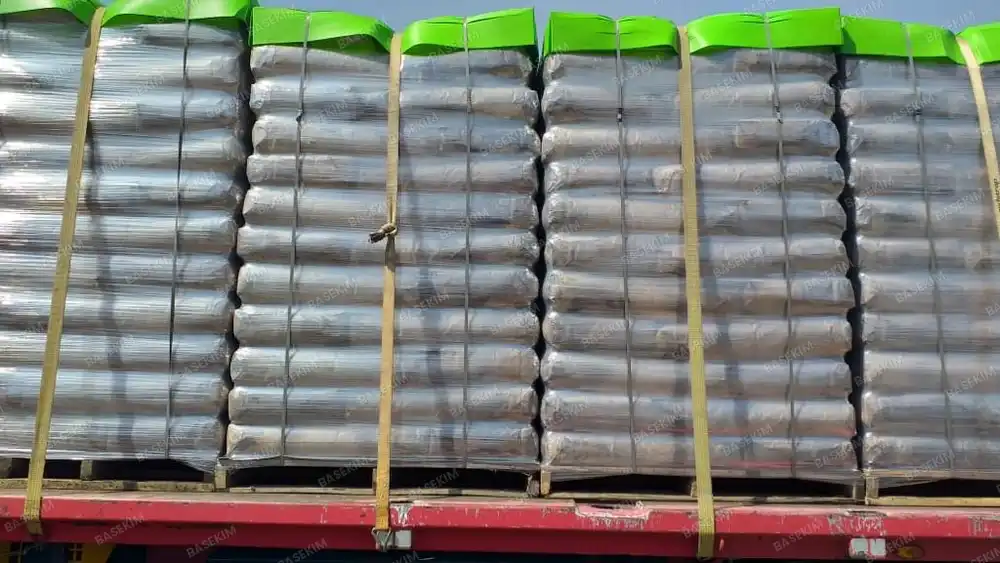
| Packing | 25 kg bags palletized; 1 MT jumbo bags for blending plants. | |
Typical values. The final specification is confirmed in the COA of each shipment.
Related articles
Lustrous Carbon Explained: Why It Matters for Castings
Lustrous carbon is a thin, shiny graphite-like film that forms on the mould surface when hydrocarbons crack at…
Can Gilsonite Be Used for Steel Castings?
Steel castings present different challenges from iron. Pouring temperatures are higher and carbon pick-up can be a concern.
Choosing Foundry Gilsonite Grades
Foundry gilsonite is offered in several particle sizes. Each suits a different need. For precision castings and fine…