
How to Improve Casting Surface Finish

A smooth as-cast surface reduces machining, grinding and blasting time. These are the main levers.
Sand grain size
Finer sand gives a smoother surface but lower permeability. Balance both.
Compaction
Higher, uniform mould hardness reduces metal penetration.

Carbon additives
Gilsonite creates a lustrous carbon layer that stops metal from wetting the sand. Correct dosage is key: too little causes burn-on, too much causes lustrous carbon defects.
Coatings
Refractory coatings on cores and heavy sections help prevent penetration.
Pouring temperature
Avoid unnecessary superheat; hotter metal penetrates sand more easily.
Monitoring
Track roughness, cleaning time and scrap rate to measure progress.
Measuring surface finish
Foundries use visual comparators, roughness gauges or cleaning time as practical indicators. Choose one method and track it consistently.
Improvement plan
| Step | Action |
|---|---|
| 1 | Record current roughness and cleaning time |
| 2 | Check carbon additive level and LOI |
| 3 | Check sand fineness and compaction |
| 4 | Adjust one factor at a time |
| 5 | Confirm results over several days |
Quick wins
Restoring carbon additive levels and improving mould hardness often give the fastest visible improvement.
See foundry grade gilsonite and reducing burn-on and penetration.
Recommended product
Foundry Grade Gilsonite
| Property | Typical value | Test method |
|---|---|---|
| Appearance | Black powder | Visual |
| Particle size | 100 – 300 mesh | Sieve |
| Volatile matter | 55 – 75 % | ASTM D3175 |
| Ash content, max | 5 % | ASTM D3174 |
| Moisture, max | 1 % | ASTM D95 |
| Softening point (R&B) | 150 – 200 °C | ASTM D36 |
| Typical dosage | 0.3 – 1.0 % (iron) | |
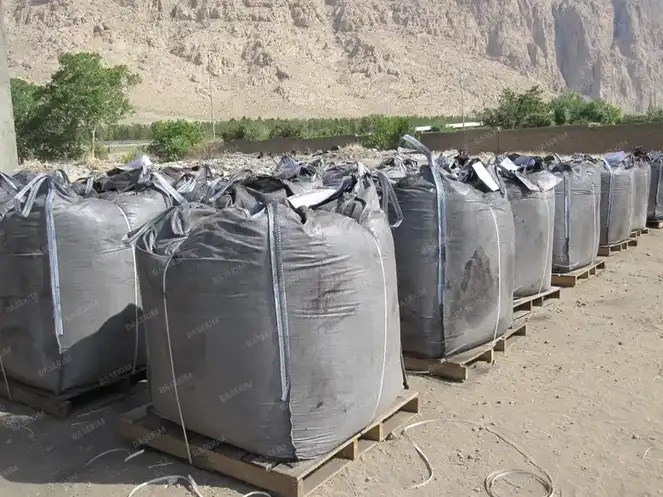
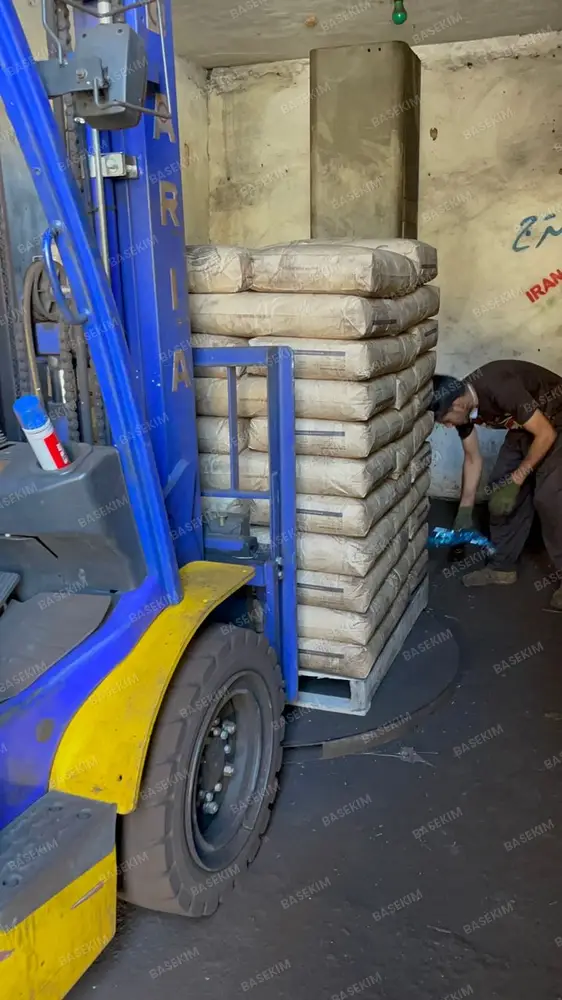
| Packing | 25 kg bags palletized; 1 MT jumbo bags for blending plants. | |
Typical values. The final specification is confirmed in the COA of each shipment.
Related articles

How to Run a Gilsonite Trial in Your Foundry
Switching carbon additives should be done step by step. Record current additive, dosage, LOI, volatiles, sand properties and…
Formulating Facing Sand with Gilsonite
Facing sand is a richer sand mixture placed directly against the pattern to give a better casting surface.…
Brass and Bronze Casting: Getting a Better Surface
Copper alloys are cast at 1000–1200°C and are valued for their appearance. A clean surface reduces polishing. Small…