
Formulating Facing Sand with Gilsonite
Translate this article:
Facing sand is a richer sand mixture placed directly against the pattern to give a better casting surface.
Typical components
- New silica sand or fine sand
- Bentonite
- Higher level of carbon additive (gilsonite)
- Water
Benefits
- Superior surface finish where it matters
- Reduced overall additive use compared with enriching the whole system

Tips
- Keep facing sand thickness consistent
- Ensure good bonding to backing sand
- Monitor gas evolution on thin sections
Example facing sand mix
| Component | Typical share |
|---|---|
| New fine silica sand | 50–70 % |
| System sand | 20–40 % |
| Bentonite | 6–8 % |
| Gilsonite | 0.8–1.5 % |
| Water | to compactability |
Application
Ram or squeeze facing sand against the pattern in a 20–50 mm layer, then fill with backing sand.
When to use
Large castings, critical surfaces or customers with strict surface roughness requirements.
Recommended product
Data sheet
Foundry Grade Gilsonite
| Property | Typical value | Test method |
|---|---|---|
| Appearance | Black powder | Visual |
| Particle size | 100 – 300 mesh | Sieve |
| Volatile matter | 55 – 75 % | ASTM D3175 |
| Ash content, max | 5 % | ASTM D3174 |
| Moisture, max | 1 % | ASTM D95 |
| Softening point (R&B) | 150 – 200 °C | ASTM D36 |
| Typical dosage | 0.3 – 1.0 % (iron) | |
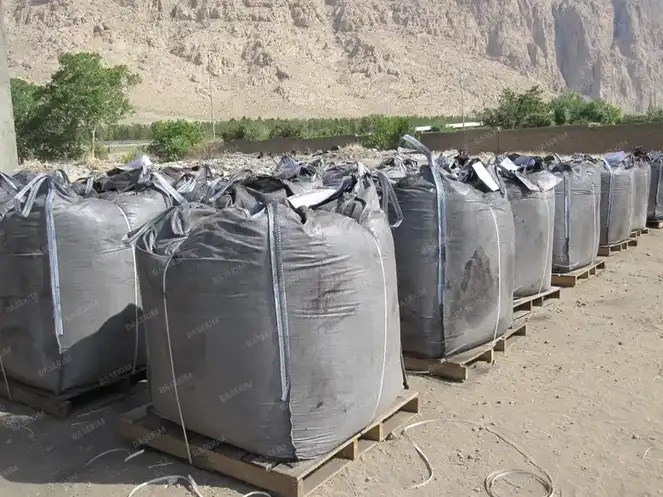
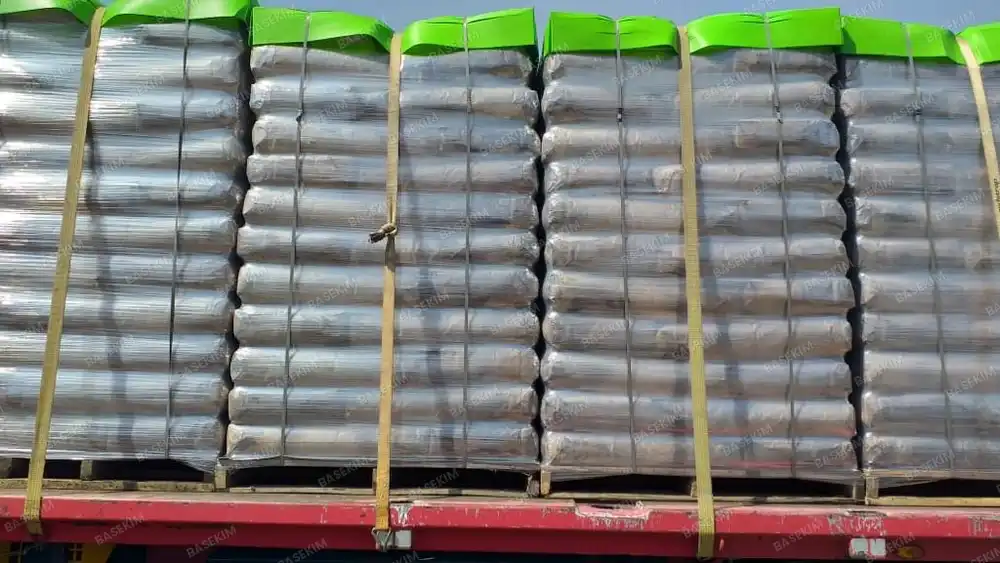
| Packing | 25 kg bags palletized; 1 MT jumbo bags for blending plants. | |
Typical values. The final specification is confirmed in the COA of each shipment.
Related articles

Casting
Better Shake-Out with Carbon Additives
Shake-out is where castings are separated from their moulds. Sand that sticks to castings slows production and increases…
Casting
Veining Defects and the Role of Additives
Veining appears as thin fins of metal on casting surfaces, usually on cores. It is caused by sand…
Casting
Sand System Control: Keeping Your Green Sand Stable
A stable sand system produces consistent castings. These are the key parameters to control. Add gilsonite in proportion…