
Better Shake-Out with Carbon Additives

Shake-out is where castings are separated from their moulds. Sand that sticks to castings slows production and increases cleaning costs.
Why sand sticks
Metal penetration, sintered sand and burnt-on clay cause sand to adhere.
How gilsonite helps
The lustrous carbon layer acts as a release film. Gas pressure from volatile matter also helps keep sand away from the metal surface.
Other factors
- Correct clay and moisture levels
- Adequate cooling time before shake-out
- Proper sand system temperature
Results
Faster shake-out, cleaner castings and less wear on blasting equipment.
Signs of poor shake-out
- Sand lumps stuck in cavities
- Long blasting times
- Damaged castings from extra knocking
Contributing factors
| Factor | Effect on shake-out |
|---|---|
| Carbon additive level | Lustrous carbon aids release |
| Clay burn-out | Affects sand strength after casting |
| Cooling time | Too short or too long both cause problems |
Practical advice
Keep carbon additive levels stable and avoid letting castings cool too long in the mould where sand can sinter.
See foundry grade gilsonite. Related: green sand casting guide.
Recommended product
Foundry Grade Gilsonite
| Property | Typical value | Test method |
|---|---|---|
| Appearance | Black powder | Visual |
| Particle size | 100 – 300 mesh | Sieve |
| Volatile matter | 55 – 75 % | ASTM D3175 |
| Ash content, max | 5 % | ASTM D3174 |
| Moisture, max | 1 % | ASTM D95 |
| Softening point (R&B) | 150 – 200 °C | ASTM D36 |
| Typical dosage | 0.3 – 1.0 % (iron) | |
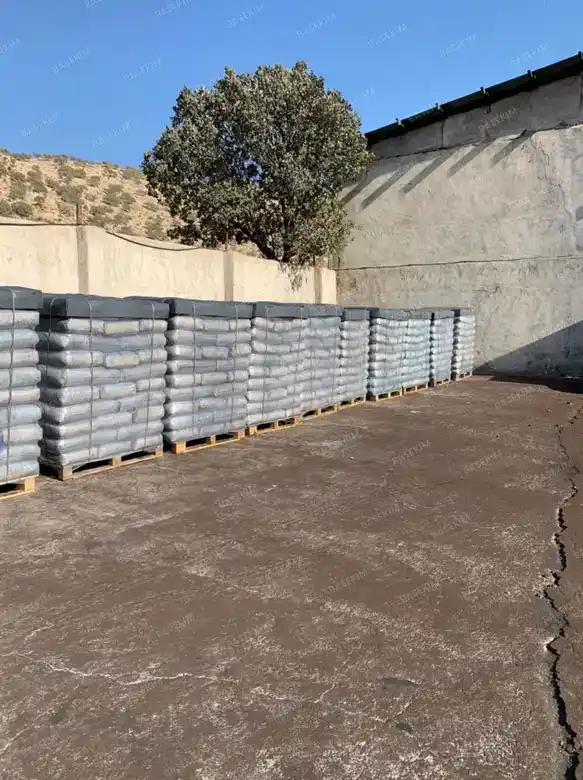
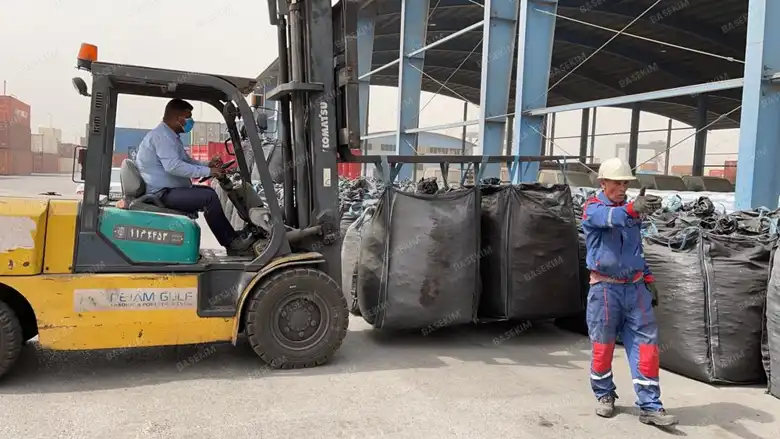
| Packing | 25 kg bags palletized; 1 MT jumbo bags for blending plants. | |
Typical values. The final specification is confirmed in the COA of each shipment.
Related articles
Carbon Additives in No-Bake and Chemically Bonded Sands
No-bake (self-setting) sands use resin binders instead of clay. Carbon additives are less common but can be useful.…

Green Sand Casting Step by Step and the Role of Gilsonite
Green sand casting is the most widely used metal casting method in the world. "Green" means the sand…
Brass and Bronze Casting: Getting a Better Surface
Copper alloys are cast at 1000–1200°C and are valued for their appearance. A clean surface reduces polishing. Small…