
Green Sand Casting Step by Step and the Role of Gilsonite

Green sand casting is the most widely used metal casting method in the world. “Green” means the sand is moist, not that it is coloured. Here is how the process works and where gilsonite fits.
1. Sand preparation
Silica sand is mixed in a muller with bentonite clay, water and a carbonaceous additive such as gilsonite. The mixture must have the right moisture, strength and permeability.
2. Moulding
Sand is compacted around a pattern in a two-part flask (cope and drag). The pattern is removed, leaving a cavity in the shape of the part.

3. Cores
If the part has internal cavities, sand cores are placed in the mould.
4. Pouring
Molten metal is poured into the mould through a gating system. At this moment gilsonite releases gases and forms lustrous carbon, protecting the sand surface.
5. Cooling and shake-out
After solidification, the mould is broken on a shake-out grid. Good carbon additives make the sand fall away cleanly.
6. Cleaning and finishing
Gates and risers are removed, and the casting is shot-blasted and ground.
7. Sand reclamation
Most sand is cooled, screened and returned to the muller with fresh additives.
Typical green sand composition
| Component | Typical share |
|---|---|
| Silica sand | 85–90 % |
| Bentonite clay | 6–10 % |
| Water | 2–4 % |
| Carbonaceous additive | 0.3–1 % (gilsonite) to 2–6 % (sea coal) |
Why green sand is popular
It is reusable, fast and inexpensive, and suits high-volume production of iron castings from small parts to large housings.
Where problems usually start
Most green sand defects trace back to sand control: moisture, clay activity, compactability and carbon level. A stable sand system is the foundation of good castings.
Our foundry grade gilsonite improves surface finish and shake-out. Read gilsonite in foundry sand.
Recommended product
Foundry Grade Gilsonite
| Property | Typical value | Test method |
|---|---|---|
| Appearance | Black powder | Visual |
| Particle size | 100 – 300 mesh | Sieve |
| Volatile matter | 55 – 75 % | ASTM D3175 |
| Ash content, max | 5 % | ASTM D3174 |
| Moisture, max | 1 % | ASTM D95 |
| Softening point (R&B) | 150 – 200 °C | ASTM D36 |
| Typical dosage | 0.3 – 1.0 % (iron) | |
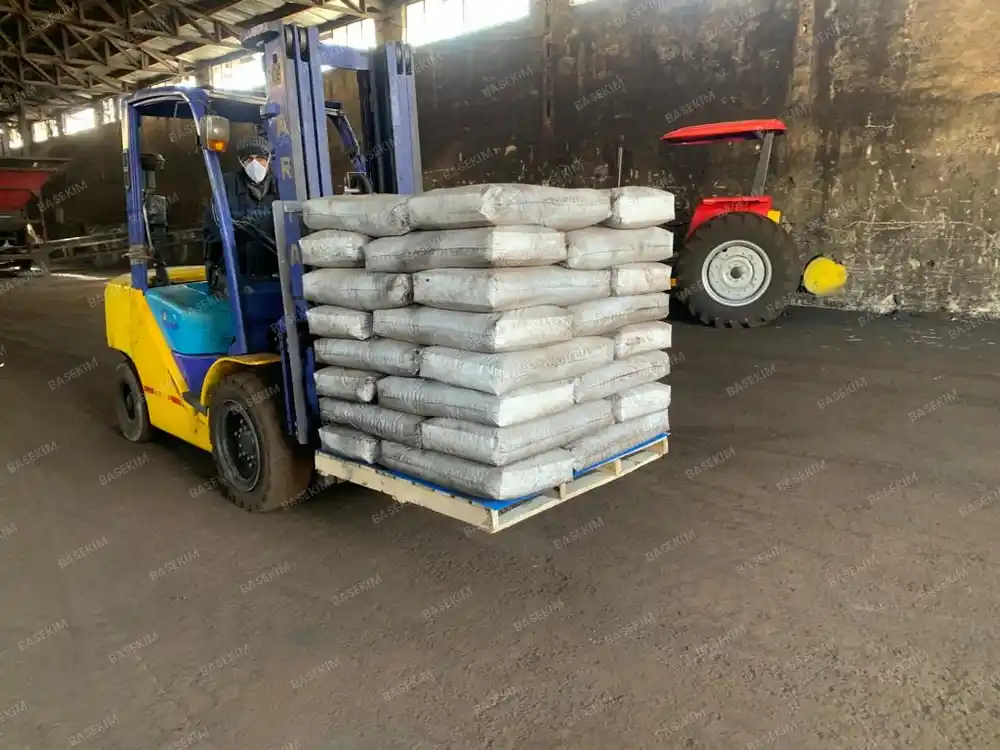
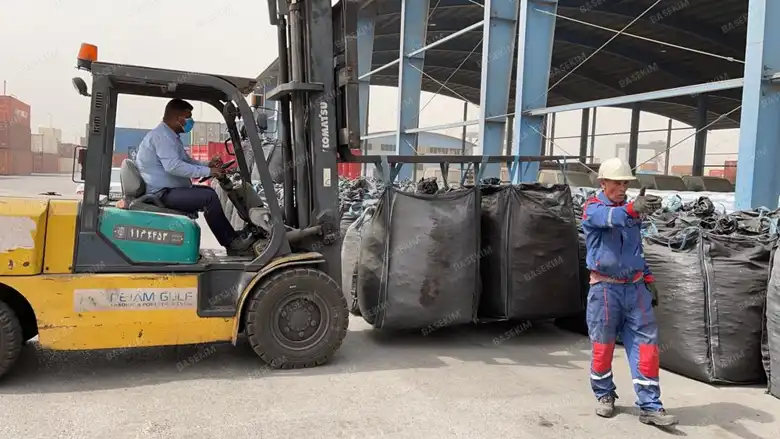
| Packing | 25 kg bags palletized; 1 MT jumbo bags for blending plants. | |
Typical values. The final specification is confirmed in the COA of each shipment.
Related articles
Gas Porosity in Castings: Causes and Additive Control
Gas porosity — blowholes and pinholes — is one of the most common casting defects. Carbon additives can…
Carbon Additives in No-Bake and Chemically Bonded Sands
No-bake (self-setting) sands use resin binders instead of clay. Carbon additives are less common but can be useful.…

How to Run a Gilsonite Trial in Your Foundry
Switching carbon additives should be done step by step. Record current additive, dosage, LOI, volatiles, sand properties and…