
Gas Porosity in Castings: Causes and Additive Control
Translate this article:
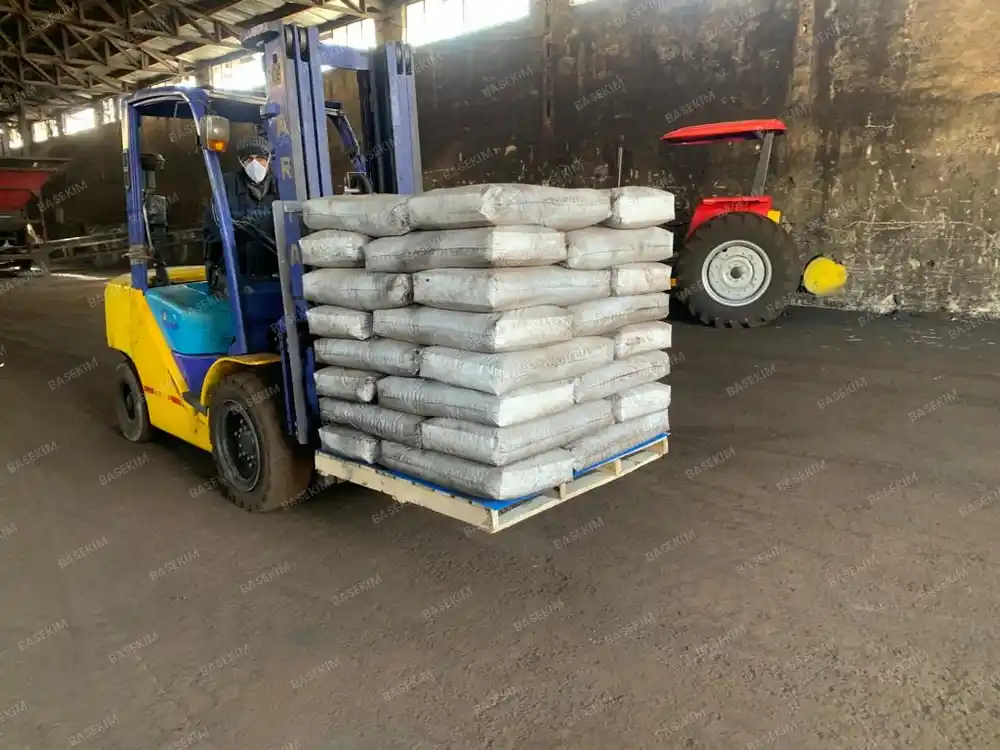
Gas porosity — blowholes and pinholes — is one of the most common casting defects. Carbon additives can contribute if not controlled.
Sources of gas
- Moisture in sand
- Volatile matter from additives and binders
- Dissolved gases in the metal
Carbon additive role
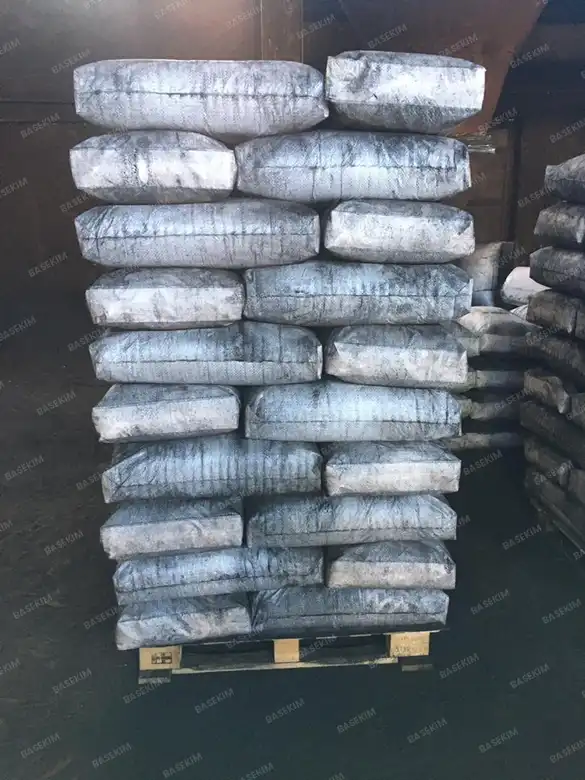
Gilsonite releases gas by design. In the right amount, it helps the surface; in excess, gas can enter the metal.
Control measures
- Measure LOI and volatile content regularly
- Keep moisture and compactability on target
- Ensure adequate mould permeability and venting
- Avoid overdosing new additive
Distinguishing gas defects
| Defect | Appearance | Likely source |
|---|---|---|
| Blowholes | Smooth, rounded cavities near surface | Mould or core gas |
| Pinholes | Small holes just under the skin | Hydrogen or nitrogen |
| Shrinkage | Rough, dendritic cavities | Solidification, not gas |
Additive-related checks
- Compare LOI and volatiles with target.
- Check if new additions were recently increased.
- Review moisture and permeability.
See foundry grade gilsonite and loss on ignition.
Recommended product
Data sheet
Foundry Grade Gilsonite
| Property | Typical value | Test method |
|---|---|---|
| Appearance | Black powder | Visual |
| Particle size | 100 – 300 mesh | Sieve |
| Volatile matter | 55 – 75 % | ASTM D3175 |
| Ash content, max | 5 % | ASTM D3174 |
| Moisture, max | 1 % | ASTM D95 |
| Softening point (R&B) | 150 – 200 °C | ASTM D36 |
| Typical dosage | 0.3 – 1.0 % (iron) | |
| Packing | 25 kg bags palletized; 1 MT jumbo bags for blending plants. | |
Typical values. The final specification is confirmed in the COA of each shipment.
Related articles
Casting
Veining Defects and the Role of Additives
Veining appears as thin fins of metal on casting surfaces, usually on cores. It is caused by sand…
Casting
Carbon Additives in No-Bake and Chemically Bonded Sands
No-bake (self-setting) sands use resin binders instead of clay. Carbon additives are less common but can be useful.…
Casting
Carbon Additives for Automotive Castings
Engine blocks, cylinder heads, brake drums and discs are high-volume, high-quality castings. Foundries serving the automotive industry need…