
Reducing Casting Costs with Better Carbon Additives
Foundry margins are tight. The carbon additive is a small cost item but influences large costs downstream.
Where costs arise
- Cleaning and grinding time
- Scrap and rework
- Sand consumption
- Additive consumption
How gilsonite helps
- Lower dosage than traditional additives
- Better surface finish reduces cleaning time
- Lower ash reduces fines and sand discard

Calculating savings
Compare total cost per tonne of good castings, not just additive price.
Example cost view
| Cost item | Effect of better additive |
|---|---|
| Additive purchase | Lower kg per tonne of sand |
| Cleaning / fettling | Less time per casting |
| Scrap | Fewer surface defects |
| Sand discard | Less dead material |
Measuring
Calculate cost per tonne of good castings before and after the change over at least one month of production.
See foundry grade gilsonite. Related: gilsonite vs. sea coal.
Recommended product
Foundry Grade Gilsonite
| Property | Typical value | Test method |
|---|---|---|
| Appearance | Black powder | Visual |
| Particle size | 100 – 300 mesh | Sieve |
| Volatile matter | 55 – 75 % | ASTM D3175 |
| Ash content, max | 5 % | ASTM D3174 |
| Moisture, max | 1 % | ASTM D95 |
| Softening point (R&B) | 150 – 200 °C | ASTM D36 |
| Typical dosage | 0.3 – 1.0 % (iron) | |
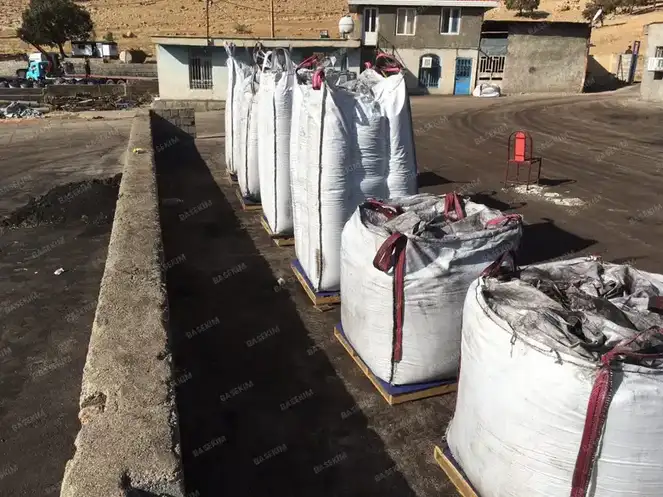
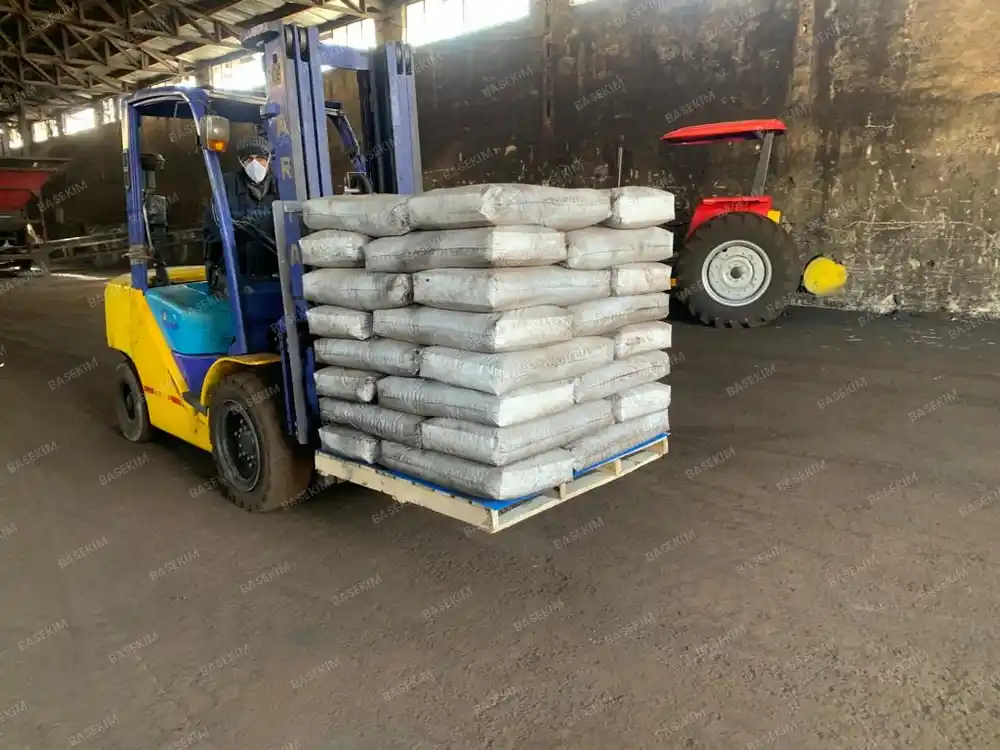
| Packing | 25 kg bags palletized; 1 MT jumbo bags for blending plants. | |
Typical values. The final specification is confirmed in the COA of each shipment.
Related articles

Better Shake-Out with Carbon Additives
Shake-out is where castings are separated from their moulds. Sand that sticks to castings slows production and increases…
Gas Porosity in Castings: Causes and Additive Control
Gas porosity — blowholes and pinholes — is one of the most common casting defects. Carbon additives can…

How to Run a Gilsonite Trial in Your Foundry
Switching carbon additives should be done step by step. Record current additive, dosage, LOI, volatiles, sand properties and…