
Gilsonite vs. Bitumen: Key Differences Explained
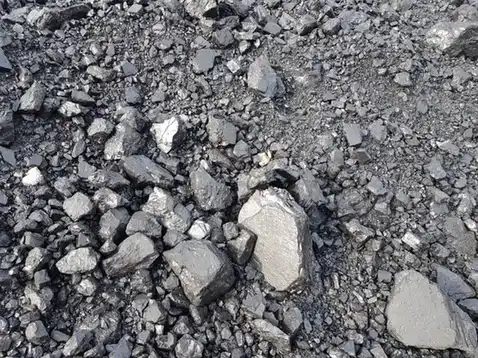
Gilsonite and bitumen are both hydrocarbon binders, and both are sometimes called “asphalt”. Yet they behave very differently, and understanding the difference helps buyers choose the right product.
Origin
- Bitumen is produced in refineries from the heaviest fraction of crude oil.
- Gilsonite is a natural solid hydrocarbon mined from veins in the ground.
Physical state
At 25°C, penetration grade bitumen such as 60/70 is a semi-solid that a standard needle penetrates by 6–7 mm. Gilsonite is a hard, brittle solid with penetration below 1 dmm — so hard that it can be ground into powder.
Softening point
Bitumen 60/70 softens at about 49–56°C. Gilsonite softens at 150–220°C. This big gap explains why adding a few percent of gilsonite to bitumen raises its softening point and stiffness.
Typical comparison
| Property | Gilsonite | Bitumen 60/70 |
|---|---|---|
| Origin | Natural, mined | Refined from crude |
| State at 25°C | Hard solid | Semi-solid |
| Softening point | 150–220°C | 49–56°C |
| Penetration | < 1 dmm | 60–70 dmm |
| Can be powdered | Yes | No |
| Main role | Additive / modifier | Main binder |
Complementary, not competing
Gilsonite is rarely a replacement for bitumen. Instead it is a modifier that upgrades bitumen. In paving it improves rutting resistance; in roofing and waterproofing it increases hardness and durability; in coatings it adds gloss and chemical resistance. See how this works in practice in how gilsonite modifies asphalt binder.
Which should you buy?
If you need a main binder, buy bitumen. If you need to make a binder harder, more temperature-resistant or more adhesive — or you need a powdered hydrocarbon for drilling, foundry or inks — gilsonite powder is the right choice.
Recommended product
Gilsonite Powder
| Property | Typical value | Test method |
|---|---|---|
| Appearance | Black to dark brown powder | Visual |
| Particle size | 100 – 200 mesh | Sieve |
| Softening point (R&B) | 150 – 220 °C | ASTM D36 |
| Ash content, max | 5 % | ASTM D3174 |
| Moisture, max | 1 % | ASTM D95 |
| Volatile matter | 55 – 75 % | ASTM D3175 |
| Solubility in toluene, min | 99 % | ASTM D2042 |
| Specific gravity @ 25°C | 1.04 – 1.10 | ASTM D70 |
| Typical dosage | Drilling 2–8 lb/bbl · asphalt 4–12 % of binder · foundry 0.3–1.0 % | |
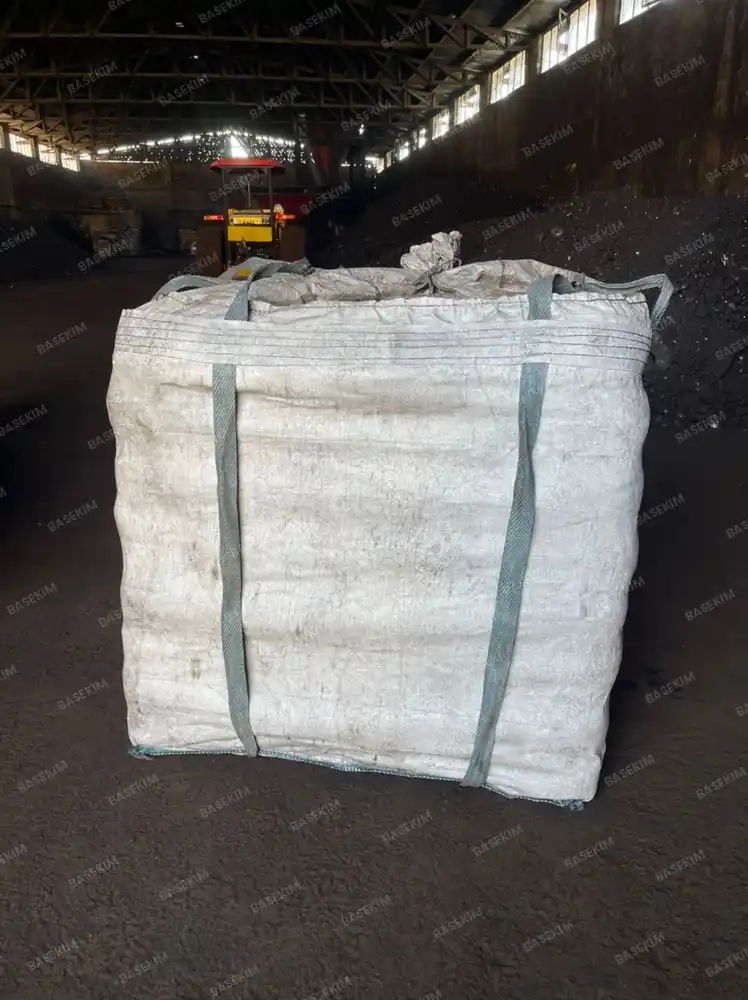
| Packing | 25 kg multi-wall paper or PP bags, palletized and stretch-wrapped; 1 MT jumbo bags. | |
Typical values. The final specification is confirmed in the COA of each shipment.
Related articles

Understanding Mesh Sizes for Gilsonite Powder
"200 mesh" and "600 mesh" appear on almost every gilsonite specification. Here is what these numbers mean and…
How Gilsonite Is Mined and Processed
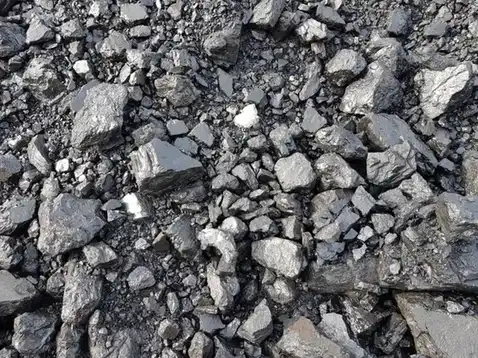
Gilsonite occurs in narrow vertical veins that cut through surrounding rock. These veins can be a few centimetres…

Gilsonite Packing Options for Export
How gilsonite is packed affects cost, handling and product protection. These are the most common options. The standard…