
Filtering Gilsonite Varnish for Clean Inks
Translate this article:

Even low-ash gilsonite contains small insoluble particles. Filtration is essential.
Methods
- Bag filters (25–50 µm)
- Cartridge filters for fine polishing
- Settling tanks for coarse removal
Tips
- Filter while hot for lower viscosity
- Change filters regularly
- Inspect samples on a grindometer
Filter selection
| Stage | Filter rating |
|---|---|
| Coarse | 100 µm bag |
| Standard | 25–50 µm bag |
| Polishing | 10 µm cartridge |
Good practice
- Pre-heat filter housings to avoid cooling the varnish.
- Monitor pressure drop; change filters before they blind.
- Keep filter residue records – rising residue can indicate a raw material issue.
Safety
Hot varnish and solvents require heat-resistant gloves and proper ventilation.
See ink grade gilsonite. Related: making ink varnish.
Recommended product
Data sheet
Ink & Paint Grade Gilsonite
| Property | Typical value | Test method |
|---|---|---|
| Appearance | Dark brown–black powder | Visual |
| Softening point (R&B) | 150 – 180 °C | ASTM D36 |
| Ash content, max | 3 % | ASTM D3174 |
| Moisture, max | 1 % | ASTM D95 |
| Solubility in toluene, min | 99 % | ASTM D2042 |
| Particle size | 200 – 600 mesh | Sieve |
| Typical dosage | Ink varnish: 20–40 % in oil | |
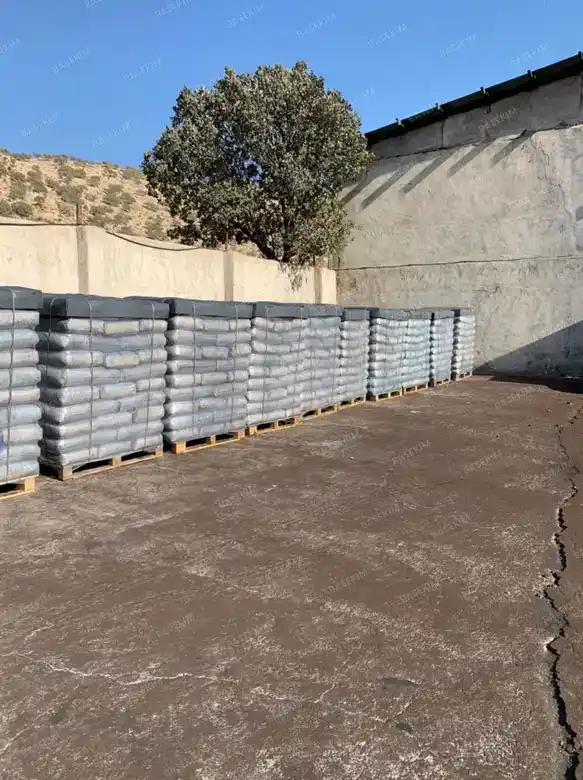
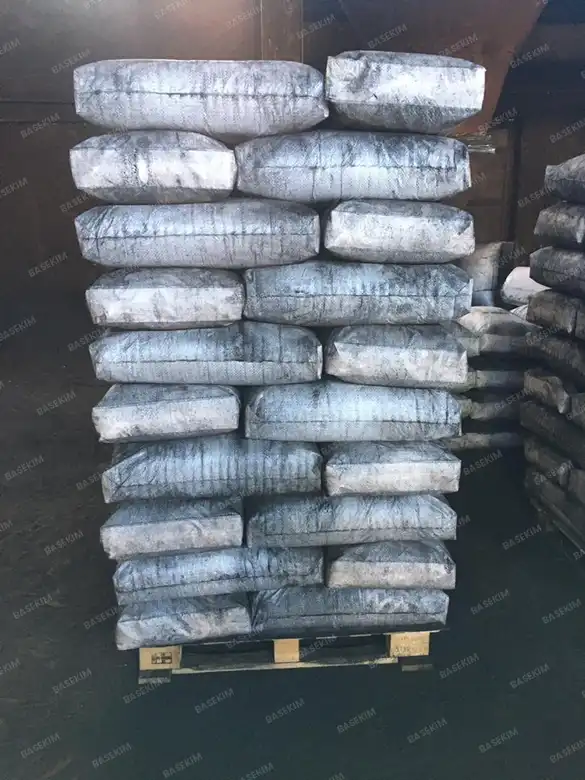
| Packing | 25 kg paper bags with PE liner, palletized. | |
Typical values. The final specification is confirmed in the COA of each shipment.
Related articles

Ink
Gilsonite in Flexographic and Gravure Inks
Solvent-based flexo and gravure inks for packaging sometimes use gilsonite in black shades. Dissolve gilsonite in the solvent…
Ink
Ink–Water Balance in Offset Printing and Gilsonite
In offset lithography, ink and fountain solution must coexist on the plate. Gilsonite affects emulsification. Too much water…

Ink
Improving Ink Runability and Reducing Misting
High-speed presses throw ink mist and demand stable ink behaviour on rollers. Gilsonite varnish adds body and improves…