
Making Gilsonite Varnish for Paints
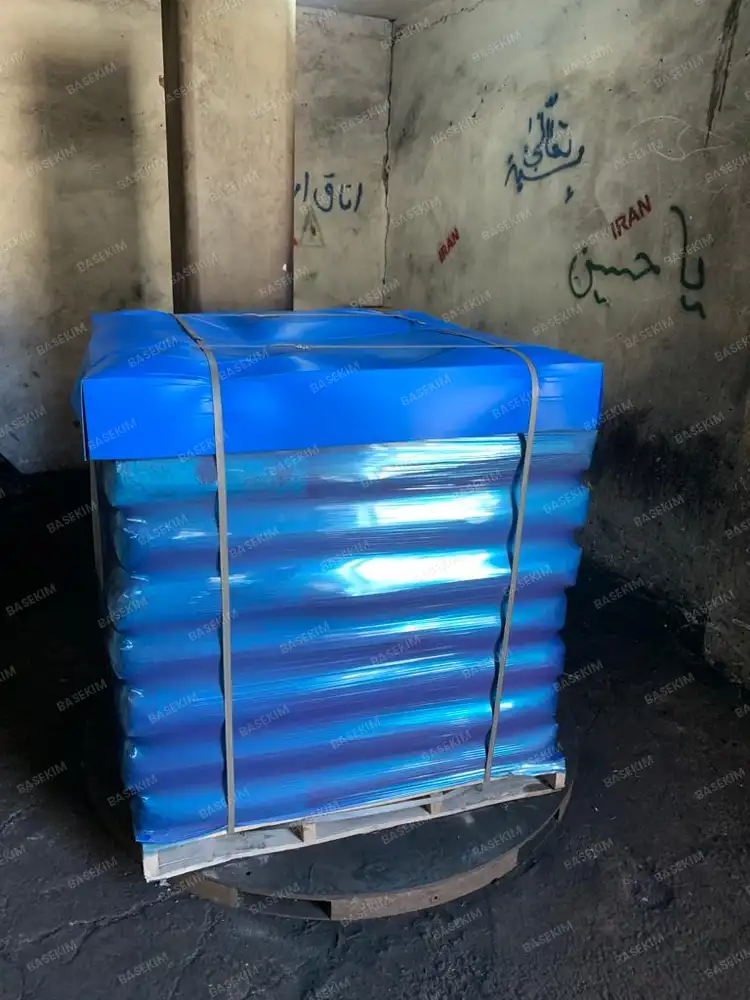
A gilsonite varnish simplifies paint production.
Steps
- Charge solvent or oil into a stirred tank.
- Heat if using oils (150–200°C) or keep cool for solvents with good ventilation.
- Add gilsonite slowly.
- Mix until fully dissolved.
- Filter.
Typical concentration
30–50% solids in solvent.

Uses
The varnish can be blended with alkyds, oils and pigments to make finished paints.
Choosing concentration
| Use | Typical concentration |
|---|---|
| Thin stains | 10–20 % |
| General paint varnish | 30–50 % |
| Heavy coatings | 50–60 % |
Process control
- Add gilsonite slowly to avoid lumps.
- Keep temperature controlled when using oils.
- Measure viscosity at a fixed temperature.
Filtering
Filter through 50–100 µm bags to remove insoluble ash and grit.
Storage
Store in closed containers; stir before use if any settling occurs.
See paint grade gilsonite and solubility guide.
Recommended product
Ink & Paint Grade Gilsonite
| Property | Typical value | Test method |
|---|---|---|
| Appearance | Dark brown–black powder | Visual |
| Softening point (R&B) | 150 – 180 °C | ASTM D36 |
| Ash content, max | 3 % | ASTM D3174 |
| Moisture, max | 1 % | ASTM D95 |
| Solubility in toluene, min | 99 % | ASTM D2042 |
| Particle size | 200 – 600 mesh | Sieve |
| Typical dosage | Ink varnish: 20–40 % in oil | |
| Packing | 25 kg paper bags with PE liner, palletized. | |
Typical values. The final specification is confirmed in the COA of each shipment.
Related articles
Gilsonite in Marine and Ship Coatings
Bituminous coatings have long been used on ship hulls, ballast tanks and marine structures. Modern specifications often require…

Heat-Resistant Black Coatings with Gilsonite
Gilsonite's high softening point helps black coatings resist softening in hot conditions. For very high temperatures, silicone-based coatings…

Gilsonite in Anti-Corrosion Primers
Protecting steel from corrosion requires coatings that resist water and ions. Gilsonite adds barrier properties. Gilsonite is hydrophobic…