
Gilsonite Crack Fillers for Asphalt and Concrete
Translate this article:

Sealing cracks keeps water out of the pavement structure and slows deterioration.
Crack filler vs. crack sealant
- Fillers: placed in non-working cracks, often stiffer
- Sealants: elastic materials for working cracks that move with temperature
Gilsonite’s role
Adds hardness, tack-free surface and resistance to tracking in hot weather.
Application
- Clean and dry cracks (air blow or rout)
- Heat filler as specified
- Fill cracks flush or slightly overbanded
- Allow to cool
Choosing the right material
| Crack width | Typical treatment |
|---|---|
| < 3 mm | Surface sealer or fog seal |
| 3–20 mm | Crack sealant or filler |
| > 20 mm | Patch with asphalt mix |
Hot-pour vs. cold-pour
- Hot-pour fillers are melted in a kettle and give the most durable result.
- Cold-pour fillers are convenient for small jobs and maintenance crews.
Role of gilsonite
Gilsonite increases hardness and softening point, so the filler does not soften and track in summer heat, and leaves a firm, non-tacky surface.
Common mistakes
- Filling wet or dirty cracks – the filler will not bond.
- Overfilling far beyond the crack – it can be picked up by tyres.
- Sealing in very hot weather when cracks are at their narrowest.
Recommended product
Data sheet
Sealer & Filler Grade Gilsonite
| Property | Typical value | Test method |
|---|---|---|
| Appearance | Black powder | Visual |
| Softening point (R&B) | 150 – 180 °C | ASTM D36 |
| Ash content, max | 5 % | ASTM D3174 |
| Moisture, max | 1 % | ASTM D95 |
| Solubility in toluene, min | 98 % | ASTM D2042 |
| Particle size | ≤ 200 mesh | Sieve |
| Typical dosage | Sealer: 15 – 35 % | |
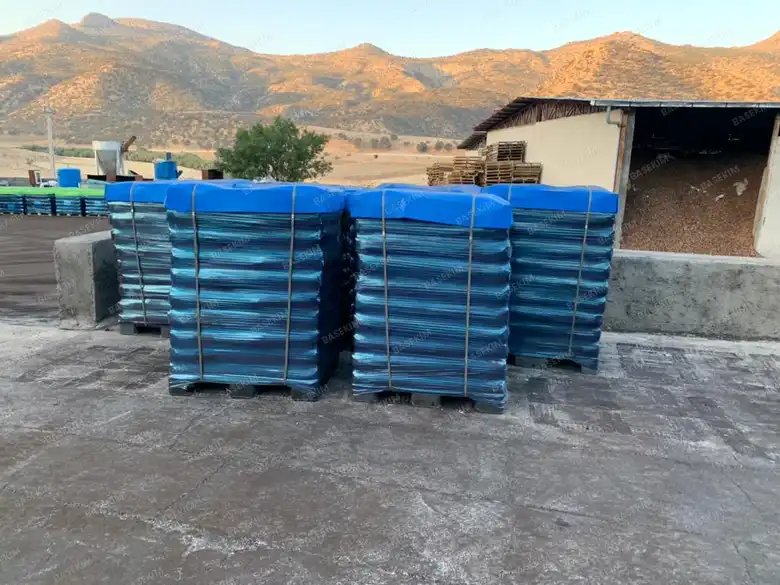
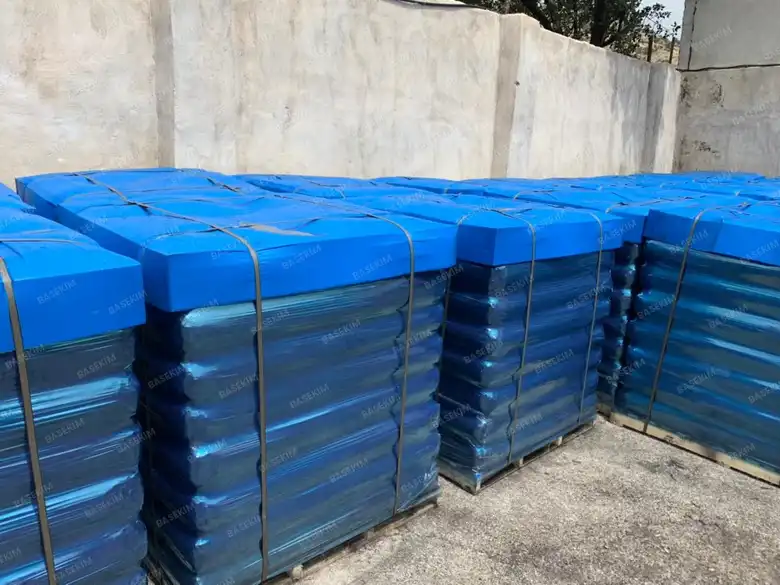
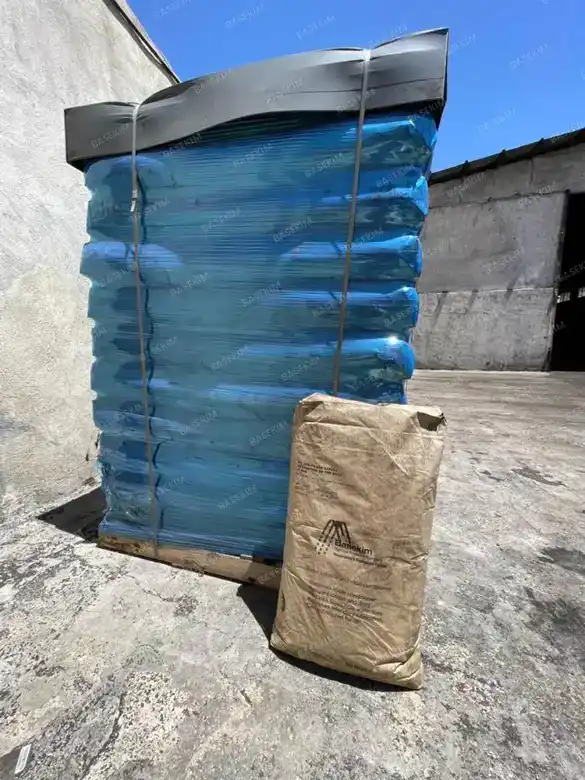
| Packing | 25 kg bags palletized. | |
Typical values. The final specification is confirmed in the COA of each shipment.
Related articles

Sealer & Filler
Safety and Environmental Notes for Sealers
Many regions restrict VOC content and ban certain sealer types. Check local rules before selecting a product. Store…
Sealer & Filler
Rejuvenating Aged Asphalt Surfaces
Asphalt oxidizes and becomes brittle and grey over time. Treat early, before cracking becomes extensive. Oxygen and UV…
Sealer & Filler
Sealer and Filler FAQ
How long does gilsonite sealer last? Typically 2–4 years. Can I seal new asphalt? Wait until it has…