
Tapes vs. Hot Enamels: Choosing a Bituminous Pipe Coating
Translate this article:
| Feature | Hot enamel | Cold tape |
|---|---|---|
| Application | Plant or field with heating | Field, cold |
| Thickness | High | Moderate |
| Equipment | Kettles | Minimal |
| Best for | Long pipelines | Repairs, fittings |
Both can use gilsonite to improve hardness and adhesion.
When to choose hot enamel
- Long pipeline sections coated in a plant
- Thick, reinforced coatings needed
- Experienced crew and equipment available
When to choose tape
- Field repairs and joints
- Bends, fittings and short sections
- Limited equipment on site
Cost considerations
Enamel has lower material cost per square metre at large scale; tape has lower equipment cost and faster training.
Performance factors
Both systems depend on surface preparation, primer quality and correct application.
Recommended product
Data sheet
Coating & Waterproofing Grade Gilsonite
| Property | Typical value | Test method |
|---|---|---|
| Appearance | Black powder | Visual |
| Softening point (R&B) | 150 – 200 °C | ASTM D36 |
| Ash content, max | 5 % | ASTM D3174 |
| Moisture, max | 1 % | ASTM D95 |
| Solubility in TCE, min | 97 % | ASTM D2042 |
| Particle size | ≤ 200 mesh | Sieve |
| Typical dosage | 5 – 25 % of compound | |
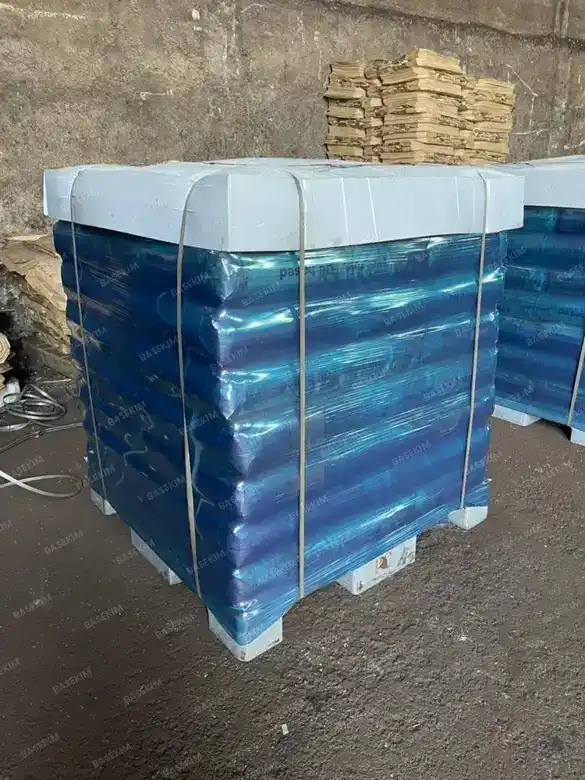
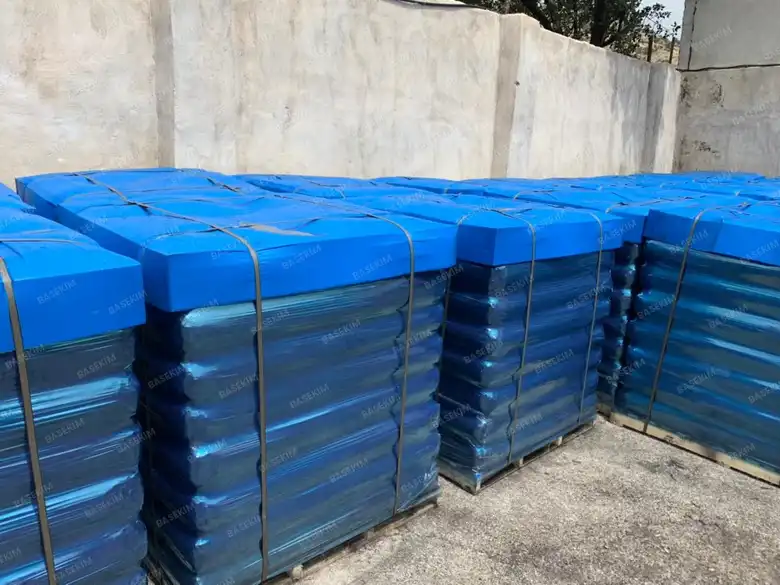
| Packing | 25 kg bags palletized; 1 MT jumbo bags. | |
Typical values. The final specification is confirmed in the COA of each shipment.
Related articles

Pipe Coating
Surface Preparation for Pipe Coatings
The best coating fails on a poor surface. Surface temperature should be at least 3 °C above dew…

Pipe Coating
Gilsonite in Pipe Coating: An Overview
Buried steel pipelines carrying water, oil and gas must be protected from corrosion for decades. Bituminous coatings —…
Pipe Coating
Cathodic Protection and Bituminous Pipe Coatings
Pipelines combine coatings with cathodic protection (CP). The coating must work well with CP. CP can cause coating…