
Mix Design Tips for Gilsonite-Modified Asphalt
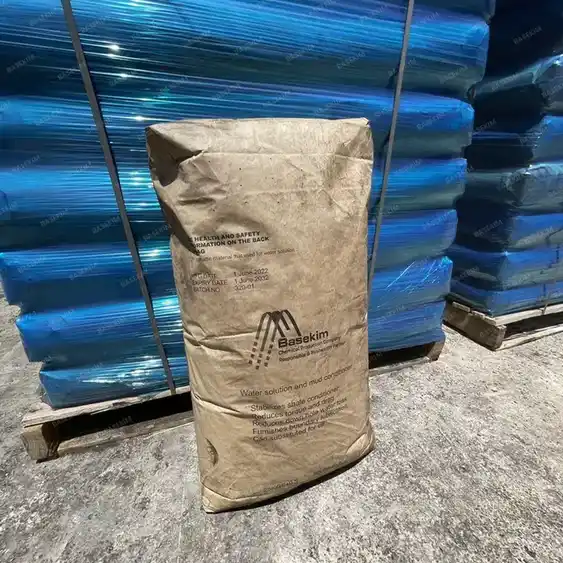
Designing a gilsonite-modified mix follows normal Marshall or Superpave procedures, with a few extra points.
1. Characterize the binder
Test softening point, penetration, viscosity and PG grade at several gilsonite contents.
2. Choose mixing and compaction temperatures
Gilsonite increases viscosity. Mixing and compaction temperatures may need to rise by 5–10°C.

3. Check binder content
Because the binder is stiffer, a slight increase in optimum binder content can improve durability.
4. Evaluate performance
- Marshall stability and flow
- Indirect tensile strength and moisture sensitivity
- Wheel-tracking rut depth
- Fatigue or cracking tests where required
5. Plant trial
Run a short plant trial to confirm mixing time and temperature, especially for the dry process.
Typical adjustments compared with unmodified mix
| Parameter | Adjustment |
|---|---|
| Mixing temperature | Slightly higher |
| Compaction temperature | Slightly higher |
| Binder content | Possibly slightly higher |
| Mixing time (dry process) | A few seconds longer |
Reporting
Report gilsonite type, dosage basis and process (wet or dry) in the mix design report.
Our technical team can share typical mix data for gilsonite asphalt modifier. Read wet vs. dry process.
Recommended product
Asphalt Modifier Grade Gilsonite
| Property | Typical value | Test method |
|---|---|---|
| Appearance | Black powder or granules | Visual |
| Softening point (R&B) | 150 – 200 °C | ASTM D36 |
| Ash content, max | 8 % | ASTM D3174 |
| Moisture, max | 1 % | ASTM D95 |
| Solubility in TCE, min | 95 % | ASTM D2042 |
| Specific gravity @ 25°C | 1.04 – 1.10 | ASTM D70 |
| Particle size | Powder ≤ 200 mesh / granular 1–5 mm | Sieve |
| Typical dosage | 4 – 12 % by weight of binder | |
| Packing | 25 kg bags, meltable bags or 1 MT jumbo bags. | |
Typical values. The final specification is confirmed in the COA of each shipment.
Related articles
Gilsonite vs. SBS Polymer for Asphalt Modification
SBS (styrene-butadiene-styrene) polymer and gilsonite are both used to improve asphalt binders, but they work differently.
Wet Process vs. Dry Process: Adding Gilsonite to Asphalt
There are two main ways to add gilsonite to asphalt mixtures. Each has advantages. Gilsonite powder is blended…

Gilsonite Asphalt for Hot-Climate Roads
In the Middle East, North Africa and other hot regions, pavement temperatures can exceed 70°C in summer. Standard…