
Gilsonite in Base and Binder Courses
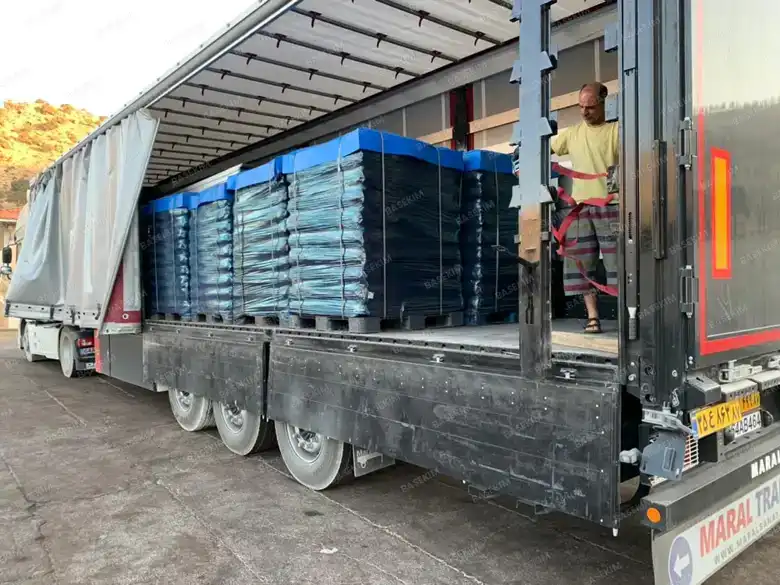
Much of the rutting in heavy-duty pavements occurs in the lower asphalt layers, not just the surface. Modifying base and binder courses with gilsonite can extend pavement life.
Why lower layers matter
Under heavy trucks, stresses reach deep into the pavement. Soft binder in lower layers can deform, creating ruts that show at the surface.
Benefits
- Higher stiffness modulus
- Better load spreading
- Reduced rut depth

High-modulus asphalt
Some countries use high-modulus asphalt (EME) with very hard binders. Gilsonite is one way to harden binders for these mixes.
Dosage
6–12% by weight of binder, often via dry process using granular gilsonite.
Design considerations
Check fatigue resistance; stiffer layers need adequate binder content.
Related: high-modulus asphalt with gilsonite.
Layer-by-layer approach
| Layer | Typical role | Gilsonite use |
|---|---|---|
| Wearing course | Skid resistance, sealing | Optional, depends on climate |
| Binder course | Rut resistance | Often beneficial |
| Base course | Structural stiffness | Beneficial for heavy traffic |
Design note
Stiffer lower layers reduce strains at the bottom of the asphalt and stresses on the subgrade, which can extend pavement life when designed properly.
Recommended product
Gilsonite Granular
| Property | Typical value | Test method |
|---|---|---|
| Appearance | Black granules | Visual |
| Particle size | 1 – 5 mm | Sieve |
| Softening point (R&B) | 150 – 200 °C | ASTM D36 |
| Ash content, max | 8 % | ASTM D3174 |
| Moisture, max | 1 % | ASTM D95 |
| Solubility in toluene, min | 95 % | ASTM D2042 |
| Specific gravity @ 25°C | 1.04 – 1.10 | ASTM D70 |
| Typical dosage | Asphalt: 4–12 % by weight of binder. | |
| Packing | 25 kg PP bags palletized, or 1 MT jumbo bags; 20–22 MT per 20ft container. | |
Typical values. The final specification is confirmed in the COA of each shipment.
Related articles
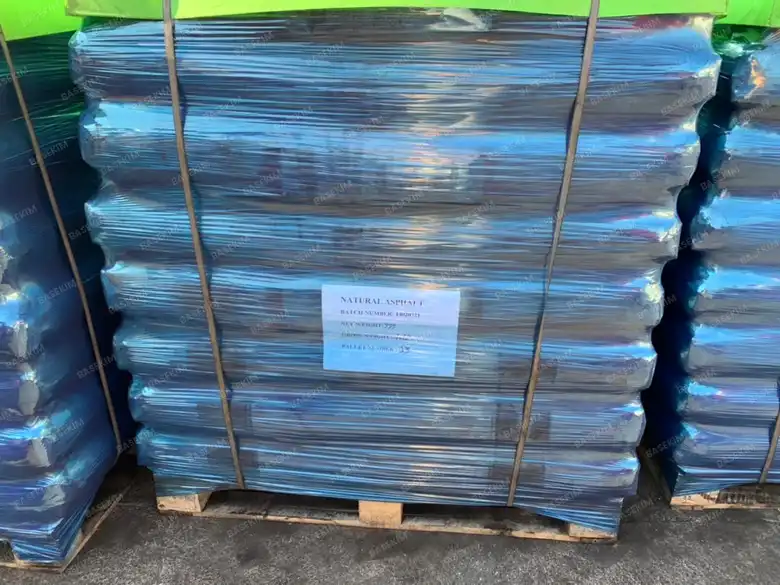
High-Modulus Asphalt with Gilsonite
High-modulus asphalt (often called EME, from the French enrobé à module élevé) uses hard binders to create very…

Gilsonite in Porous and Open-Graded Asphalt
Porous asphalt and open-graded friction courses (OGFC) drain water quickly, reduce spray and lower noise. But their open…
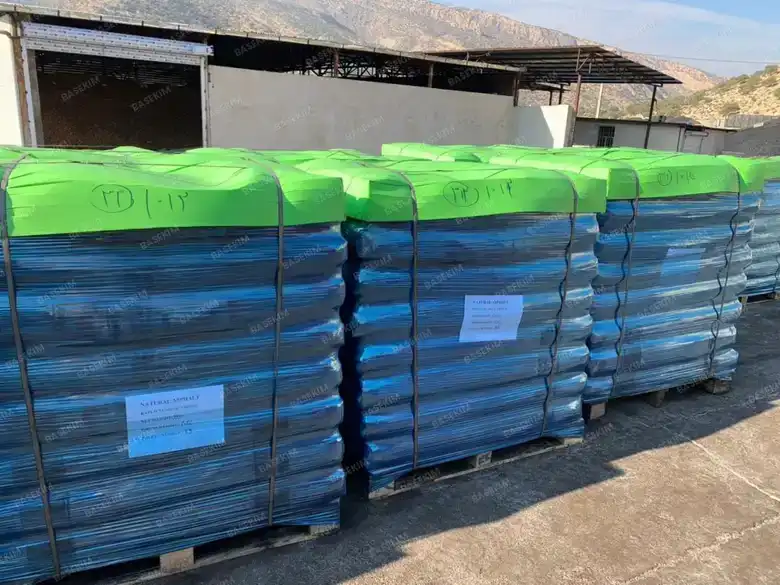
Compaction Tips for Gilsonite-Modified Asphalt
Good compaction is critical for any asphalt, and gilsonite-modified mixes are no exception. Gilsonite increases binder viscosity. Mixes…