
Improving Rutting Resistance with Gilsonite
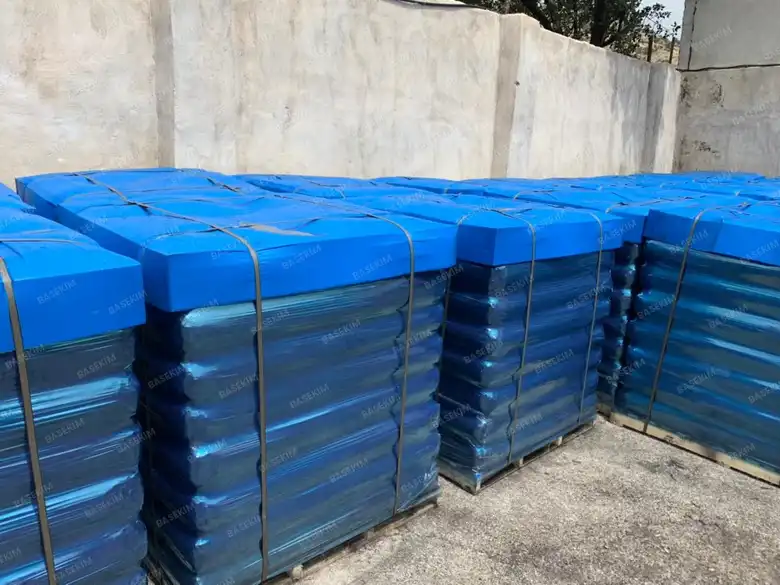
Rutting — permanent grooves in the wheel paths — is a common failure in hot climates and on heavily trafficked roads. Gilsonite is a proven way to reduce it.
Why roads rut
Under high temperatures and heavy, slow-moving loads, asphalt binder becomes soft and the mix deforms. Rutting is worst at intersections, bus stops and climbing lanes.
How gilsonite helps
Gilsonite increases binder stiffness at high temperatures, raising softening point and the high-temperature PG grade. Stiffer binder means less permanent deformation.
Evidence from testing
Wheel-tracking tests usually show lower rut depth for gilsonite-modified mixes compared with unmodified mixes of the same base binder.
Balancing low-temperature performance
Too much stiffness can increase the risk of cracking in cold weather. In regions with cold winters, use moderate dosages or combine with a softer base binder.
Where to use it
- Intersections and bus lanes
- Port and industrial pavements
- Airport aprons and taxiways
- Hot desert regions
Typical lab comparison
| Mix | Relative rut depth in wheel tracking |
|---|---|
| Unmodified 60/70 | Reference (higher) |
| 60/70 + gilsonite | Lower |
| PMB | Lower |
Actual values depend on materials and test conditions, so run tests with your own aggregates.
Field factors
Rutting also depends on aggregate skeleton, compaction and layer thickness. Gilsonite works best as part of a sound overall design.
Our asphalt modifier grade gilsonite is used for heavy-duty pavements. Compare with polymers in gilsonite vs. SBS polymer.
Recommended product
Asphalt Modifier Grade Gilsonite
| Property | Typical value | Test method |
|---|---|---|
| Appearance | Black powder or granules | Visual |
| Softening point (R&B) | 150 – 200 °C | ASTM D36 |
| Ash content, max | 8 % | ASTM D3174 |
| Moisture, max | 1 % | ASTM D95 |
| Solubility in TCE, min | 95 % | ASTM D2042 |
| Specific gravity @ 25°C | 1.04 – 1.10 | ASTM D70 |
| Particle size | Powder ≤ 200 mesh / granular 1–5 mm | Sieve |
| Typical dosage | 4 – 12 % by weight of binder | |
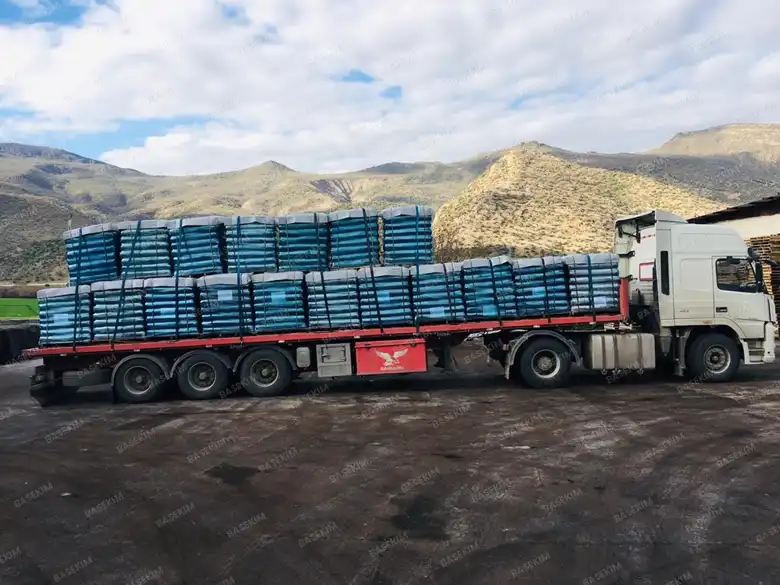
| Packing | 25 kg bags, meltable bags or 1 MT jumbo bags. | |
Typical values. The final specification is confirmed in the COA of each shipment.
Related articles
Gilsonite and Superpave Performance Grades (PG)
The Superpave performance grade system describes binders by the temperatures at which they perform. For example, PG 64-22…
Gilsonite Dosage in Hot Mix Asphalt
How much gilsonite should you add to hot mix asphalt (HMA)? The answer depends on the base binder,…
Gilsonite, Adhesion and Moisture Damage in Asphalt
Stripping — the loss of bond between binder and aggregate in the presence of water — causes ravelling…