
Gilsonite in Refractories and Carbon Products
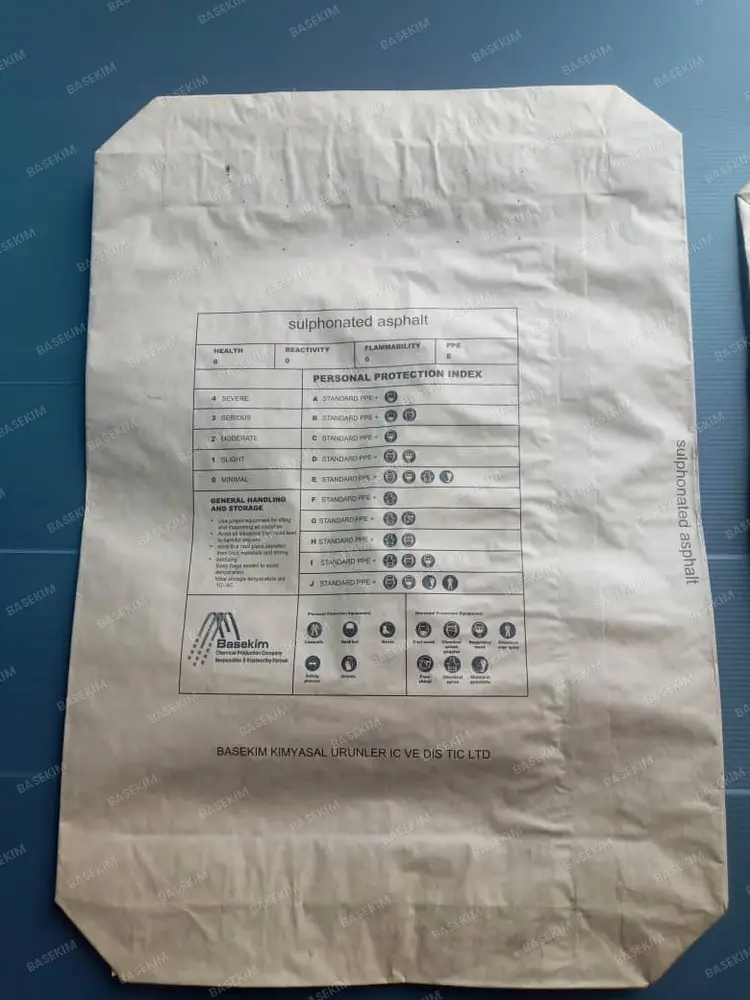
Carbon-containing refractories and carbon products sometimes use natural asphalts as binders or carbon sources.
Role
- Binder that cokes during firing
- Adds carbon to the matrix
Carbon-bonded refractories
Refractories such as magnesia-carbon and alumina-carbon bricks contain carbon to resist slag attack and thermal shock. They are bonded with resins or pitch that turn into carbon when heated.

Role of natural asphalt
Gilsonite can act as part of the binder system: it melts during mixing, coats grains and then cokes during firing or service, leaving a carbon network.
Considerations
- Volatile release during heating must be managed.
- Gilsonite’s coke yield is lower than some pitches.
- Fine grades give better distribution.
Other carbon products
Gilsonite has been used in carbon electrodes, pastes and specialty carbon products where a natural, low-ash hydrocarbon is required. Trials are essential.
Use micronized gilsonite.
Recommended product
Micronized Gilsonite
| Property | Typical value | Test method |
|---|---|---|
| Appearance | Dark brown fine powder | Visual |
| Particle size | 300 – 600 mesh | Laser / sieve |
| Softening point (R&B) | 150 – 180 °C | ASTM D36 |
| Ash content, max | 3 % | ASTM D3174 |
| Moisture, max | 1 % | ASTM D95 |
| Solubility in toluene, min | 99 % | ASTM D2042 |
| Specific gravity @ 25°C | 1.04 – 1.06 | ASTM D70 |
| Typical dosage | Ink varnish: 20–40 % in oil. | |
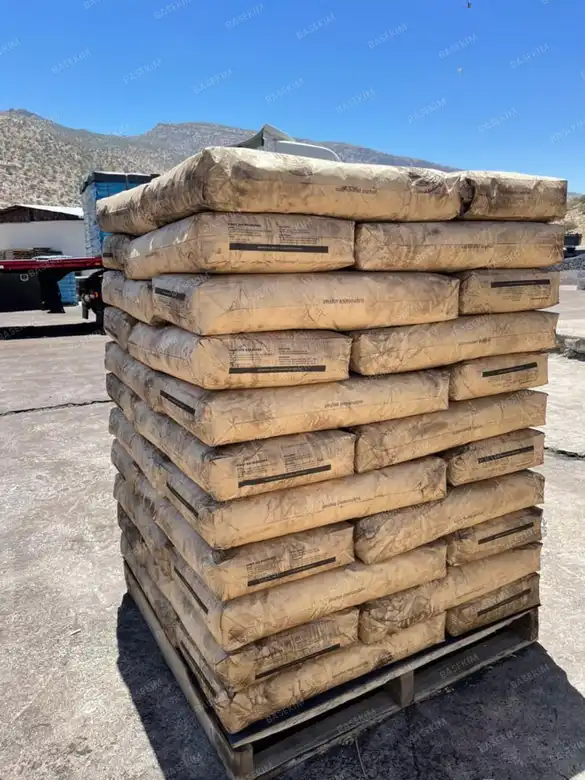
| Packing | 25 kg multi-wall paper bags with PE liner, palletized. | |
Typical values. The final specification is confirmed in the COA of each shipment.
Related articles

Gilsonite as an Industrial Additive: Overview
Beyond its major markets, gilsonite is a versatile additive in many industrial products. Gilsonite combines several properties that…
Natural Asphalts in Agricultural Products
Bituminous products have been used for tree wound dressings, grafting compounds and protective coatings for posts. Water resistance…
Gilsonite in Lubricants and Greases
Gilsonite can be used in heavy-duty greases and gear compounds. Gilsonite is dissolved in heavy base oil, then…