
The History of Gilsonite: From Discovery to Industry
Gilsonite has a surprisingly long history. Natural asphalts have been used for thousands of years — ancient builders used them to waterproof boats and bind bricks — but the material we now call gilsonite became an industrial product only in the late nineteenth century.
The name
The name comes from Samuel H. Gilson, an American who promoted the black, glassy mineral in the 1880s as a waterproof coating for wooden posts and as an insulating material for electrical cables. Scientists named the mineral uintaite after the region where it was first described, but “gilsonite” became the common name in industry.
Early uses
The first commercial uses took advantage of gilsonite’s water resistance and electrical insulation. It was used in varnishes, black japan finishes for bicycles and cars, roofing compounds and as a binder in early printing inks. Because it dissolved in oils and solvents and gave a deep black colour with high gloss, it quickly became a favourite of paint and ink makers.

The oil and gas era
In the twentieth century the oil industry discovered that fine gilsonite powder could seal porous formations and stabilize shale in drilling mud. Later it was added to cement slurries to lower density and prevent gas migration. Today drilling and cementing are among the largest uses of gilsonite worldwide. Learn more about this market in gilsonite in drilling fluids explained.
Road building
Paving engineers found that small amounts of gilsonite make asphalt binders stiffer and more resistant to rutting in hot climates. This use has grown steadily as traffic loads increase.
Gilsonite today
Deposits of natural asphalt are now mined in several regions, including the Middle East. Modern producers crush, screen and mill the material into precise grades, from lump to micronized powder, and test every lot for softening point, ash, moisture and particle size.
What began as a curious black mineral is now a versatile industrial raw material used on every continent.
Recommended product
Gilsonite Lump
| Property | Typical value | Test method |
|---|---|---|
| Appearance | Black, shiny lumps | Visual |
| Size | 0 – 50 mm (custom) | Sieve |
| Softening point (R&B) | 150 – 220 °C | ASTM D36 |
| Ash content, max | 5 – 10 % | ASTM D3174 |
| Moisture, max | 1 % | ASTM D95 |
| Volatile matter | 55 – 75 % | ASTM D3175 |
| Solubility in toluene, min | 95 % | ASTM D2042 |
| Specific gravity @ 25°C | 1.04 – 1.10 | ASTM D70 |
| Typical dosage | Depends on application. | |
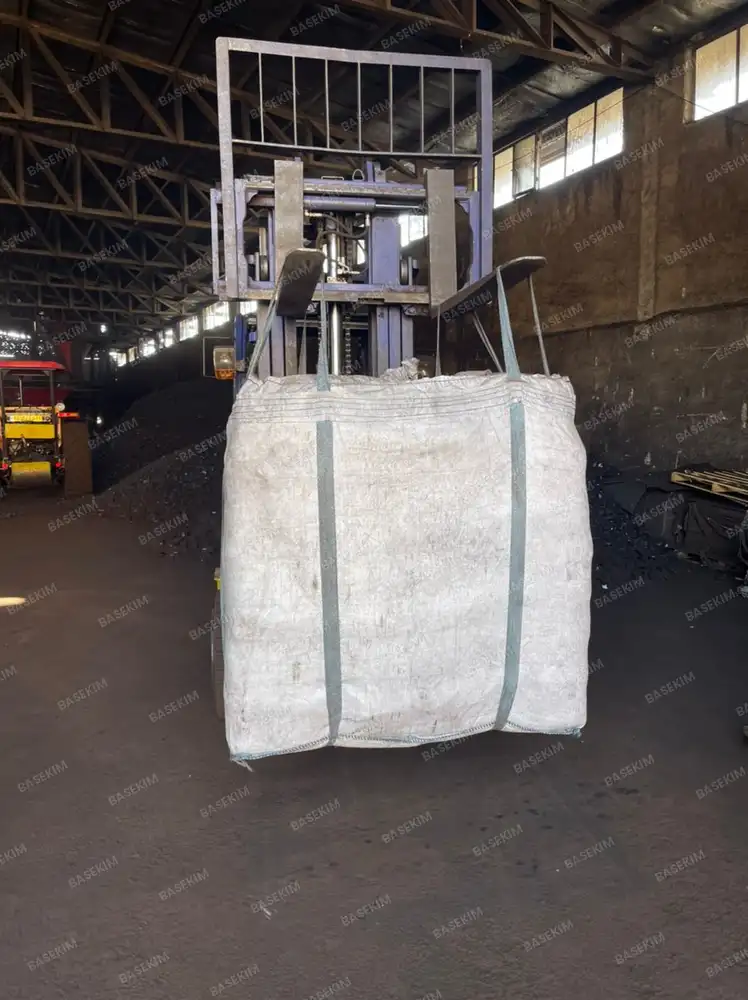
| Packing | 1 MT jumbo bags or bulk; 20 MT per 20ft container. | |
Typical values. The final specification is confirmed in the COA of each shipment.
Related articles
How Gilsonite Is Mined and Processed
Gilsonite occurs in narrow vertical veins that cut through surrounding rock. These veins can be a few centimetres…
Gilsonite vs. Bitumen: Key Differences Explained
Gilsonite and bitumen are both hydrocarbon binders, and both are sometimes called "asphalt". Yet they behave very differently,…
Gilsonite Quality Control Tests and Standards
Consistent quality is what separates a reliable gilsonite supplier from the rest. These are the main laboratory tests…