
Ink Grade Gilsonite Specifications Explained
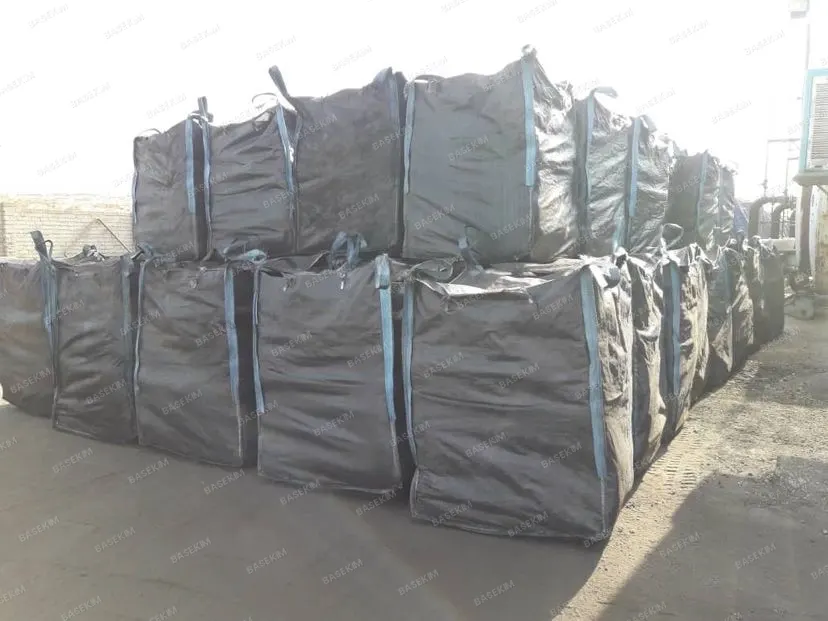
Ink makers need tighter specifications than many other users.
Key properties
| Property | Typical requirement |
|---|---|
| Ash | ≤ 3% |
| Moisture | ≤ 1% |
| Softening point | 150–180°C (grade-dependent) |
| Solubility in toluene | ≥ 99% |
| Particle size | Fine powder or micronized |
Why each matters
- Ash: grit causes roller and plate wear.
- Solubility: undissolved particles must be filtered out.
- Softening point: affects varnish viscosity.

Specification sheet tips
When writing a purchase specification, include:
- Ash content limit and test method
- Softening point range
- Moisture limit
- Solubility in toluene
- Particle size
- Packing and labelling requirements
Verifying a new lot
Make a standard varnish and compare viscosity, clarity and filter residue with a reference lot.
Why consistency matters
Even small changes in softening point change varnish viscosity and ink tack, which affects press performance.
Our ink grade gilsonite meets these requirements. See why ash content matters.
Recommended product
Ink & Paint Grade Gilsonite
| Property | Typical value | Test method |
|---|---|---|
| Appearance | Dark brown–black powder | Visual |
| Softening point (R&B) | 150 – 180 °C | ASTM D36 |
| Ash content, max | 3 % | ASTM D3174 |
| Moisture, max | 1 % | ASTM D95 |
| Solubility in toluene, min | 99 % | ASTM D2042 |
| Particle size | 200 – 600 mesh | Sieve |
| Typical dosage | Ink varnish: 20–40 % in oil | |
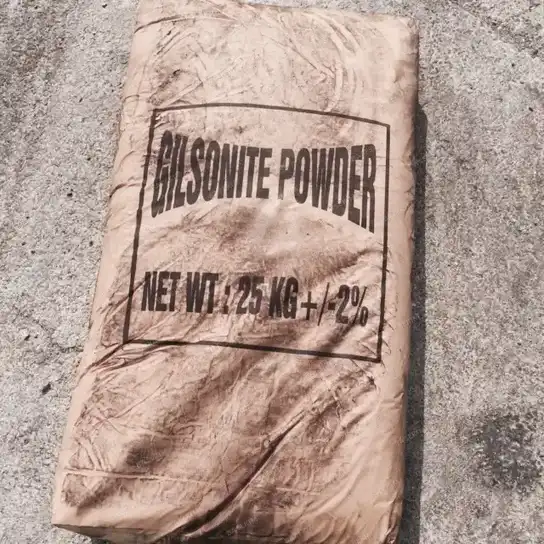
| Packing | 25 kg paper bags with PE liner, palletized. | |
Typical values. The final specification is confirmed in the COA of each shipment.
Related articles
Storing Gilsonite and Gilsonite Varnish
Proper storage maintains quality from receipt to production. Gilsonite powder stored dry in original bags keeps its properties…

Quality Checklist for Ink Grade Gilsonite
Use this checklist when qualifying a new supplier or lot. Quarantine the lot, inform the supplier with test…
How to Make Gilsonite Ink Varnish
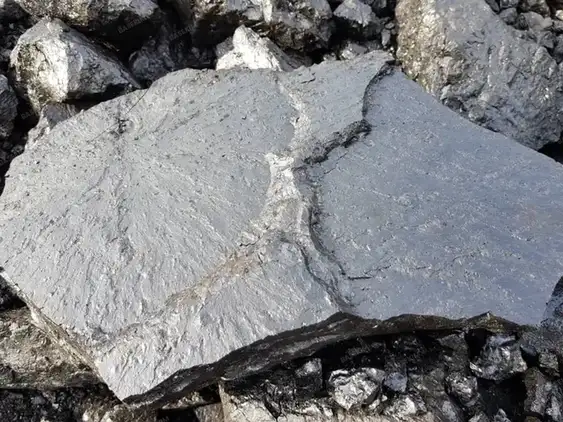
A gilsonite varnish is the base of many black inks. Making it correctly ensures clean, stable ink. 20–40%…