
Paving in Desert Conditions with Gilsonite
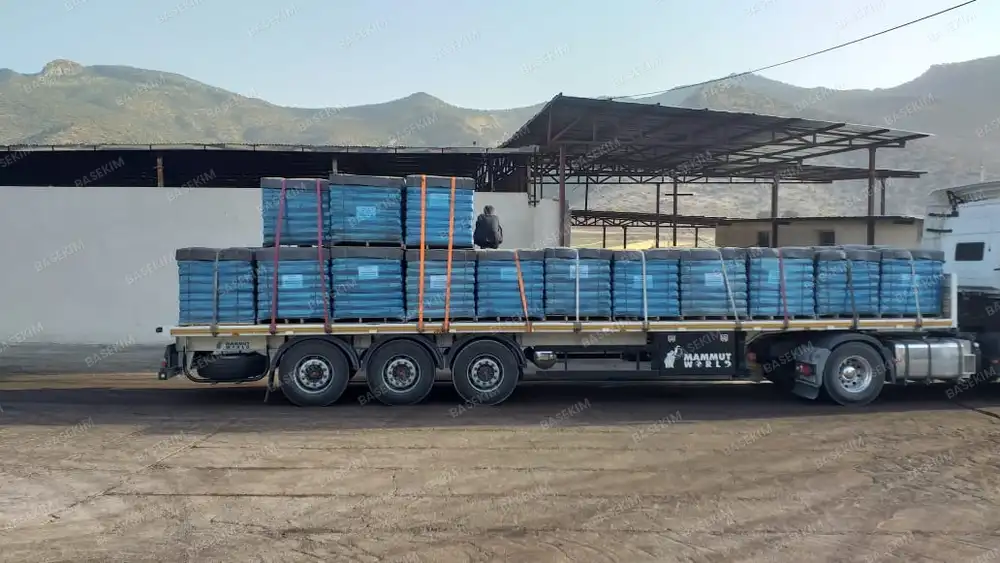
Desert roads face extreme heat, wind-blown sand and large daily temperature swings.
Challenges
- Pavement temperatures above 70°C
- Rapid binder aging under intense UV
- Dusty aggregates that hinder adhesion
Solutions
- Gilsonite-modified binder for high-temperature stiffness
- Clean aggregates and good filler control
- Proper compaction in the cooler hours of the day

Practical supply
Granular gilsonite is easy to handle in hot, windy plant conditions and reduces dust compared with fine powder.
Results
Gilsonite-modified mixes typically show better rut resistance and less bleeding during hot summers.
Construction tips for desert projects
| Issue | Solution |
|---|---|
| High day temperature | Pave early morning or evening |
| Wind | Protect mat edges, keep rollers close |
| Dusty aggregate | Wash or dry-screen, control filler |
| Long haul distances | Insulated trucks |
Binder choice
Gilsonite-modified binder with higher softening point resists softening and rutting under extreme heat.
Maintenance
Seal cracks before sand fills them and prevents sealing.
See also gilsonite asphalt for hot-climate roads.
Recommended product
Gilsonite Granular
| Property | Typical value | Test method |
|---|---|---|
| Appearance | Black granules | Visual |
| Particle size | 1 – 5 mm | Sieve |
| Softening point (R&B) | 150 – 200 °C | ASTM D36 |
| Ash content, max | 8 % | ASTM D3174 |
| Moisture, max | 1 % | ASTM D95 |
| Solubility in toluene, min | 95 % | ASTM D2042 |
| Specific gravity @ 25°C | 1.04 – 1.10 | ASTM D70 |
| Typical dosage | Asphalt: 4–12 % by weight of binder. | |
| Packing | 25 kg PP bags palletized, or 1 MT jumbo bags; 20–22 MT per 20ft container. | |
Typical values. The final specification is confirmed in the COA of each shipment.
Related articles
Compaction Tips for Gilsonite-Modified Asphalt
Good compaction is critical for any asphalt, and gilsonite-modified mixes are no exception. Gilsonite increases binder viscosity. Mixes…
Gilsonite in Stone Mastic Asphalt (SMA)
Stone mastic asphalt (SMA) uses a coarse stone skeleton filled with a rich mastic of binder, filler and…
Pavement Preservation with Gilsonite-Based Products
Pavement preservation means treating roads while they are still in good condition to extend their life at low…