
Preventing Differential Sticking with Gilsonite
Differential sticking happens when the drill string is pressed into a thick filter cake by the pressure difference between the mud column and a permeable formation. It is one of the most common causes of stuck pipe.
Root causes
- Thick, sticky filter cake
- High overbalance
- Permeable formations
- Pipe left stationary
How gilsonite helps
Gilsonite reduces fluid loss and creates a thin, tough, low-permeability filter cake. A thinner cake means less contact area between pipe and wall. Gilsonite also adds lubricity to the cake surface.

Best practices
- Keep HPHT fluid loss low with gilsonite and proper bridging materials.
- Minimize overbalance where safe.
- Keep the pipe moving.
- Use spotting fluids promptly if sticking occurs.
Dosage
4–8 lb/bbl through permeable sections.
Risk factors table
| Factor | Higher risk when |
|---|---|
| Overbalance | Large |
| Formation | High permeability |
| Filter cake | Thick, sticky |
| Pipe movement | Stationary for long periods |
Emergency response
If the pipe becomes stuck, reduce overbalance if safe, apply torque and jarring, and spot a release agent. Prevention is far cheaper than recovery.
Our drilling fluid grade gilsonite is designed for this application. Also read reducing torque and drag.
Recommended product
Drilling Fluid Grade Gilsonite
| Property | Typical value | Test method |
|---|---|---|
| Appearance | Black, shiny powder | Visual |
| Softening point (R&B) | 160 – 220 °C (grades) | ASTM D36 |
| Ash content | 3 – 8 % | ASTM D3174 |
| Solubility in TCE | 95 – 99 % | ASTM D2042 |
| Specific gravity @ 25°C | 1.04 – 1.06 | ASTM D70 |
| Moisture, max | 1 % | ASTM D95 |
| Particle size | 75 – 200 µm | Sieve |
| Typical dosage | 2 – 8 lb/bbl | |
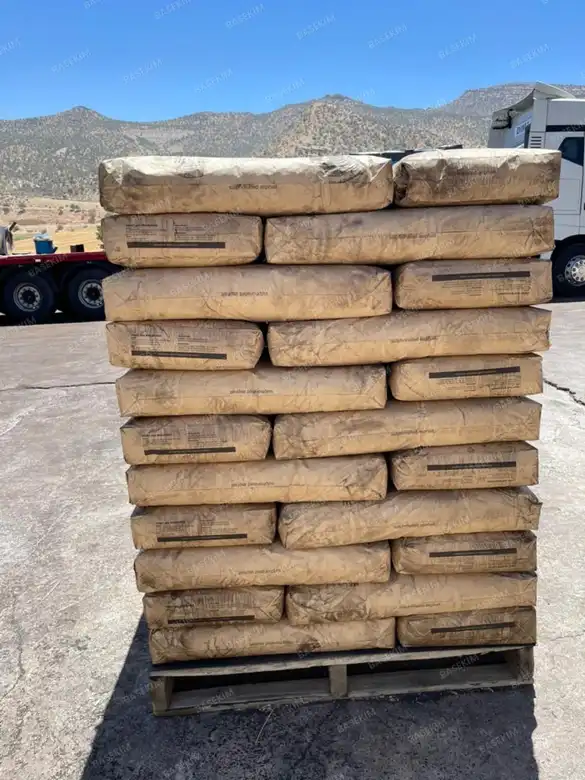
| Packing | 25 kg (50 lb) bags palletized; 1 MT jumbo bags. | |
Typical values. The final specification is confirmed in the COA of each shipment.
Related articles

Selecting Gilsonite Softening Point for Your Well
Softening point is the single most important property when choosing gilsonite for drilling. Gilsonite seals best when it…
Designing Lightweight Cement Slurries with Gilsonite
In weak or depleted formations, heavy cement slurries can fracture the rock and cause losses. Lightweight slurries solve…
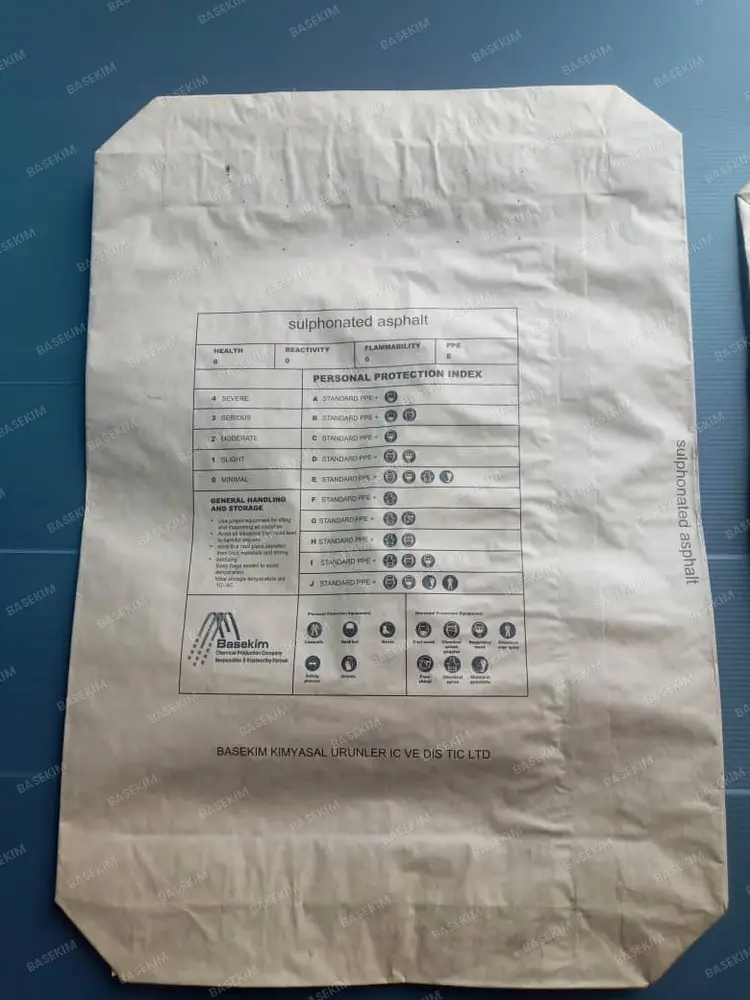
What Is Sulphonated Asphalt?
Sulphonated asphalt is a modified asphalt product used as a shale stabilizer and fluid loss additive in water-based…