
Solvent-Based vs. Emulsion Gilsonite Sealers
| Feature | Solvent-based | Emulsion |
|---|---|---|
| Penetration | Deep | Moderate |
| Drying | Fast | Slower |
| VOC | Higher | Low |
| Colour | Deep black | Black |
| Clean-up | Solvent | Water (before cure) |
Choose solvent-based where fast traffic return and penetration matter and regulations allow. Choose emulsions for lower VOC.
How to decide
Consider four questions:
- Regulations – are solvent-based products allowed in your region?
- Traffic – how quickly must the surface reopen?
- Surface condition – heavily oxidized surfaces benefit from deeper penetration.
- Weather – emulsions need warm, dry conditions to cure.
Practical guidance
| Situation | Recommended type |
|---|---|
| Busy car park, quick reopening | Solvent-based gilsonite |
| Residential driveway, low VOC | Emulsion |
| Airport apron | Specified per aviation guidance |
| Cool, humid climate | Solvent-based (better cure) |
Application differences
Solvent sealers are thinner and soak in; emulsions form a thicker film and often contain sand for texture.
See sealer and filler grade gilsonite and pavement sealer guide.
Recommended product
Sealer & Filler Grade Gilsonite
| Property | Typical value | Test method |
|---|---|---|
| Appearance | Black powder | Visual |
| Softening point (R&B) | 150 – 180 °C | ASTM D36 |
| Ash content, max | 5 % | ASTM D3174 |
| Moisture, max | 1 % | ASTM D95 |
| Solubility in toluene, min | 98 % | ASTM D2042 |
| Particle size | ≤ 200 mesh | Sieve |
| Typical dosage | Sealer: 15 – 35 % | |
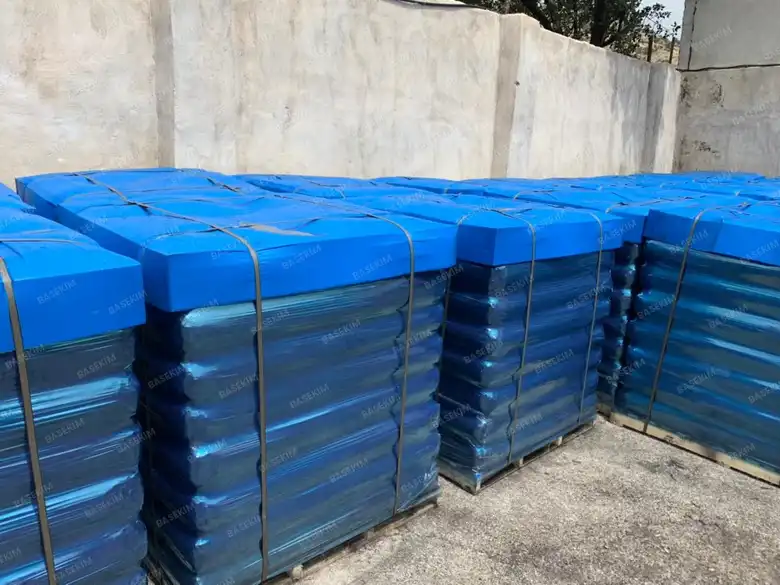
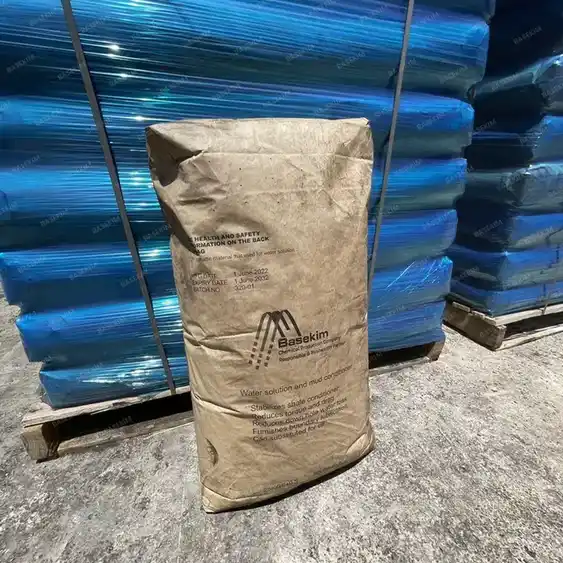
| Packing | 25 kg bags palletized. | |
Typical values. The final specification is confirmed in the COA of each shipment.
Related articles

Gilsonite in Joint Sealants
Bituminous joint sealants fill expansion and contraction joints in concrete and asphalt. Concrete pavements, bridge joints, canals and…
Gilsonite in Cold Patch and Pothole Repair Mixes
Cold patch mixes repair potholes quickly without hot asphalt. Improves cohesion and stiffness after curing, helping patches stay…
Sealer and Filler FAQ
How long does gilsonite sealer last? Typically 2–4 years. Can I seal new asphalt? Wait until it has…