
Coatings for Water Pipelines and Gilsonite

Water pipelines often use bituminous coatings for economy and durability.
Requirements
- Long life in wet soils
- Resistance to soil stress
- For internal linings: approval for potable water
Gilsonite use
Mainly in external coatings. Internal potable water linings require specific certified materials.

External coatings
Bituminous enamels, tapes and paints protect steel and ductile iron water pipes from soil corrosion. Gilsonite improves hardness and soil stress resistance.
Internal linings
Internal linings must meet drinking-water regulations. Cement mortar, epoxy and specific certified bituminous materials are used. Do not use general industrial bituminous coatings inside potable water pipes.
Selection checklist
- Soil corrosivity and moisture
- Operating temperature
- Cathodic protection design
- Handling and installation method
- Local standards and approvals
Recommended product
Coating & Waterproofing Grade Gilsonite
| Property | Typical value | Test method |
|---|---|---|
| Appearance | Black powder | Visual |
| Softening point (R&B) | 150 – 200 °C | ASTM D36 |
| Ash content, max | 5 % | ASTM D3174 |
| Moisture, max | 1 % | ASTM D95 |
| Solubility in TCE, min | 97 % | ASTM D2042 |
| Particle size | ≤ 200 mesh | Sieve |
| Typical dosage | 5 – 25 % of compound | |
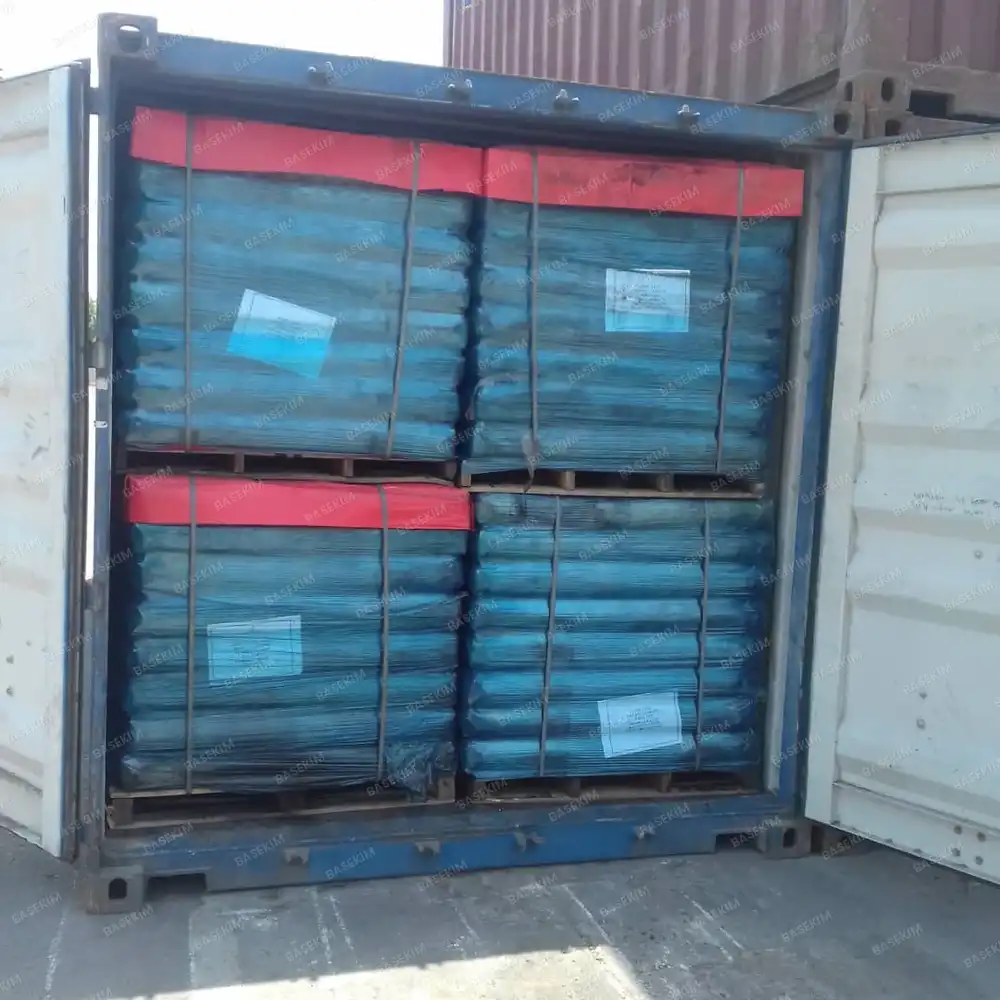
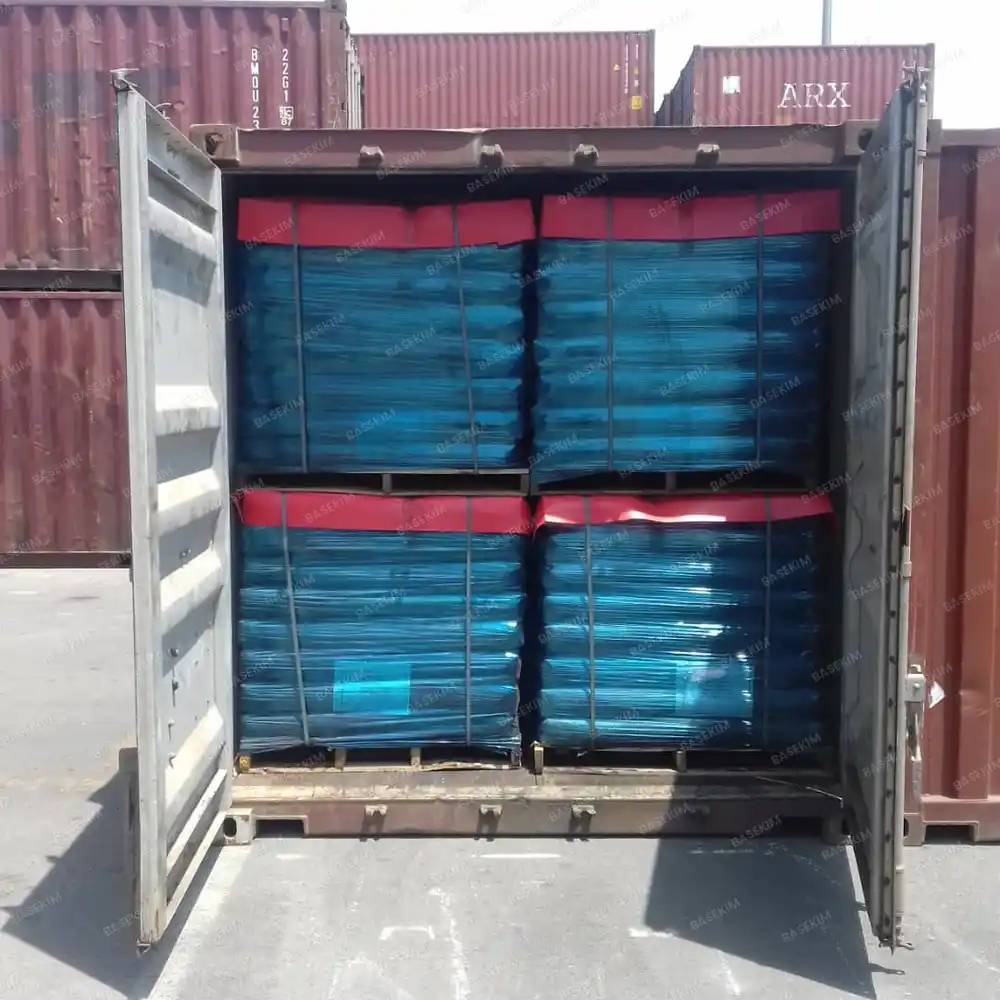
| Packing | 25 kg bags palletized; 1 MT jumbo bags. | |
Typical values. The final specification is confirmed in the COA of each shipment.
Related articles
Pipe Coatings for Hot Climates
High ground temperatures soften bituminous coatings, causing sag and soil stress damage. Higher softening point compounds — achieved…
Cathodic Protection and Bituminous Pipe Coatings
Pipelines combine coatings with cathodic protection (CP). The coating must work well with CP. CP can cause coating…
Field Joint Coating with Bituminous Materials
Welded joints in the field need coating that matches the factory coating. Hardens mastic and tape compounds, improving…