
Gilsonite Waterproofing FAQ
Why add gilsonite to waterproofing?
To increase hardness, heat resistance and water resistance.
Is it flexible?
Alone it is hard; it is blended with bitumen and polymers for flexibility.
Can it be used under tiles?
Yes, in suitable systems.
Water-based options?
Yes, through emulsions.
How long does a gilsonite waterproofing coating last?
With correct surface preparation and protection from UV and damage, below-ground coatings can last for decades. Exposed roof coatings typically need renewal every 5–10 years depending on climate.
Can I apply it on damp concrete?
Solvent-based products need dry surfaces. Some emulsions tolerate slightly damp substrates – check the data sheet.
What dosage of gilsonite is used?
Typically 5–20 % of the bituminous compound, depending on target softening point and flexibility.
Is it safe for drinking water tanks?
Only if the specific product is certified for potable water.
Can it be painted over?
Bituminous surfaces can bleed through paints. Use a compatible sealer or aluminium paint first.
See waterproofing grade gilsonite.
Recommended product
Coating & Waterproofing Grade Gilsonite
| Property | Typical value | Test method |
|---|---|---|
| Appearance | Black powder | Visual |
| Softening point (R&B) | 150 – 200 °C | ASTM D36 |
| Ash content, max | 5 % | ASTM D3174 |
| Moisture, max | 1 % | ASTM D95 |
| Solubility in TCE, min | 97 % | ASTM D2042 |
| Particle size | ≤ 200 mesh | Sieve |
| Typical dosage | 5 – 25 % of compound | |
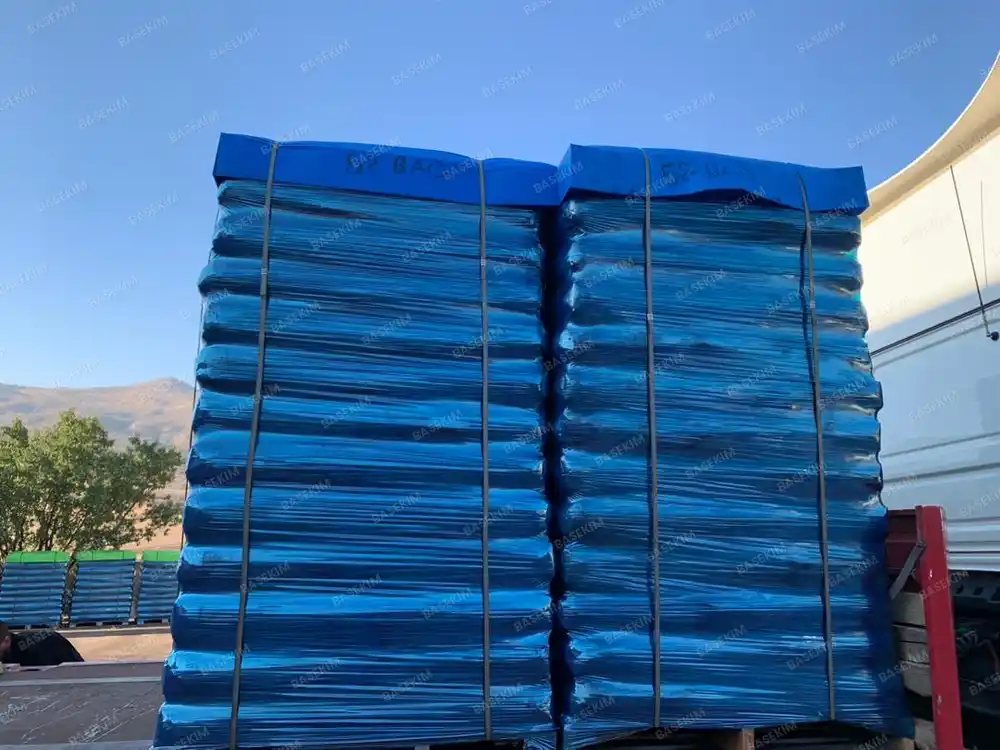
| Packing | 25 kg bags palletized; 1 MT jumbo bags. | |
Typical values. The final specification is confirmed in the COA of each shipment.
Related articles

Formulating Gilsonite Waterproofing Compounds
Softening point, flexibility, adhesion and water absorption. Softening point, sag on a vertical panel, drying time, flexibility over…
Damp-Proof Courses and Bituminous Barriers
Damp-proof courses stop moisture rising through walls. Bitumen sheets or coatings placed in masonry joints. Adds hardness so…
Gilsonite for Bridge Deck Waterproofing
Water and de-icing salts penetrating bridge decks corrode reinforcement. Waterproofing layers prevent this. Hardens mastic and membrane compounds,…