
Casting
Casting and Carbon Additives: FAQ
Why add carbon to green sand? To create lustrous carbon and a reducing atmosphere that improves surface finish.…


铸造用硬沥青在浇注温度下释放挥发性碳氢化合物,在铸型与金属界面形成光亮碳膜。铸件表面更光洁、落砂更干净,用量低于传统煤粉。
| 指标 | 典型值 | 检测方法 |
|---|---|---|
| 外观 | 黑色粉末 | 目测 |
| 粒径 | 100 – 300 目 | 筛分 |
| 挥发分 | 55 – 75 % | ASTM D3175 |
| 灰分,最大 | 5 % | ASTM D3174 |
| 水分,最大 | 1 % | ASTM D95 |
| 软化点(环球法) | 150 – 200 °C | ASTM D36 |
| 典型用量 | 0.3 – 1.0%(铸铁) | |
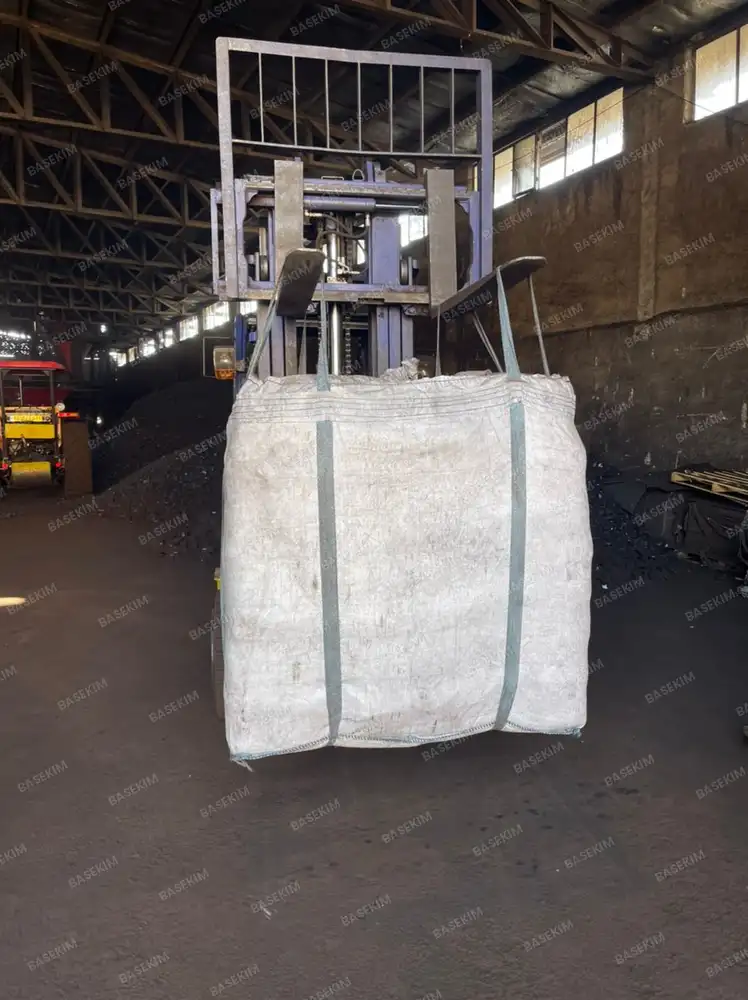
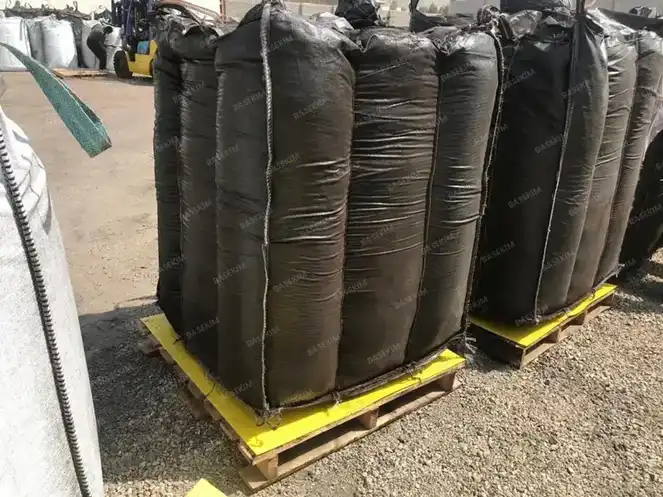
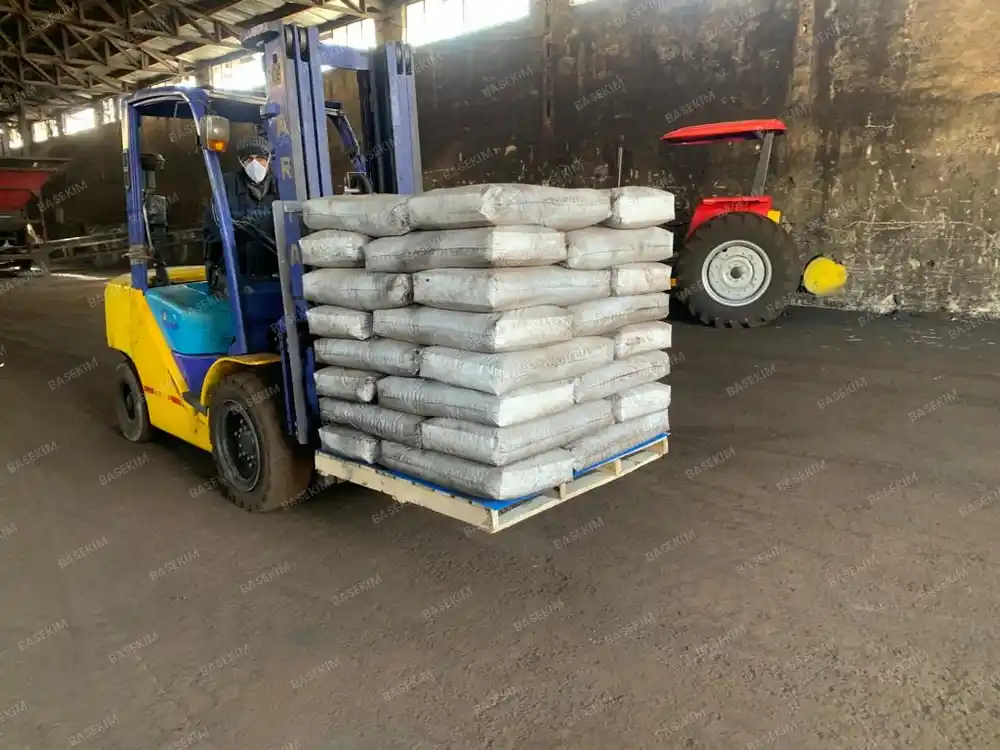
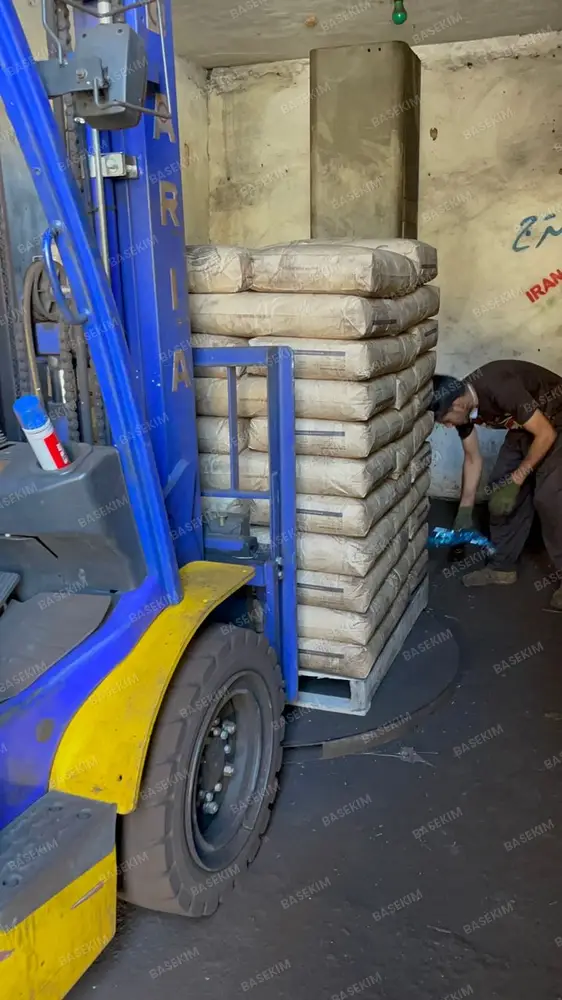
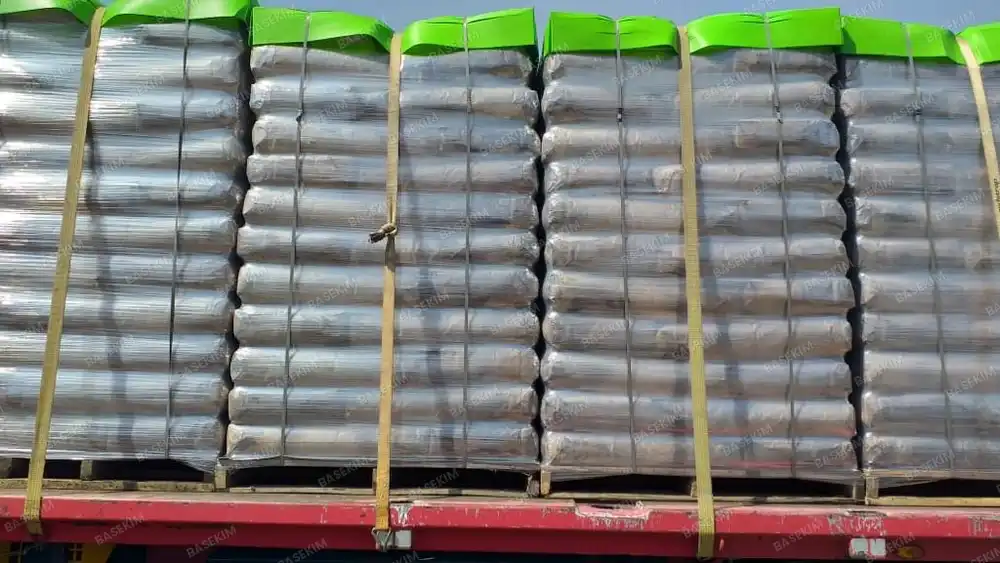
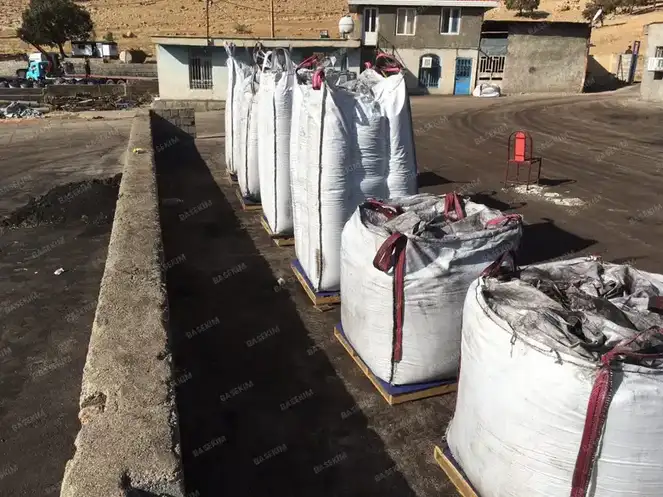
| 包装 | 25公斤袋托盘;混配厂可用1吨吨袋。 | |
以上为典型值,最终规格以每批货物的分析证书(COA)为准。
Why add carbon to green sand? To create lustrous carbon and a reducing atmosphere that improves surface finish.…
Copper alloys are cast at 1000–1200°C and are valued for their appearance. A clean surface reduces polishing. Small…
Veining appears as thin fins of metal on casting surfaces, usually on cores. It is caused by sand…

Switching carbon additives should be done step by step. Record current additive, dosage, LOI, volatiles, sand properties and…
Foundry margins are tight. The carbon additive is a small cost item but influences large costs downstream. Compare…
No-bake (self-setting) sands use resin binders instead of clay. Carbon additives are less common but can be useful.…
24小时内获取报价、样品及完整资料(TDS、MSDS、COA)。