
Sulphonated Asphalt Dosage Guide for Water-Based Mud

Getting the dosage right ensures you get the benefits of sulphonated asphalt without wasting product.
Typical treatment levels
| Situation | Typical dosage |
|---|---|
| Preventive shale treatment | 2–3 lb/bbl |
| Reactive shale sections | 4–6 lb/bbl |
| HPHT fluid loss control | 4–8 lb/bbl |
| Lubricity / torque reduction | 3–5 lb/bbl |
How to add
- Add slowly through the mixing hopper.
- Mix with good shear.
- Allow time for full dispersion before testing.
- Monitor foaming; add defoamer if needed.

What to measure
- API and HPHT fluid loss
- Rheology
- Shale dispersion or swelling tests
- Torque and drag trends at the rig
Maintaining concentration
Sulphonated asphalt is consumed as it coats shale and cuttings. Make regular additions while drilling shale to keep concentration steady.
Common mistakes
- Adding too quickly, causing lumps
- Under-treating in highly reactive sections
- Ignoring foaming
Example: treating a reactive shale section
A water-based KCl-polymer mud is about to drill a reactive shale. The engineer pre-treats the active system with 3 lb/bbl of sulphonated asphalt, then raises the concentration to 5 lb/bbl as cavings appear, while monitoring HPHT fluid loss and rheology.
Calculating sacks needed
Sacks = (active volume in bbl × dosage in lb/bbl) ÷ 50 lb per sack.
For 1,000 bbl at 4 lb/bbl: 1,000 × 4 ÷ 50 = 80 sacks.
Order sulphonated asphalt in 25 kg bags or jumbo bags. Compare with gilsonite in sulphonated asphalt vs. gilsonite.
Recommended product
Sulphonated Asphalt
| Property | Typical value | Test method |
|---|---|---|
| Appearance | Black free-flowing powder | Visual |
| Water solubility | ≥ 60 % | Gravimetric |
| Oil solubility | ≥ 30 % | Gravimetric |
| Moisture, max | 8 % | Oven |
| pH (1 % solution) | 8 – 10 | pH meter |
| Sulphonate content | ≥ 10 % | Titration |
| Typical dosage | 2 – 6 lb/bbl | |
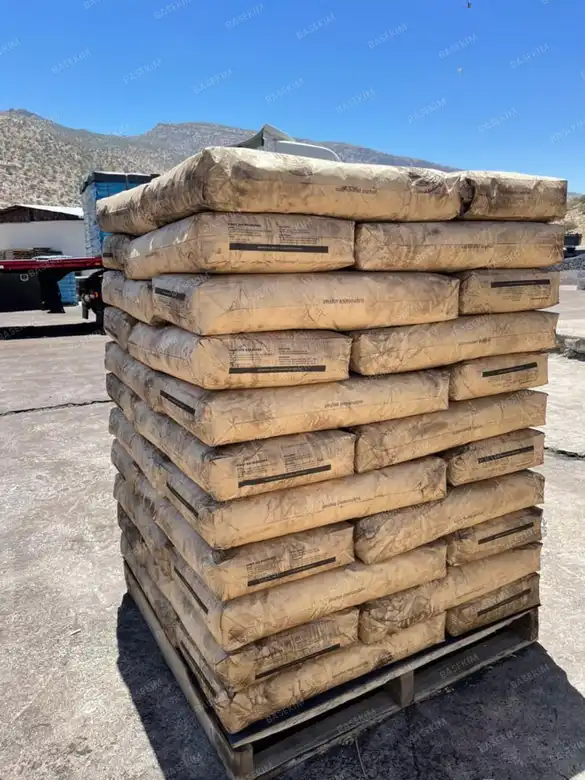
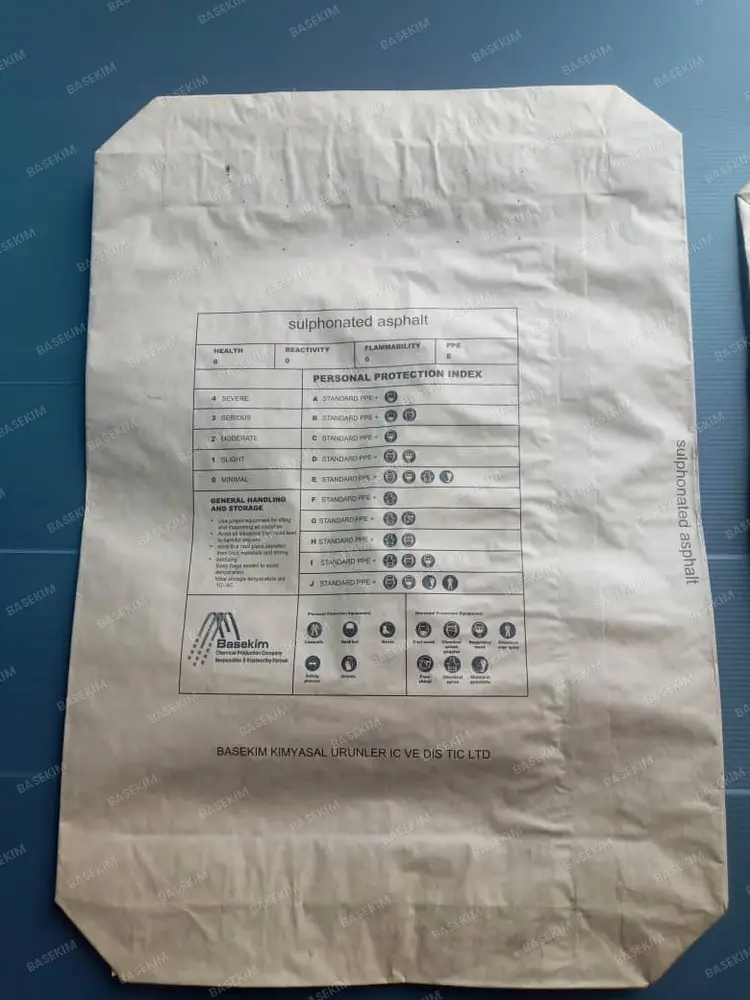
| Packing | 25 kg (50 lb ± 0.5) printed kraft bags; 1 MT jumbo bags. | |
Typical values. The final specification is confirmed in the COA of each shipment.
Related articles
Testing Gilsonite in the Mud Laboratory
Before a field trial, laboratory testing confirms that a gilsonite grade suits your fluid and well conditions. Confirm…
What Is Sulphonated Asphalt?
Sulphonated asphalt is a modified asphalt product used as a shale stabilizer and fluid loss additive in water-based…

Selecting Gilsonite Softening Point for Your Well
Softening point is the single most important property when choosing gilsonite for drilling. Gilsonite seals best when it…