
Gilsonite, Adhesion and Moisture Damage in Asphalt
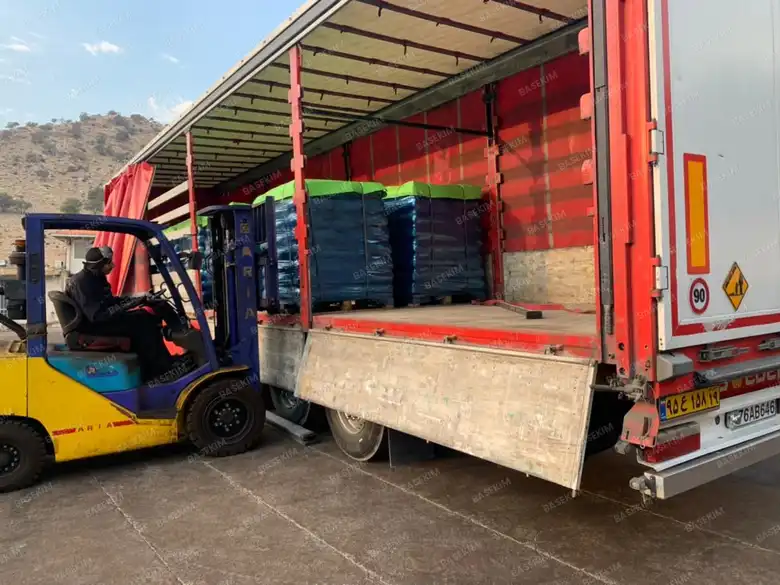
Stripping — the loss of bond between binder and aggregate in the presence of water — causes ravelling and potholes. Gilsonite can improve adhesion.
Why stripping happens
Water displaces binder from aggregate surfaces, especially with siliceous aggregates and in wet climates.
Gilsonite’s polar chemistry
Gilsonite contains nitrogen-rich polar compounds that bond well to mineral surfaces, improving coating and adhesion.
Testing
- Tensile strength ratio (TSR)
- Boiling water test
- Hamburg wheel tracking in water
Combining with anti-strip agents
For difficult aggregates, gilsonite can be used together with hydrated lime or liquid anti-strip agents.
Signs of stripping in the field
- Ravelling and loss of fines
- Potholes after wet seasons
- Bare aggregate visible in cores
Prevention strategy
| Measure | Effect |
|---|---|
| Good drainage | Less water in pavement |
| Proper compaction | Fewer voids |
| Anti-strip / gilsonite | Better bond |
Our asphalt modifier gilsonite supports better adhesion. See also mix design tips.
Recommended product
Asphalt Modifier Grade Gilsonite
| Property | Typical value | Test method |
|---|---|---|
| Appearance | Black powder or granules | Visual |
| Softening point (R&B) | 150 – 200 °C | ASTM D36 |
| Ash content, max | 8 % | ASTM D3174 |
| Moisture, max | 1 % | ASTM D95 |
| Solubility in TCE, min | 95 % | ASTM D2042 |
| Specific gravity @ 25°C | 1.04 – 1.10 | ASTM D70 |
| Particle size | Powder ≤ 200 mesh / granular 1–5 mm | Sieve |
| Typical dosage | 4 – 12 % by weight of binder | |
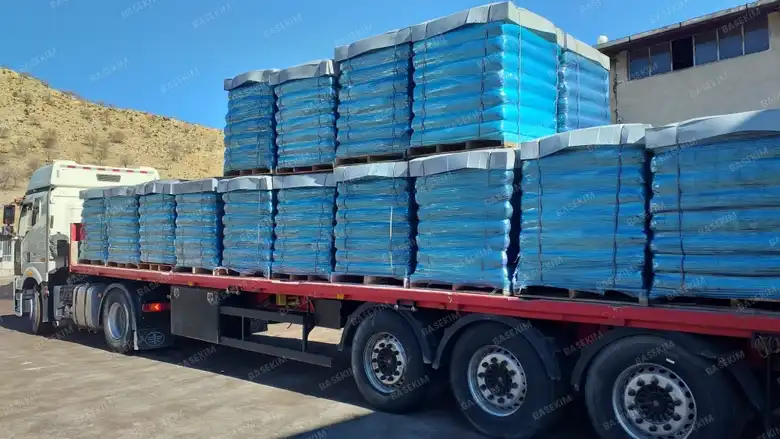
| Packing | 25 kg bags, meltable bags or 1 MT jumbo bags. | |
Typical values. The final specification is confirmed in the COA of each shipment.
Related articles
Gilsonite in Asphalt: Frequently Asked Questions
How much gilsonite should I add? Usually 4–12% by weight of binder, or 0.3–0.8% of the total mix.…
Gilsonite Asphalt for Airports and Heavy-Duty Pavements
Airport aprons, container terminals and industrial yards carry very heavy, slow or stationary loads. These pavements need extra…
Gilsonite in Mastic Asphalt and Guss Asphalt
Mastic asphalt (also called guss asphalt) is a dense, void-free mix poured hot and used on bridge decks,…