
Formulating Black Enamels with Gilsonite
Translate this article:

Gilsonite has a long history in black enamels and “japan” finishes for metal parts.
Basic formulation
- Gilsonite: 15–30% of binder
- Drying oil or alkyd resin
- Solvent (aromatic or aliphatic)
- Driers
- Optional carbon black
Properties achieved
- Hard, glossy black film
- Good chemical resistance
- Fast drying with heat-curing options

Applications
Machinery, agricultural equipment, castings and hardware.
Air-dry vs. baking enamels
- Air-dry enamels use drying oils or alkyds with metal driers. Gilsonite adds hardness and speeds dry-to-touch.
- Baking (stoving) enamels are cured at elevated temperature, producing very hard, chemically resistant films – the classic “black japan” finish.
Example starting formulation (air-dry)
| Component | Parts by weight |
|---|---|
| Gilsonite varnish (40 % in solvent) | 40 |
| Long-oil alkyd (solids basis) | 25 |
| Carbon black | 2 |
| Driers | 1 |
| Solvent | to viscosity |
Quality checks
Gloss, hardness, drying time, adhesion and resistance to water and mild chemicals.
See paint grade gilsonite and solvent guide.
Recommended product
Data sheet
Ink & Paint Grade Gilsonite
| Property | Typical value | Test method |
|---|---|---|
| Appearance | Dark brown–black powder | Visual |
| Softening point (R&B) | 150 – 180 °C | ASTM D36 |
| Ash content, max | 3 % | ASTM D3174 |
| Moisture, max | 1 % | ASTM D95 |
| Solubility in toluene, min | 99 % | ASTM D2042 |
| Particle size | 200 – 600 mesh | Sieve |
| Typical dosage | Ink varnish: 20–40 % in oil | |
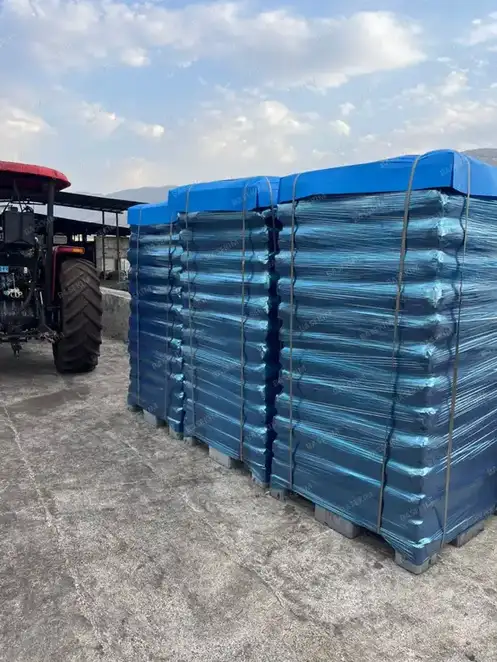
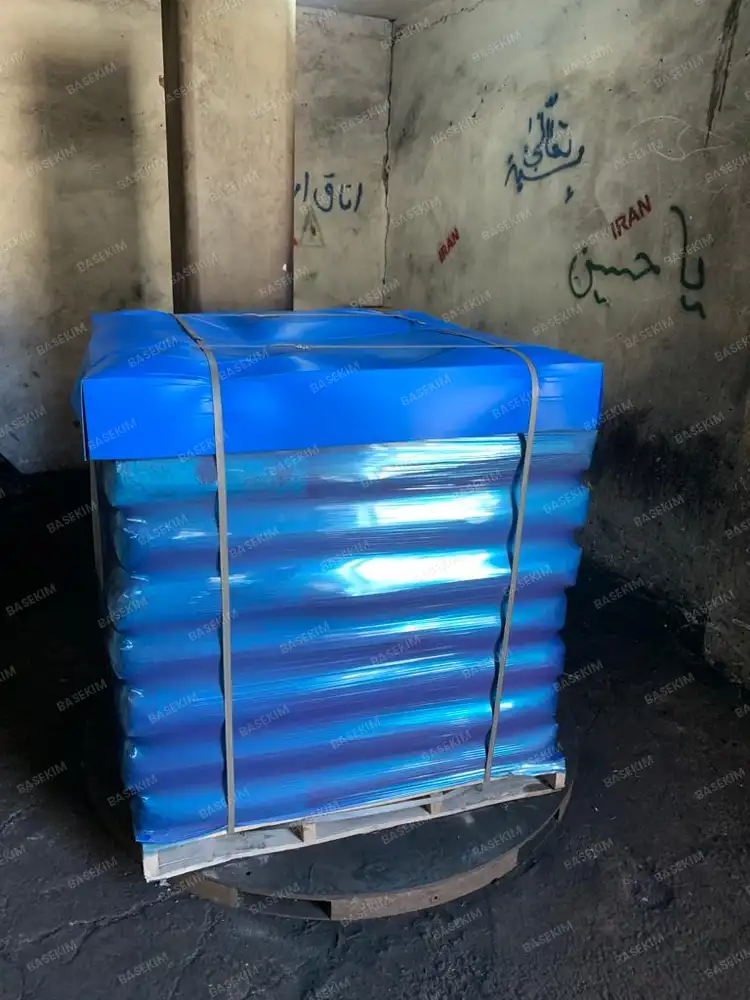
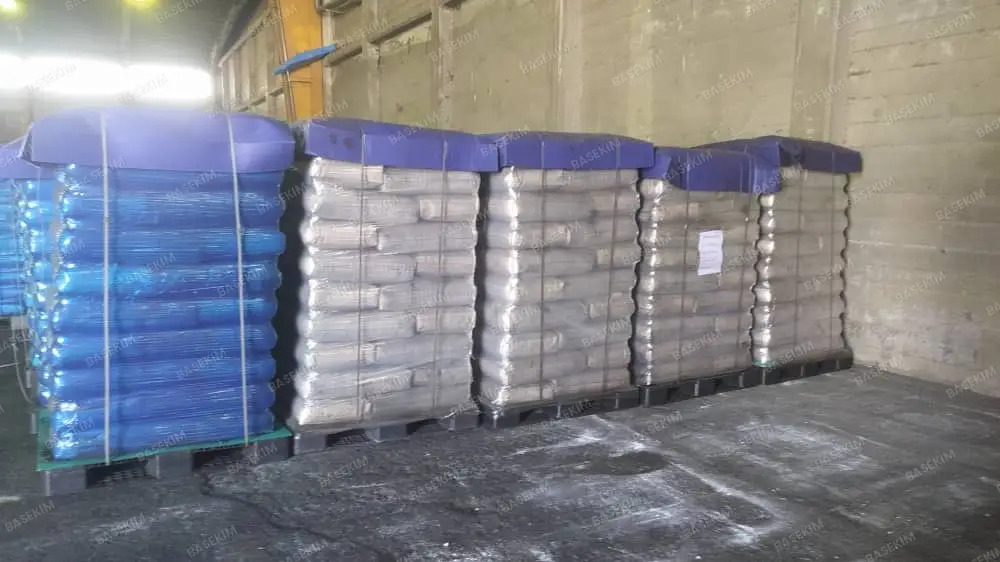
| Packing | 25 kg paper bags with PE liner, palletized. | |
Typical values. The final specification is confirmed in the COA of each shipment.
Related articles
Paint
Coatings for Tanks and Steel Structures with Gilsonite
Storage tanks, bridges and steel structures need durable, economical coatings. Improves film hardness, gloss and chemical resistance in…
Paint
Making Gilsonite Varnish for Paints
A gilsonite varnish simplifies paint production. 30–50% solids in solvent. The varnish can be blended with alkyds, oils…
Paint
Gilsonite Coatings for Concrete and Masonry
Concrete and masonry below ground need protection from water. Water resistance, adhesion to porous surfaces and durability.