
Making Gilsonite Varnish for Paints
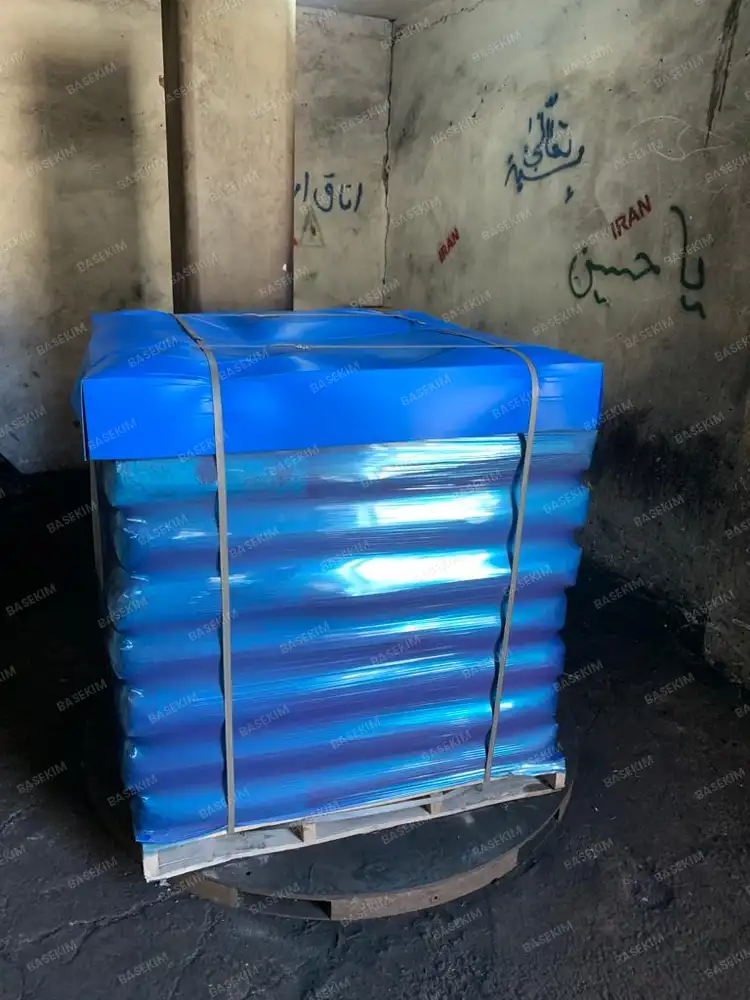
A gilsonite varnish simplifies paint production.
Steps
- Charge solvent or oil into a stirred tank.
- Heat if using oils (150–200°C) or keep cool for solvents with good ventilation.
- Add gilsonite slowly.
- Mix until fully dissolved.
- Filter.
Typical concentration
30–50% solids in solvent.

Uses
The varnish can be blended with alkyds, oils and pigments to make finished paints.
Choosing concentration
| Use | Typical concentration |
|---|---|
| Thin stains | 10–20 % |
| General paint varnish | 30–50 % |
| Heavy coatings | 50–60 % |
Process control
- Add gilsonite slowly to avoid lumps.
- Keep temperature controlled when using oils.
- Measure viscosity at a fixed temperature.
Filtering
Filter through 50–100 µm bags to remove insoluble ash and grit.
Storage
Store in closed containers; stir before use if any settling occurs.
See paint grade gilsonite and solubility guide.
Recommended product
Ink & Paint Grade Gilsonite
| Property | Typical value | Test method |
|---|---|---|
| Appearance | Dark brown–black powder | Visual |
| Softening point (R&B) | 150 – 180 °C | ASTM D36 |
| Ash content, max | 3 % | ASTM D3174 |
| Moisture, max | 1 % | ASTM D95 |
| Solubility in toluene, min | 99 % | ASTM D2042 |
| Particle size | 200 – 600 mesh | Sieve |
| Typical dosage | Ink varnish: 20–40 % in oil | |
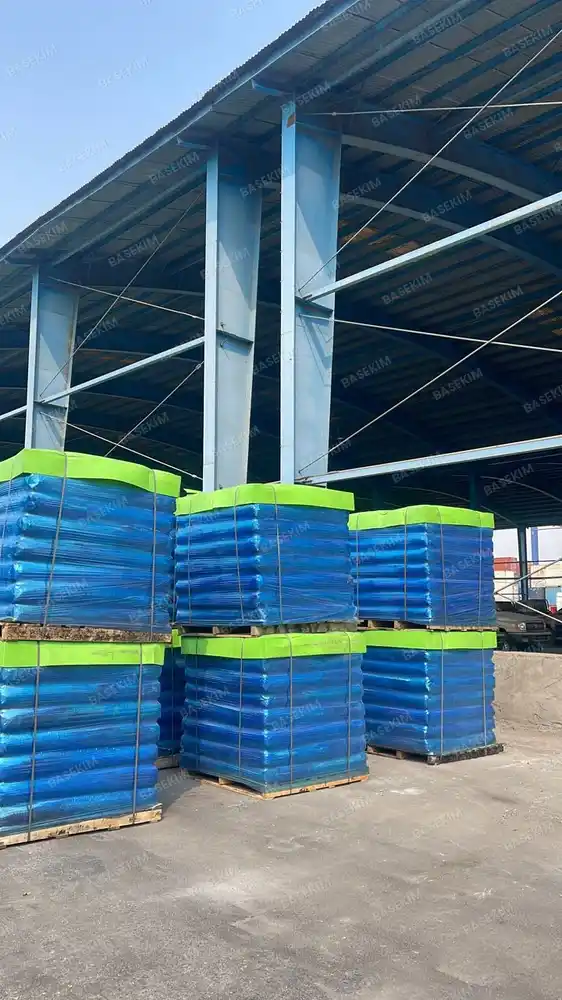
| Packing | 25 kg paper bags with PE liner, palletized. | |
Typical values. The final specification is confirmed in the COA of each shipment.
Related articles
Gilsonite in Automotive Underbody Coatings
Vehicle underbodies face stones, water and road salt. Bituminous underbody coatings with gilsonite provide tough protection.
Gilsonite Solubility in Common Solvents
Choosing the right solvent is the first step in formulating a gilsonite coating. Most good solvents for gilsonite…
Gilsonite as a Partial Replacement for Black Pigment
Carbon black is effective but can be difficult to disperse. Gilsonite can supply part of the black colour…