
Gilsonite as a Partial Replacement for Black Pigment
Carbon black is effective but can be difficult to disperse. Gilsonite can supply part of the black colour in solution.
Advantages
- Dissolves rather than disperses
- No milling needed for the gilsonite portion
- Adds gloss and binder properties
Limitations
Gilsonite solutions appear brown when very thin; carbon black is still needed for jet black.
How the two compare
| Feature | Carbon black | Gilsonite |
|---|---|---|
| Form in paint | Dispersed particles | Dissolved resin |
| Milling required | Yes | No |
| Jetness | Very high | Good in thick films |
| Contribution to binder | None | Acts as binder |
Practical approach
Use gilsonite to supply part of the black and part of the binder, then add a small amount of carbon black for final jetness. This can reduce milling time and pigment cost.
Limitations
Gilsonite is not lightfast in thin films and can brown slightly. For high-performance exterior coatings, use proper topcoats.
Use micronized gilsonite for fast dissolution.
Recommended product
Micronized Gilsonite
| Property | Typical value | Test method |
|---|---|---|
| Appearance | Dark brown fine powder | Visual |
| Particle size | 300 – 600 mesh | Laser / sieve |
| Softening point (R&B) | 150 – 180 °C | ASTM D36 |
| Ash content, max | 3 % | ASTM D3174 |
| Moisture, max | 1 % | ASTM D95 |
| Solubility in toluene, min | 99 % | ASTM D2042 |
| Specific gravity @ 25°C | 1.04 – 1.06 | ASTM D70 |
| Typical dosage | Ink varnish: 20–40 % in oil. | |
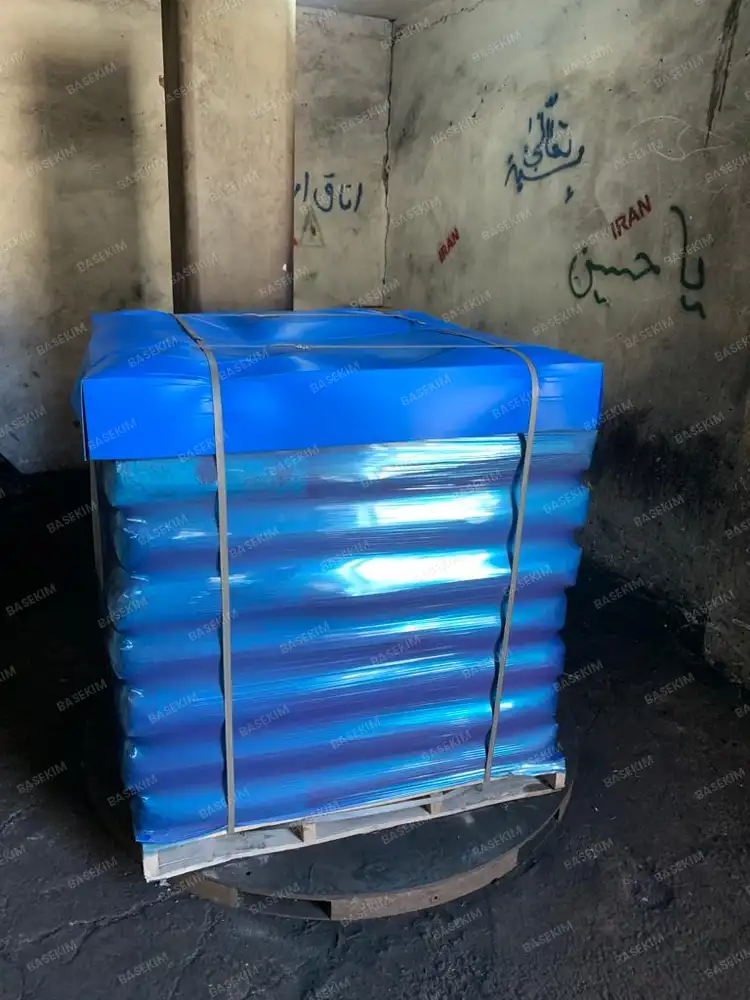
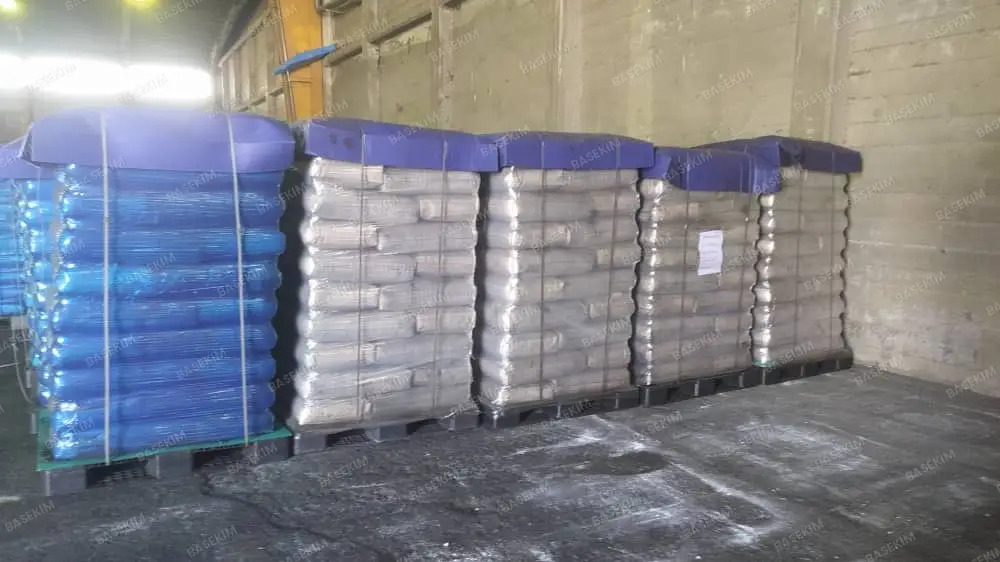
| Packing | 25 kg multi-wall paper bags with PE liner, palletized. | |
Typical values. The final specification is confirmed in the COA of each shipment.
Related articles
Gilsonite Solubility in Common Solvents
Choosing the right solvent is the first step in formulating a gilsonite coating. Most good solvents for gilsonite…

Gilsonite in Wood Stains and Preservatives
Gilsonite gives rich brown-to-black tones in wood stains and adds water repellence. Dilute gilsonite solutions give walnut and…
Gilsonite in Paints and Coatings: An Overview
Gilsonite is a classic resin for black industrial paints and protective coatings. It dissolves in common solvents and…