
Gilsonite Roof Coatings
Translate this article:

Black roof coatings protect and renew asphalt and metal roofs.
Benefits
- Waterproofing
- UV resistance compared with soft bitumen
- Harder, less tacky surface
Types
- Solvent-based asphalt roof coatings
- Fibred roof coatings
- Asphalt emulsions with gilsonite
Roof coating types
| Type | Typical use |
|---|---|
| Non-fibred solvent coating | Thin protective layer, primer |
| Fibred coating | Thicker layer, crack bridging |
| Aluminium roof coating | Reflective topcoat over bitumen |
| Emulsion coating | Low-odour renewal |
Application tips
- Clean and dry the roof; repair blisters and cracks.
- Apply primer on bare metal or concrete.
- Apply in mild weather, avoiding rain within 24 hours.
- Use fabric reinforcement at seams and details.
Benefits of gilsonite
Higher heat resistance and a harder, less tacky surface that resists running on slopes in hot weather.
See coating and waterproofing grade gilsonite and gilsonite waterproofing overview.
Recommended product
Data sheet
Coating & Waterproofing Grade Gilsonite
| Property | Typical value | Test method |
|---|---|---|
| Appearance | Black powder | Visual |
| Softening point (R&B) | 150 – 200 °C | ASTM D36 |
| Ash content, max | 5 % | ASTM D3174 |
| Moisture, max | 1 % | ASTM D95 |
| Solubility in TCE, min | 97 % | ASTM D2042 |
| Particle size | ≤ 200 mesh | Sieve |
| Typical dosage | 5 – 25 % of compound | |
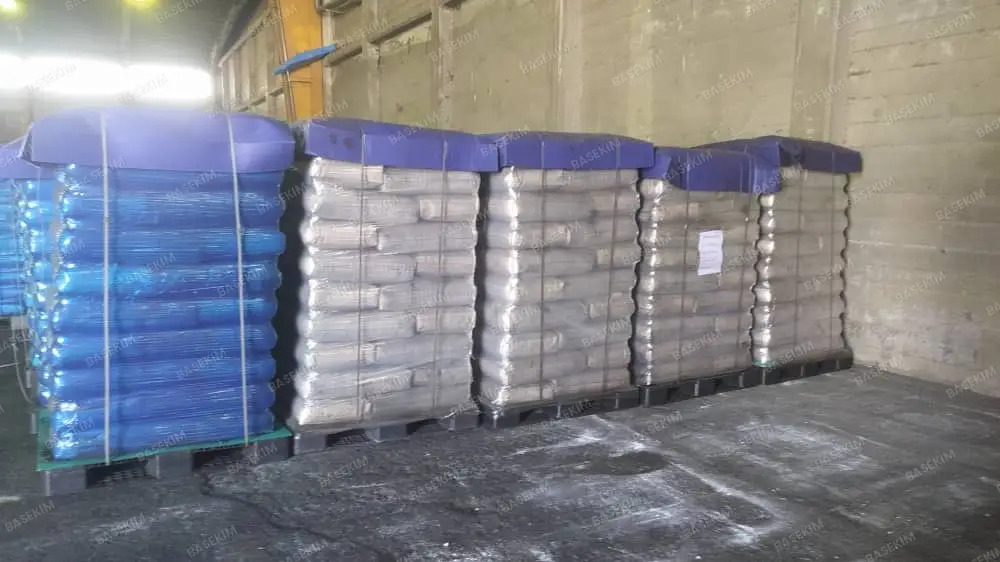
| Packing | 25 kg bags palletized; 1 MT jumbo bags. | |
Typical values. The final specification is confirmed in the COA of each shipment.
Related articles
Paint
Coatings for Tanks and Steel Structures with Gilsonite
Storage tanks, bridges and steel structures need durable, economical coatings. Improves film hardness, gloss and chemical resistance in…
Paint
Gilsonite in High-Solids and Lower-VOC Coatings
Regulations push coatings toward lower volatile organic compounds (VOC). Gilsonite needs solvent to dissolve, so formulators must balance…
Paint
Gilsonite in Anti-Corrosion Primers
Protecting steel from corrosion requires coatings that resist water and ions. Gilsonite adds barrier properties. Gilsonite is hydrophobic…