
Gilsonite in Marine and Ship Coatings
Bituminous coatings have long been used on ship hulls, ballast tanks and marine structures.
Benefits
- Water and salt resistance
- Economical thick films
- Good adhesion to steel
Uses
- Ballast tank coatings (traditional systems)
- Hull bottom coatings in some markets
- Pilings and jetties
Modern specifications often require epoxy systems; gilsonite-modified coatings serve where they are permitted.

Traditional bituminous marine uses
- Coal tar and bitumen coatings in ballast tanks
- Black boot-topping and hull bottoms in some markets
- Pilings, jetties and fenders
Modern practice
Many classification and environmental rules now favour epoxy systems. Bituminous coatings remain useful for pilings, buoys, maintenance coatings and some non-critical areas.
Gilsonite benefit
Improves hardness and adhesion and reduces softening in tropical heat.
Selection
Always check owner, class society and environmental requirements before specifying.
Recommended product
Ink & Paint Grade Gilsonite
| Property | Typical value | Test method |
|---|---|---|
| Appearance | Dark brown–black powder | Visual |
| Softening point (R&B) | 150 – 180 °C | ASTM D36 |
| Ash content, max | 3 % | ASTM D3174 |
| Moisture, max | 1 % | ASTM D95 |
| Solubility in toluene, min | 99 % | ASTM D2042 |
| Particle size | 200 – 600 mesh | Sieve |
| Typical dosage | Ink varnish: 20–40 % in oil | |
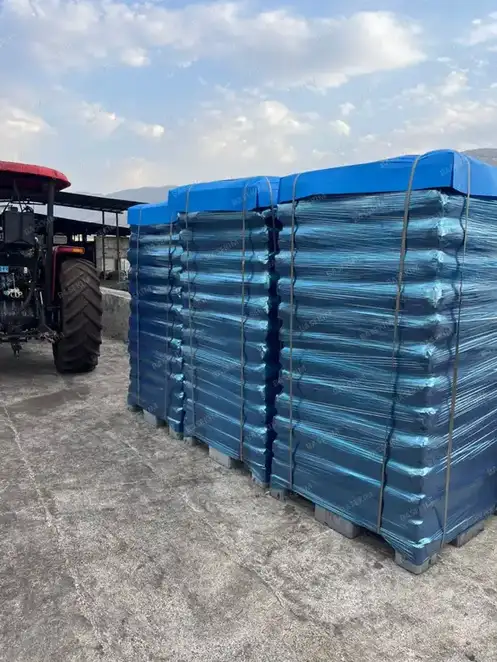
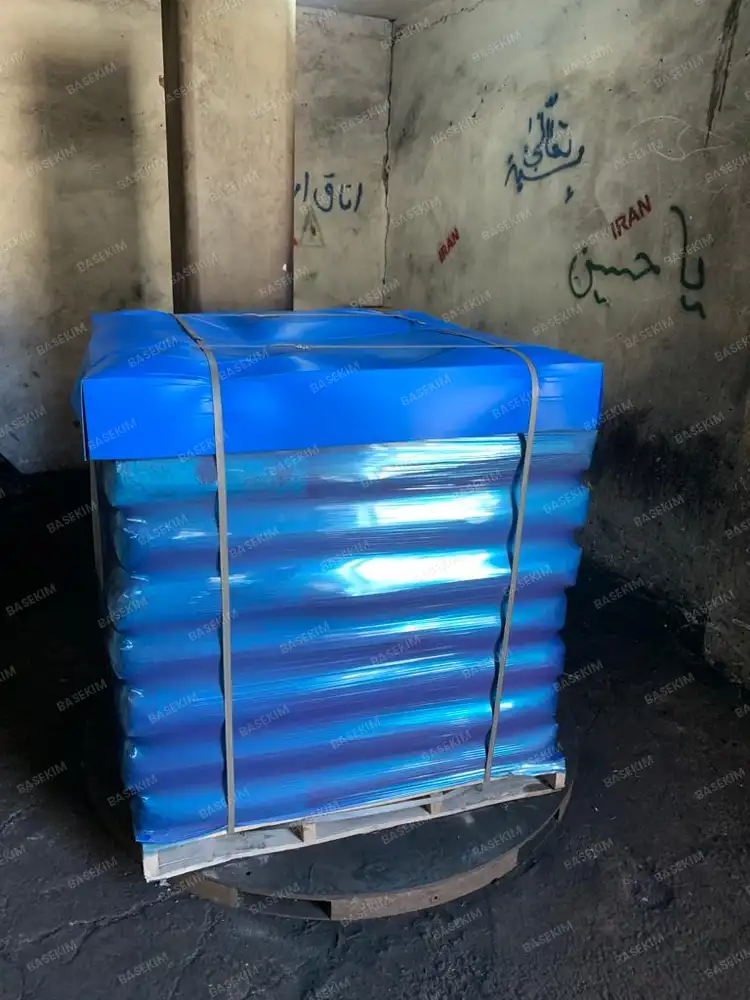
| Packing | 25 kg paper bags with PE liner, palletized. | |
Typical values. The final specification is confirmed in the COA of each shipment.
Related articles

Heat-Resistant Black Coatings with Gilsonite
Gilsonite's high softening point helps black coatings resist softening in hot conditions. For very high temperatures, silicone-based coatings…
Testing Gilsonite for Paint Applications
Before using a new gilsonite grade, test it in your formulation. Ash, softening point, moisture and particle size…
Gilsonite in Paints: FAQ
What colour does gilsonite give? Black in thick films, brown in thin films. Which solvents dissolve it? Aromatic…