
Surface Preparation for Pipe Coatings
Translate this article:

The best coating fails on a poor surface.
Steps
- Remove oil and grease
- Abrasive blast to the specified cleanliness and profile
- Remove dust
- Prime promptly before rust forms
Checks
- Surface cleanliness standard
- Profile depth
- Dew point and surface temperature
Typical steps and standards
| Step | Typical requirement |
|---|---|
| Degreasing | Remove oil and grease with solvent or detergent |
| Abrasive blasting | Near-white or white metal finish, as specified |
| Surface profile | Usually 40–100 µm depending on coating |
| Dust removal | Compressed air or vacuum |
Environmental conditions
Surface temperature should be at least 3 °C above dew point to prevent condensation. Check humidity before blasting and coating.
Common defects from poor preparation
- Blistering and disbondment
- Rust spots under coating
- Poor holiday test results
Good preparation is often the single biggest factor in coating life.
Recommended product
Data sheet
Coating & Waterproofing Grade Gilsonite
| Property | Typical value | Test method |
|---|---|---|
| Appearance | Black powder | Visual |
| Softening point (R&B) | 150 – 200 °C | ASTM D36 |
| Ash content, max | 5 % | ASTM D3174 |
| Moisture, max | 1 % | ASTM D95 |
| Solubility in TCE, min | 97 % | ASTM D2042 |
| Particle size | ≤ 200 mesh | Sieve |
| Typical dosage | 5 – 25 % of compound | |
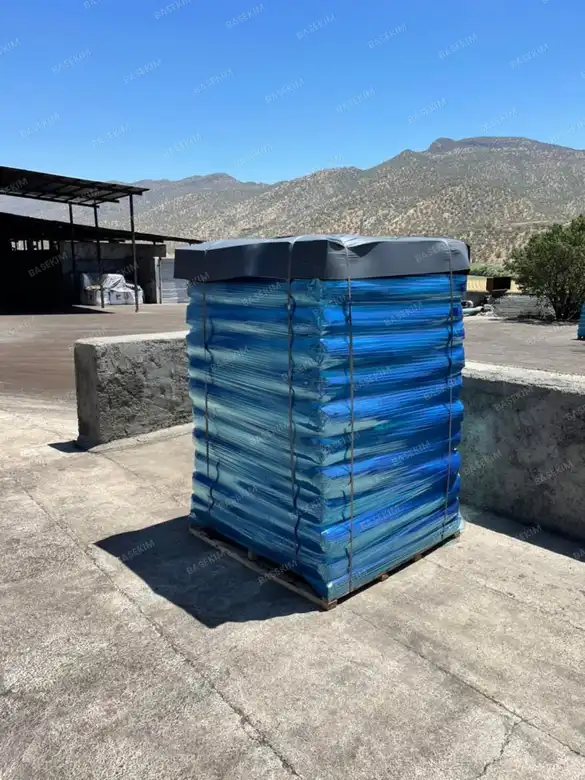
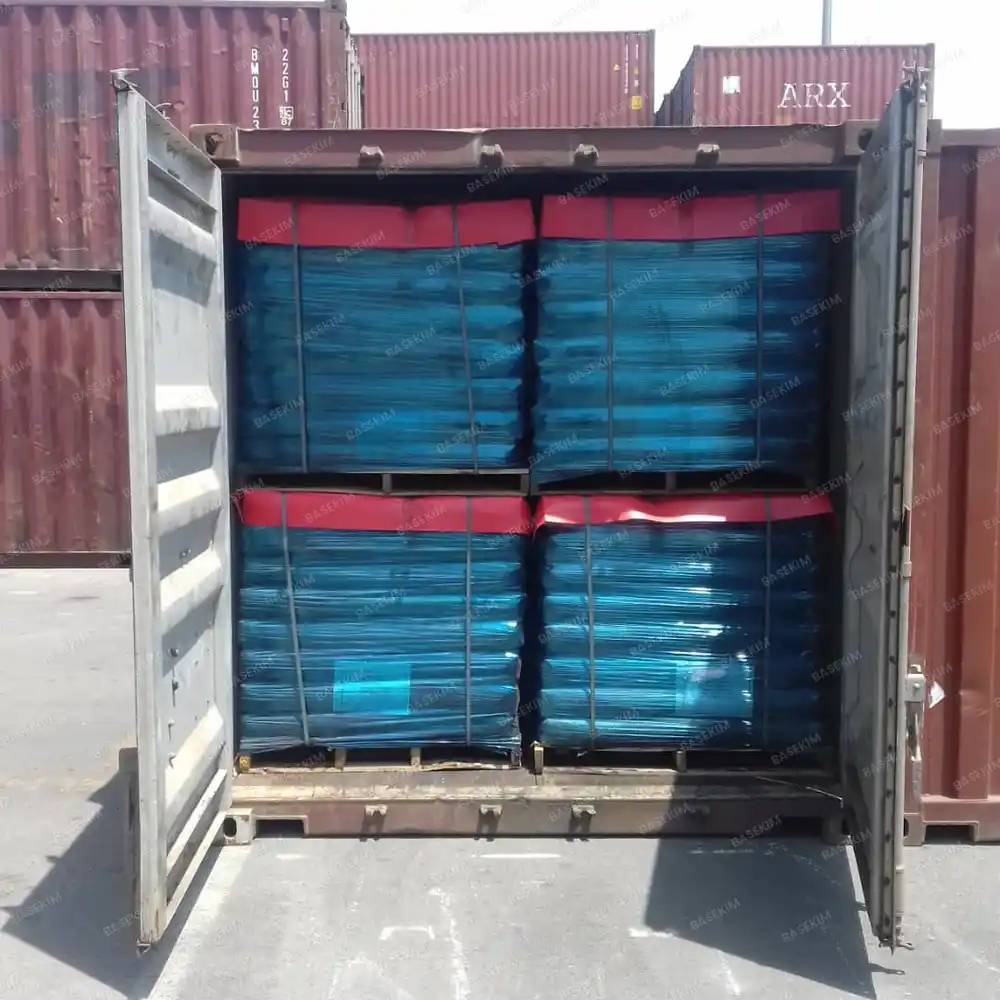
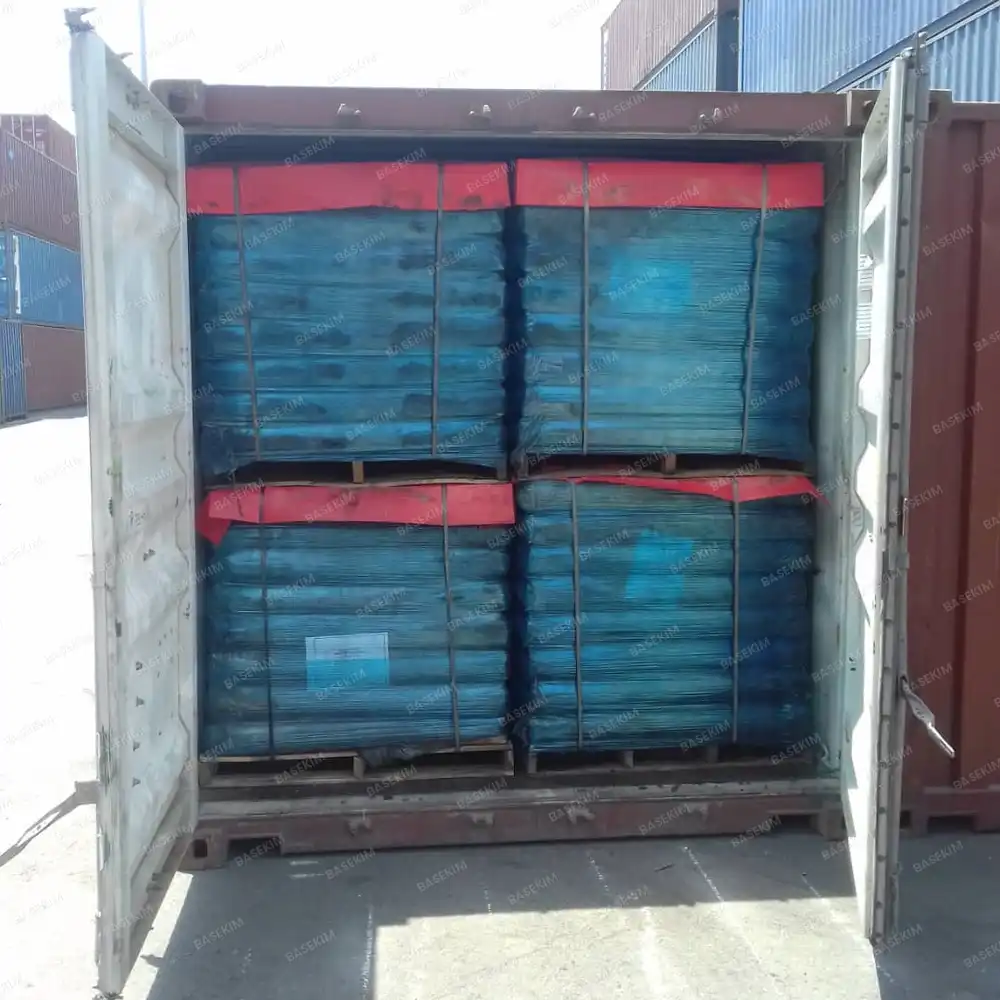
| Packing | 25 kg bags palletized; 1 MT jumbo bags. | |
Typical values. The final specification is confirmed in the COA of each shipment.
Related articles
Pipe Coating
Field Joint Coating with Bituminous Materials
Welded joints in the field need coating that matches the factory coating. Hardens mastic and tape compounds, improving…

Pipe Coating
Gilsonite Pipe Coating FAQ
Why add gilsonite to pipe enamel? To increase hardness, softening point and adhesion. Is it used in modern…
Pipe Coating
Bituminous Coatings for Sewer and Drainage Pipes
Concrete and ductile iron sewer pipes can be coated externally with bituminous paints. Increases hardness and chemical resistance…