
Gilsonite Sealers for Airport Pavements
Airports use surface treatments to extend asphalt life and resist fuel spills.
Benefits
- Restores binder at the surface
- Improves resistance to oxidation
- Helps resist fuel and oil
Considerations
Friction must be maintained; follow aviation authority guidance.

Special airport requirements
- Skid resistance must stay within limits
- Markings must remain visible
- Fuel and hydraulic fluid spills are common
- Foreign object debris (FOD) must be avoided
Uses of gilsonite sealers
Gilsonite-based sealers and rejuvenators have been used on taxiways, aprons and runway shoulders to restore surface binder and slow oxidation.
Practical notes
- Follow the airport authority’s specifications and friction testing requirements.
- Apply during low-traffic windows with careful coordination.
- Add fine sand where friction needs to be maintained.
Benefits
Extends pavement life, reduces ravelling and FOD, and restores a uniform appearance.
Recommended product
Sealer & Filler Grade Gilsonite
| Property | Typical value | Test method |
|---|---|---|
| Appearance | Black powder | Visual |
| Softening point (R&B) | 150 – 180 °C | ASTM D36 |
| Ash content, max | 5 % | ASTM D3174 |
| Moisture, max | 1 % | ASTM D95 |
| Solubility in toluene, min | 98 % | ASTM D2042 |
| Particle size | ≤ 200 mesh | Sieve |
| Typical dosage | Sealer: 15 – 35 % | |
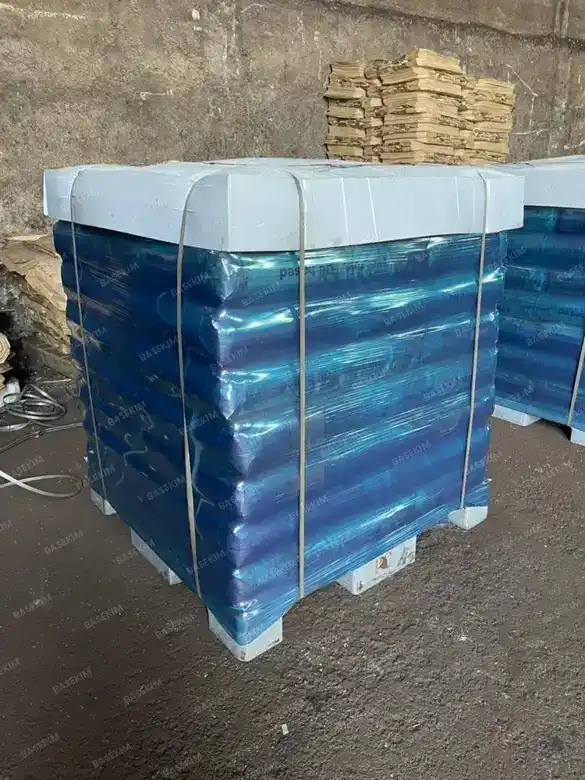
| Packing | 25 kg bags palletized. | |
Typical values. The final specification is confirmed in the COA of each shipment.
Related articles
When Is the Best Time for Crack Sealing?
Cracks are widest in cool weather, which makes spring and autumn ideal for crack sealing. Sealant placed in…
Application Tips for Gilsonite Sealers
Barricade the area and keep vehicles off until the sealer has cured – often several hours, longer in…
Rejuvenating Aged Asphalt Surfaces
Asphalt oxidizes and becomes brittle and grey over time. Treat early, before cracking becomes extensive. Oxygen and UV…