
Sealer and Filler FAQ
How long does gilsonite sealer last?
Typically 2–4 years.
Can I seal new asphalt?
Wait until it has cured, often several months.
Does sealer fix cracks?
No, fill cracks first.
Is it slippery?
Some sealers include sand for traction.
What is the difference between a sealer and a filler?
A sealer is a thin coating that protects the surface. A filler or crack sealant fills individual cracks or joints.
Can sealer be applied over cracks?
Seal cracks first; sealer alone cannot bridge them.
How long before traffic can return?
Usually several hours to a day, depending on product and weather.
Why does my sealer look patchy?
Uneven application, dirty surfaces or applying in cool, humid weather.
Which gilsonite grade do sealer manufacturers use?
Highly soluble, low-ash grades that dissolve quickly in solvent or hot bitumen.
Does sealer make the surface slippery?
Freshly sealed surfaces can be smoother; many products add fine sand for traction.
See sealer and filler grade gilsonite.
Recommended product
Sealer & Filler Grade Gilsonite
| Property | Typical value | Test method |
|---|---|---|
| Appearance | Black powder | Visual |
| Softening point (R&B) | 150 – 180 °C | ASTM D36 |
| Ash content, max | 5 % | ASTM D3174 |
| Moisture, max | 1 % | ASTM D95 |
| Solubility in toluene, min | 98 % | ASTM D2042 |
| Particle size | ≤ 200 mesh | Sieve |
| Typical dosage | Sealer: 15 – 35 % | |
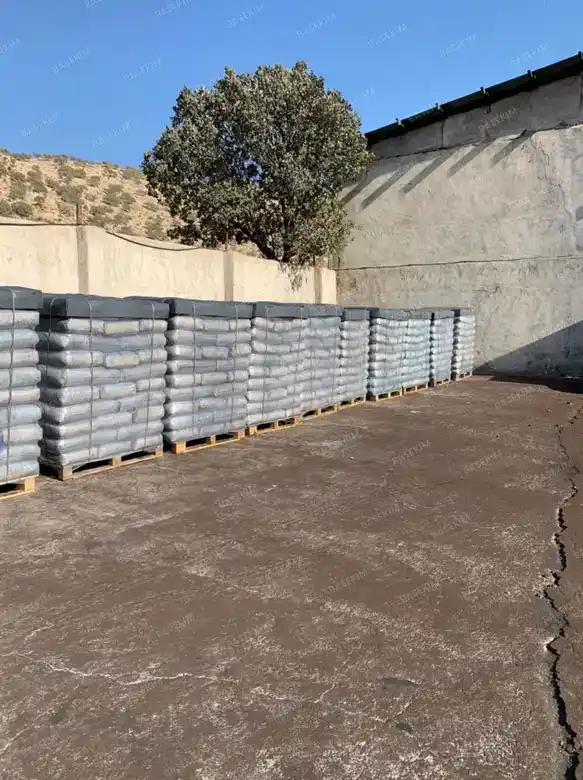
| Packing | 25 kg bags palletized. | |
Typical values. The final specification is confirmed in the COA of each shipment.
Related articles
Gilsonite in Cold Patch and Pothole Repair Mixes
Cold patch mixes repair potholes quickly without hot asphalt. Improves cohesion and stiffness after curing, helping patches stay…

Estimating Sealer Coverage
Coverage depends on surface texture and age. Always follow the product data sheet. A 1,000 m² car park…

Formulating a Gilsonite Pavement Sealer
Drying time, film flexibility, water resistance and colour. Drying time, film flexibility, adhesion to aged asphalt, water resistance…