
Gilsonite as an Industrial Additive: Overview

Beyond its major markets, gilsonite is a versatile additive in many industrial products.
Why formulators use it
- Natural hydrocarbon resin
- Hardness and high softening point
- Excellent adhesion
- Water and chemical resistance
- Deep black colour
- Cost-effective
Additive markets
- Rubber compounding
- Adhesives
- Briquetting binders
- Insulation and electrical compounds
- Plastics colouring
- Lubricants and greases
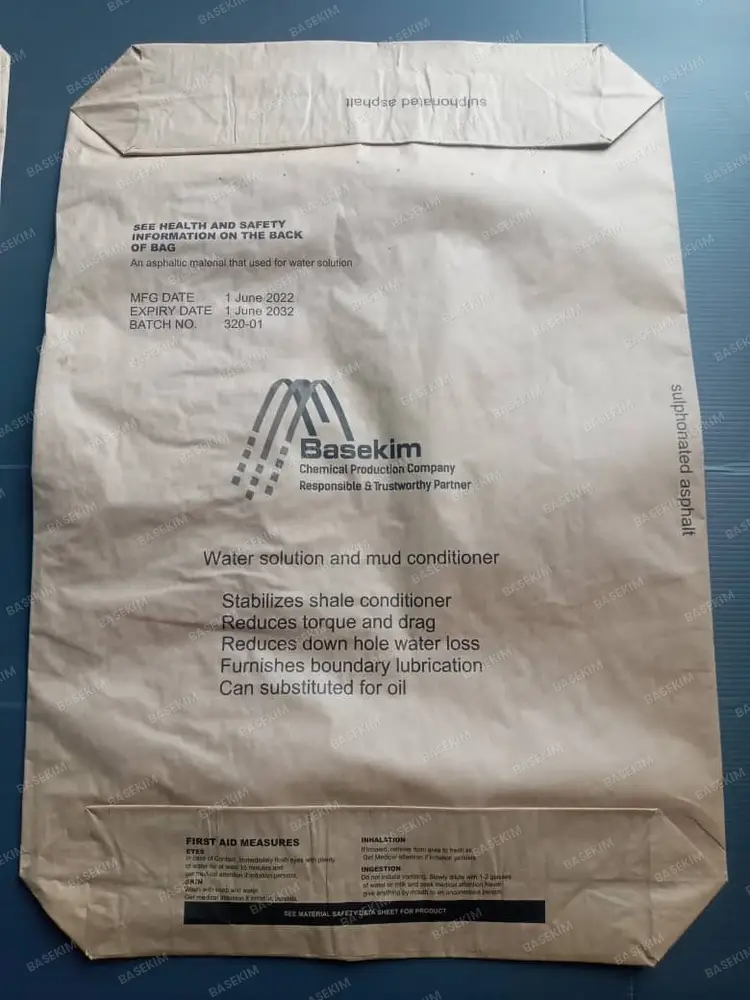
Why a natural resin is useful
Gilsonite combines several properties that are hard to find in one material: it is hard at room temperature but melts and dissolves when heated, it is very water-resistant, it bonds well to minerals and metals, and it adds deep black colour. For many black or dark products, it can replace part of a synthetic resin at lower cost.
Choosing a grade for compounding
| Need | Recommended grade |
|---|---|
| Fast dissolution, smooth films | Micronized gilsonite (300–600 mesh) |
| General compounding | Gilsonite powder (100–200 mesh) |
| Melting in large batches | Gilsonite lump |
How to start
- Identify the property you want to improve (hardness, water resistance, cost, colour).
- Try 3–4 dosage levels in the lab.
- Check processing (mixing temperature, viscosity) and final properties.
- Scale up with a pilot batch.
Points to watch
Gilsonite is dark, so it is limited to black or dark products. It also needs enough heat or solvent to dissolve fully; undissolved particles can act as defects.
Recommended product
Gilsonite Powder
| Property | Typical value | Test method |
|---|---|---|
| Appearance | Black to dark brown powder | Visual |
| Particle size | 100 – 200 mesh | Sieve |
| Softening point (R&B) | 150 – 220 °C | ASTM D36 |
| Ash content, max | 5 % | ASTM D3174 |
| Moisture, max | 1 % | ASTM D95 |
| Volatile matter | 55 – 75 % | ASTM D3175 |
| Solubility in toluene, min | 99 % | ASTM D2042 |
| Specific gravity @ 25°C | 1.04 – 1.10 | ASTM D70 |
| Typical dosage | Drilling 2–8 lb/bbl · asphalt 4–12 % of binder · foundry 0.3–1.0 % | |
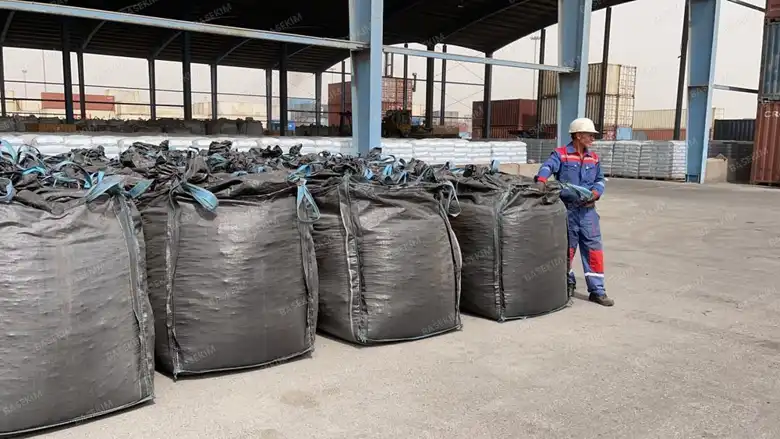
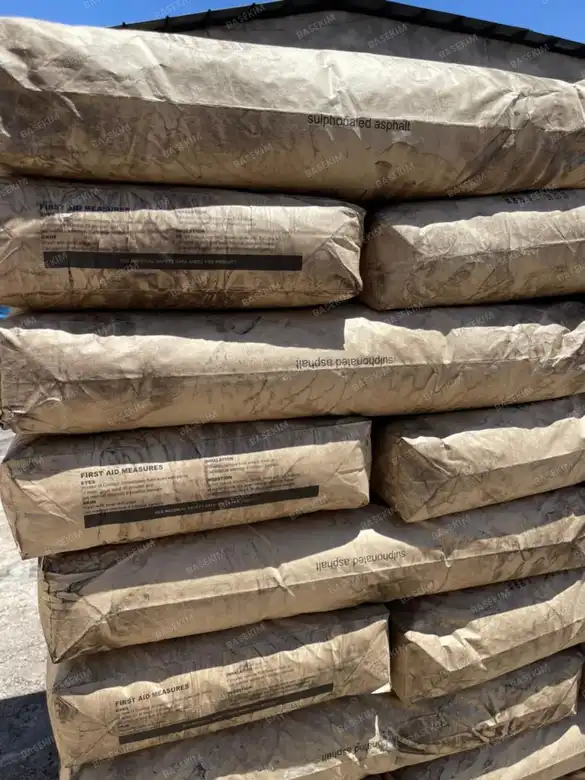
| Packing | 25 kg multi-wall paper or PP bags, palletized and stretch-wrapped; 1 MT jumbo bags. | |
Typical values. The final specification is confirmed in the COA of each shipment.
Related articles
Gilsonite Additives FAQ
Can gilsonite replace synthetic resins? In many black or dark formulations, partly or fully. Which grade is best…
Gilsonite in Rubber Compounding
Gilsonite has been used as a processing aid and extender in rubber. Hoses, belts, mats, seals and some…

Gilsonite in Adhesives and Hot Melts
Gilsonite adds tack, hardness and water resistance to bituminous and some hot-melt adhesives. Dissolve gilsonite in hot bitumen…