
Gilsonite in Rubber Compounding
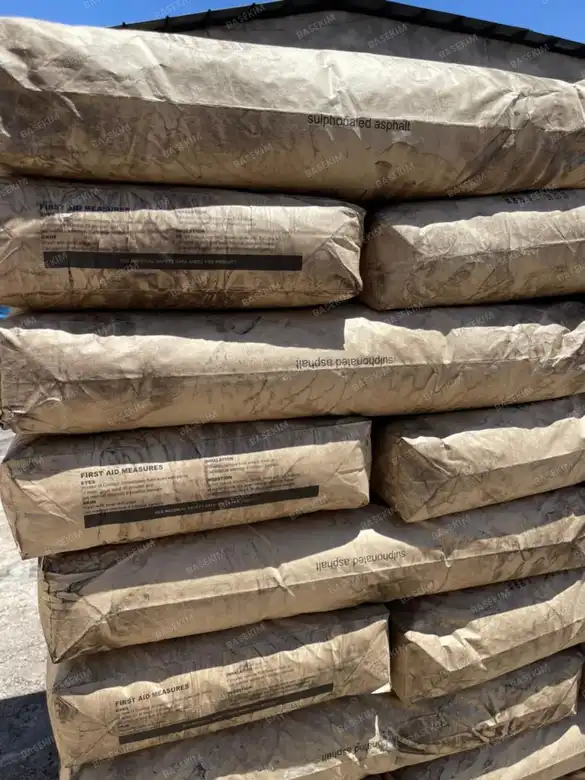
Gilsonite has been used as a processing aid and extender in rubber.
Benefits
- Improves processability and tack
- Acts as a softener at processing temperature and reinforcer at room temperature
- Improves water resistance
- Can partially replace other resins
Applications
Hoses, belts, mats, seals and some tyre compounds.
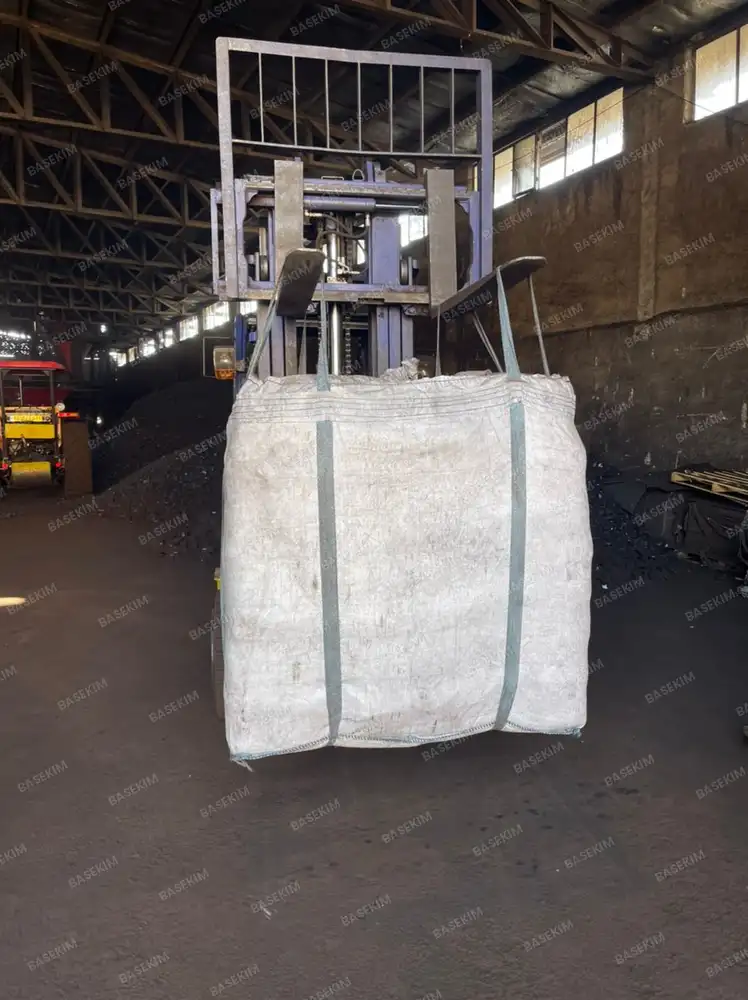
How gilsonite behaves in rubber
At mixing temperatures (typically 100–150 °C) gilsonite softens and acts as a processing aid, improving flow and tack. After cooling it becomes hard again and can increase compound hardness and modulus.
Typical effects
| Property | Typical effect |
|---|---|
| Mixing and extrusion | Easier processing |
| Tack | Improved |
| Hardness / modulus | Increased |
| Water resistance | Improved |
| Cost | Can reduce compound cost |
Dosage
Common starting levels are 5–20 phr (parts per hundred rubber), depending on the polymer and target properties.
Compatibility
Gilsonite works best with non-polar rubbers such as natural rubber, SBR and EPDM. Always check its effect on cure rate, tensile strength and ageing, because asphaltic materials can interact with cure systems.
Grade
Use micronized gilsonite for fast, uniform dispersion.
Use micronized gilsonite. Test effect on cure and physical properties.
Recommended product
Micronized Gilsonite
| Property | Typical value | Test method |
|---|---|---|
| Appearance | Dark brown fine powder | Visual |
| Particle size | 300 – 600 mesh | Laser / sieve |
| Softening point (R&B) | 150 – 180 °C | ASTM D36 |
| Ash content, max | 3 % | ASTM D3174 |
| Moisture, max | 1 % | ASTM D95 |
| Solubility in toluene, min | 99 % | ASTM D2042 |
| Specific gravity @ 25°C | 1.04 – 1.06 | ASTM D70 |
| Typical dosage | Ink varnish: 20–40 % in oil. | |
| Packing | 25 kg multi-wall paper bags with PE liner, palletized. | |
Typical values. The final specification is confirmed in the COA of each shipment.
Related articles

Gilsonite in Adhesives and Hot Melts
Gilsonite adds tack, hardness and water resistance to bituminous and some hot-melt adhesives. Dissolve gilsonite in hot bitumen…

Environmental Profile of Gilsonite
Gilsonite is a natural material that requires relatively simple processing: sorting, crushing and milling. Gilsonite requires relatively simple…
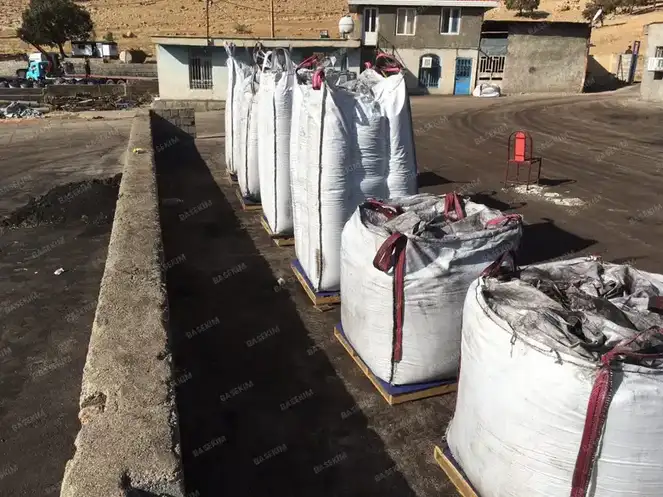
Evaluating Gilsonite for a New Application
After lab success, run a pilot batch in production equipment, check processing and quality, then agree a written…