
Environmental Profile of Gilsonite

Gilsonite is a natural material that requires relatively simple processing: sorting, crushing and milling.
Considerations
- Mining impacts managed through responsible practice
- Low processing energy compared with many synthetic resins
- Dust control during handling
Processing footprint
Gilsonite requires relatively simple processing compared with many synthetic resins: mining, sorting, crushing, milling and packing. There is no chemical reaction step for most grades.
Handling and dust
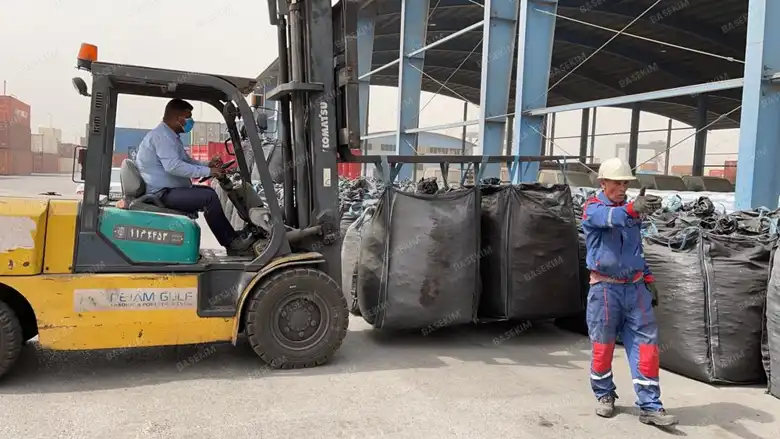
Fine powder can create dust during transfer. Good practice includes enclosed transfer, local exhaust ventilation and dust masks. Dust control also prevents product loss.
In-use benefits
- In asphalt, longer pavement life can mean fewer resurfacing operations.
- In foundries, lower additive dosage can reduce total carbon added to sand.
- In drilling, effective fluid loss control can reduce mud losses.
End of life
Gilsonite-modified asphalt can be milled and recycled like ordinary asphalt. Packaging should be disposed of according to local rules.
See gilsonite powder.
Recommended product
Gilsonite Powder
| Property | Typical value | Test method |
|---|---|---|
| Appearance | Black to dark brown powder | Visual |
| Particle size | 100 – 200 mesh | Sieve |
| Softening point (R&B) | 150 – 220 °C | ASTM D36 |
| Ash content, max | 5 % | ASTM D3174 |
| Moisture, max | 1 % | ASTM D95 |
| Volatile matter | 55 – 75 % | ASTM D3175 |
| Solubility in toluene, min | 99 % | ASTM D2042 |
| Specific gravity @ 25°C | 1.04 – 1.10 | ASTM D70 |
| Typical dosage | Drilling 2–8 lb/bbl · asphalt 4–12 % of binder · foundry 0.3–1.0 % | |
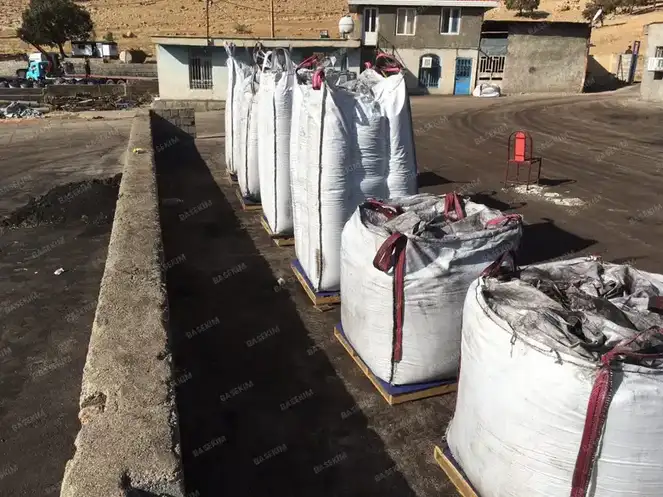
| Packing | 25 kg multi-wall paper or PP bags, palletized and stretch-wrapped; 1 MT jumbo bags. | |
Typical values. The final specification is confirmed in the COA of each shipment.
Related articles

Gilsonite in Adhesives and Hot Melts
Gilsonite adds tack, hardness and water resistance to bituminous and some hot-melt adhesives. Dissolve gilsonite in hot bitumen…
Evaluating Gilsonite for a New Application
After lab success, run a pilot batch in production equipment, check processing and quality, then agree a written…
How to Request Gilsonite Samples and Quotations
Testing a sample is the best way to confirm that a gilsonite grade fits your process. Share your…