
Evaluating Gilsonite for a New Application
Translate this article:
Steps
- Define the property you want to improve
- Select grade (softening point, mesh, ash)
- Run small lab trials at several dosages
- Test performance and cost
- Scale up with a pilot batch
Building a test plan
| Step | What to define |
|---|---|
| Objective | Property to improve and target value |
| Variables | Gilsonite grade and dosage levels |
| Controls | Current formulation without gilsonite |
| Tests | Methods and acceptance criteria |
| Cost | Price per unit of final product |
Common pitfalls
- Testing only one dosage – always run a series.
- Not dissolving gilsonite fully – undissolved particles distort results.
- Changing several variables at once.
Scale-up
After lab success, run a pilot batch in production equipment, check processing and quality, then agree a written specification with the supplier for regular orders.
We can supply samples and technical data. See gilsonite powder.
Recommended product
Data sheet
Gilsonite Powder
| Property | Typical value | Test method |
|---|---|---|
| Appearance | Black to dark brown powder | Visual |
| Particle size | 100 – 200 mesh | Sieve |
| Softening point (R&B) | 150 – 220 °C | ASTM D36 |
| Ash content, max | 5 % | ASTM D3174 |
| Moisture, max | 1 % | ASTM D95 |
| Volatile matter | 55 – 75 % | ASTM D3175 |
| Solubility in toluene, min | 99 % | ASTM D2042 |
| Specific gravity @ 25°C | 1.04 – 1.10 | ASTM D70 |
| Typical dosage | Drilling 2–8 lb/bbl · asphalt 4–12 % of binder · foundry 0.3–1.0 % | |
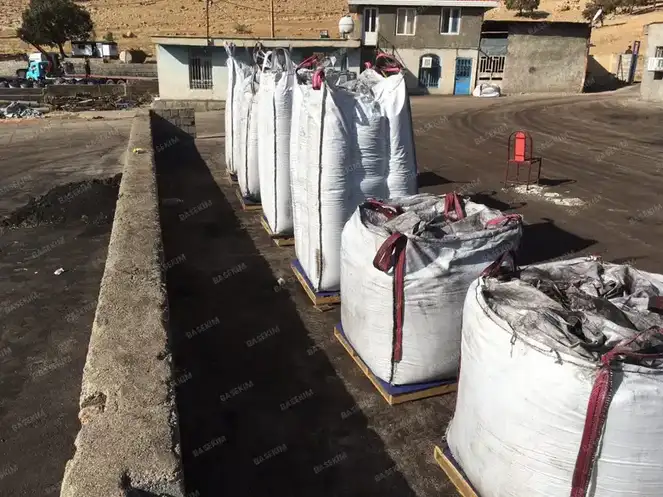
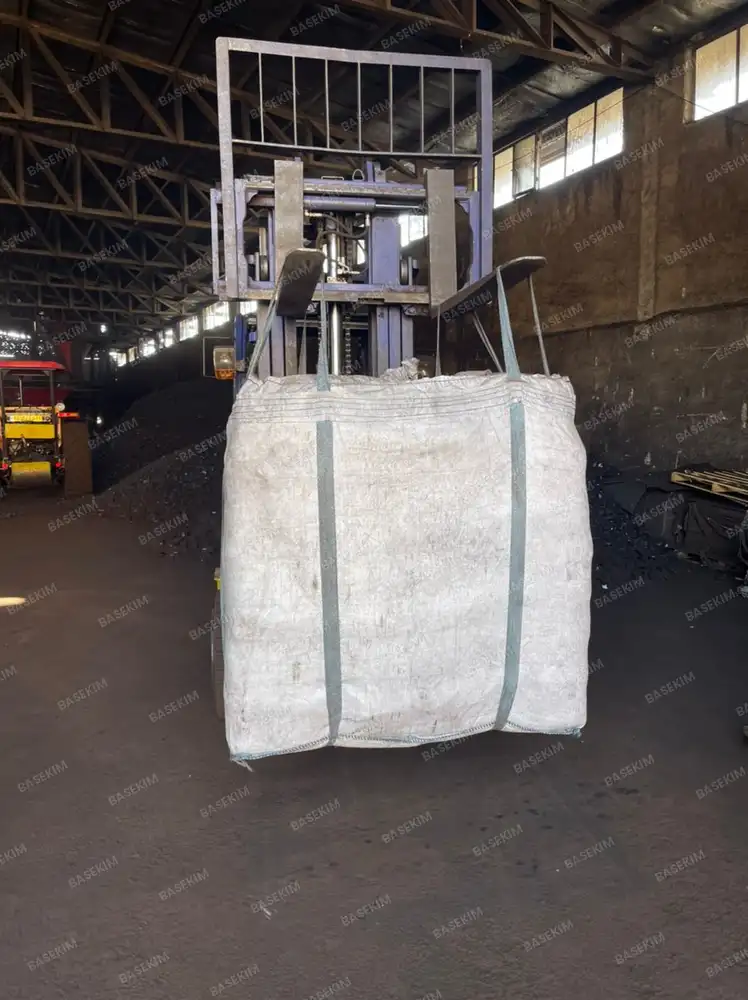
| Packing | 25 kg multi-wall paper or PP bags, palletized and stretch-wrapped; 1 MT jumbo bags. | |
Typical values. The final specification is confirmed in the COA of each shipment.
Related articles

Additives
Gilsonite in Sound-Deadening Materials
Bituminous sound-deadening pads and coatings use fillers and binders to damp vibration. Increases stiffness and heat resistance of…
Additives
Gilsonite in Plastics and Masterbatches
Gilsonite can be used to colour and modify some plastics. Gilsonite is not a replacement for carbon black…

Additives
Environmental Profile of Gilsonite
Gilsonite is a natural material that requires relatively simple processing: sorting, crushing and milling. Gilsonite requires relatively simple…