
Gilsonite in Plastics and Masterbatches
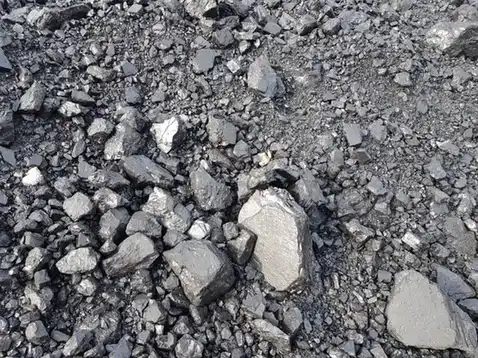
Gilsonite can be used to colour and modify some plastics.
Uses
- Black colouring of recycled plastics
- Processing aid
- Bituminous plastic compounds
Uses in plastics
- Black colouring of recycled polyolefins, where small colour variations are acceptable
- Processing aid that improves flow
- Bitumen–polymer compounds for pipes, sheets and profiles
Advantages
- Natural hydrocarbon compatible with non-polar polymers
- Adds black colour at low cost
- Can improve water resistance
Limitations
Gilsonite is not a replacement for carbon black where UV stabilization or electrical conductivity is needed. It can also affect mechanical properties at higher loadings.
Typical starting levels
1–5 % in masterbatch trials. Use micronized grades and check melt flow, impact strength and colour consistency.
Use micronized gilsonite for good dispersion.
Recommended product
Micronized Gilsonite
| Property | Typical value | Test method |
|---|---|---|
| Appearance | Dark brown fine powder | Visual |
| Particle size | 300 – 600 mesh | Laser / sieve |
| Softening point (R&B) | 150 – 180 °C | ASTM D36 |
| Ash content, max | 3 % | ASTM D3174 |
| Moisture, max | 1 % | ASTM D95 |
| Solubility in toluene, min | 99 % | ASTM D2042 |
| Specific gravity @ 25°C | 1.04 – 1.06 | ASTM D70 |
| Typical dosage | Ink varnish: 20–40 % in oil. | |
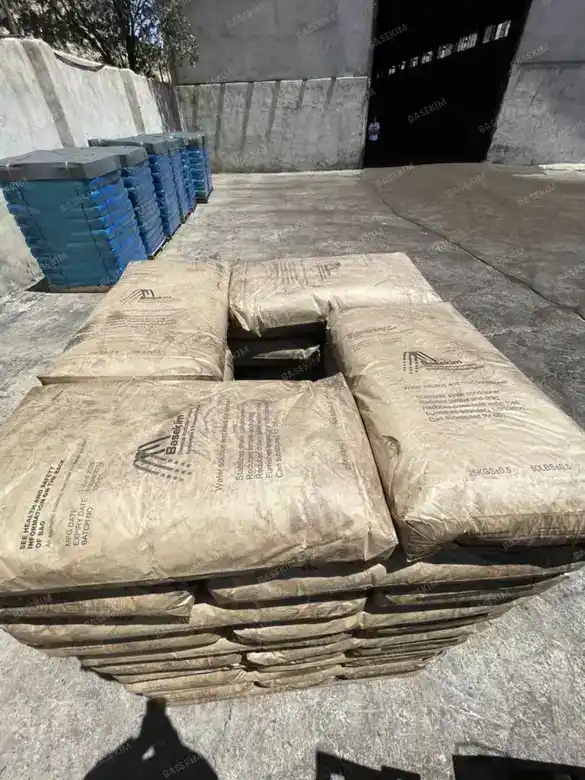
| Packing | 25 kg multi-wall paper bags with PE liner, palletized. | |
Typical values. The final specification is confirmed in the COA of each shipment.
Related articles

Gilsonite as a Carbon Source in Metallurgy
Gilsonite contains high carbon and low ash, making it a possible carbon source in some metallurgical processes. Carbon…
Gilsonite Additives FAQ
Can gilsonite replace synthetic resins? In many black or dark formulations, partly or fully. Which grade is best…

Environmental Profile of Gilsonite
Gilsonite is a natural material that requires relatively simple processing: sorting, crushing and milling. Gilsonite requires relatively simple…