
Hot-Applied Bitumen Enamel Pipe Coatings

Hot-applied bitumen enamel is one of the oldest pipeline coating systems and is still used for water pipelines and in some regions for oil and gas.
System layers
- Surface preparation (blast cleaning)
- Primer
- Hot enamel
- Reinforcement (glass fibre)
- Outer wrap
Gilsonite’s contribution
Gilsonite hardens the enamel, increasing softening point and reducing penetration so the coating resists soil stress and handling damage.
Typical properties targeted
- Softening point above 100°C for many enamels
- Low penetration
- Good flexibility at installation temperature
Application sequence
- Blast cleaning to the specified cleanliness and roughness.
- Priming with a compatible bituminous primer.
- Hot enamel applied at controlled temperature.
- Inner wrap of glass fibre embedded in the enamel.
- Second enamel layer and outer wrap for mechanical protection.
Process control
| Parameter | Why it matters |
|---|---|
| Enamel temperature | Too hot ages enamel; too cold gives poor wetting |
| Thickness | Too thin reduces protection |
| Pipe temperature | Cold pipes cause poor bond |
Testing
Holiday detection with a spark tester, thickness measurement and peel adhesion tests confirm quality.
Recommended product
Coating & Waterproofing Grade Gilsonite
| Property | Typical value | Test method |
|---|---|---|
| Appearance | Black powder | Visual |
| Softening point (R&B) | 150 – 200 °C | ASTM D36 |
| Ash content, max | 5 % | ASTM D3174 |
| Moisture, max | 1 % | ASTM D95 |
| Solubility in TCE, min | 97 % | ASTM D2042 |
| Particle size | ≤ 200 mesh | Sieve |
| Typical dosage | 5 – 25 % of compound | |
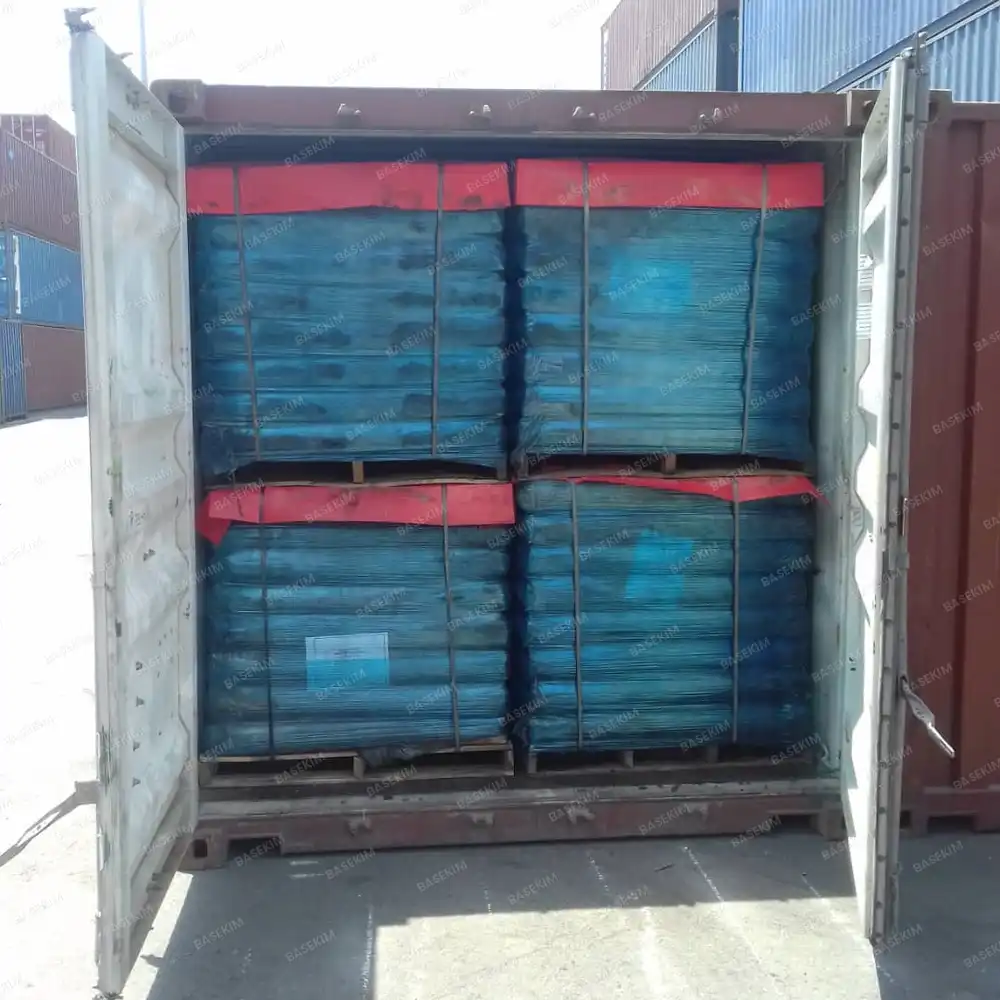
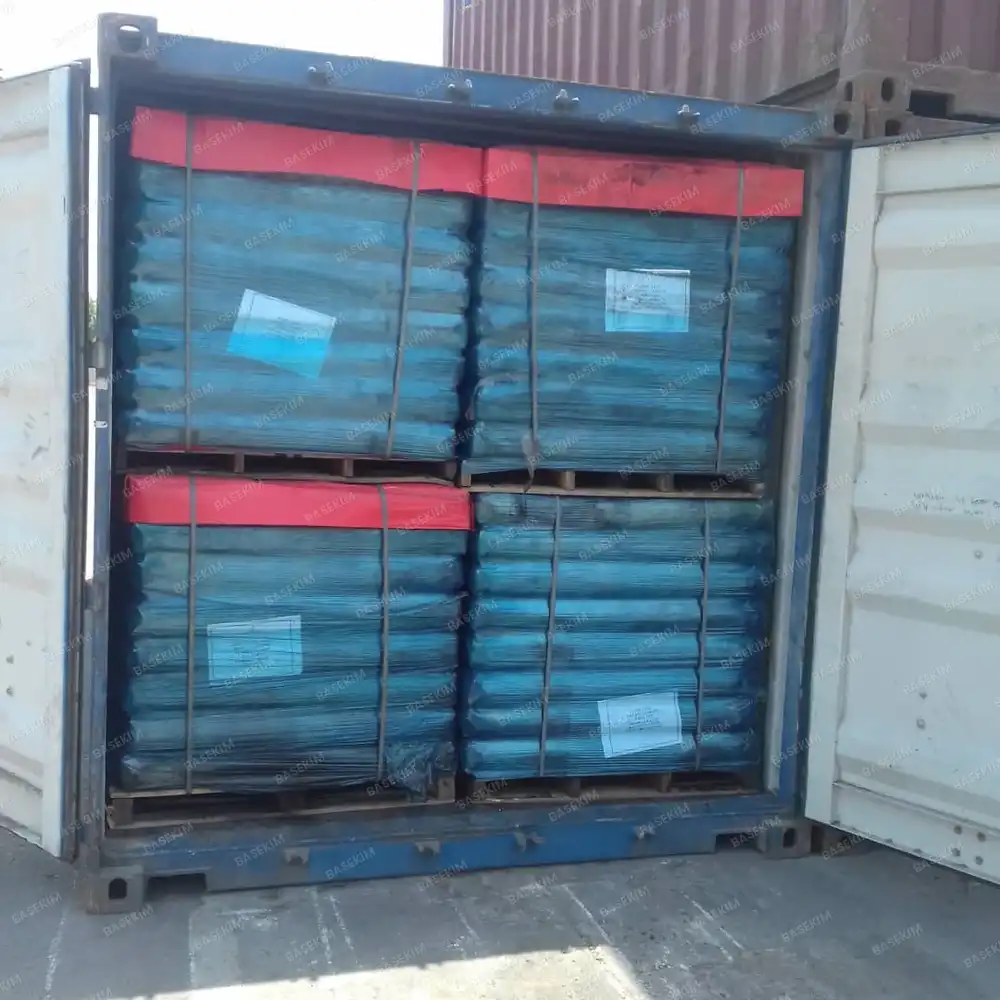
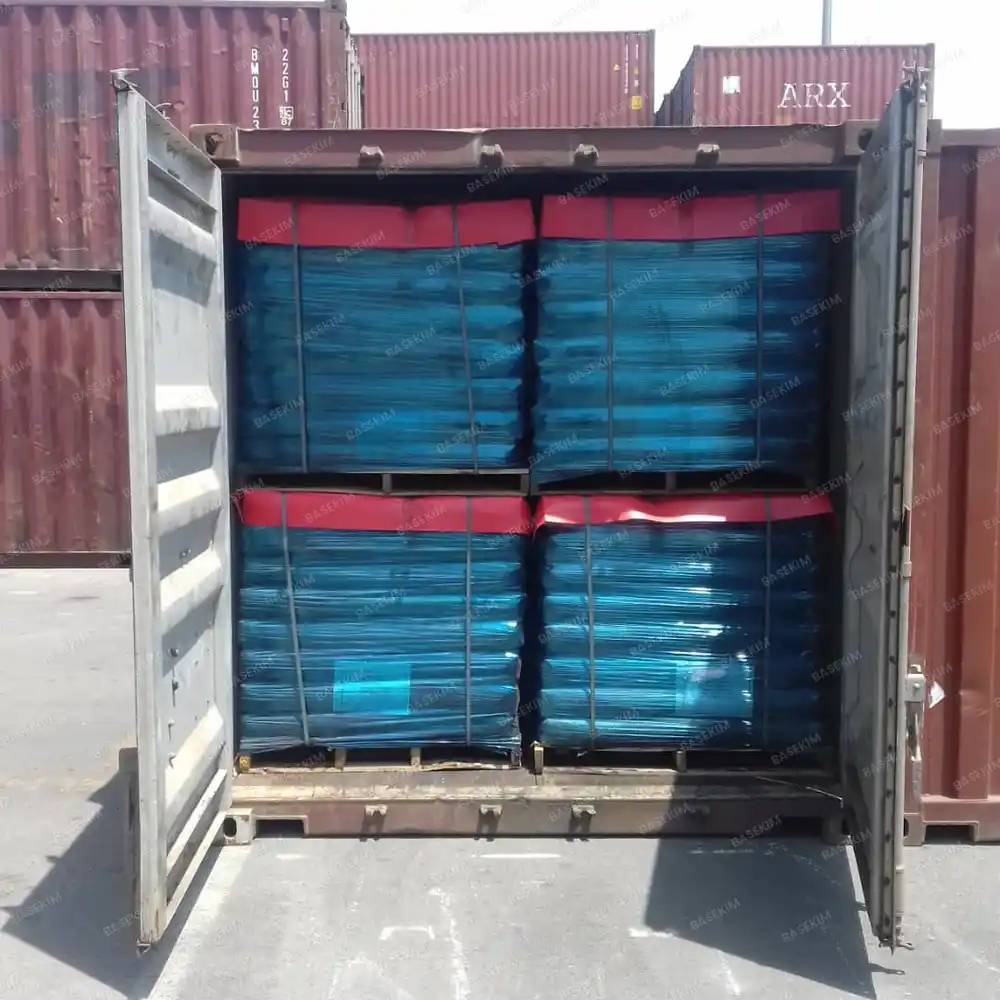
| Packing | 25 kg bags palletized; 1 MT jumbo bags. | |
Typical values. The final specification is confirmed in the COA of each shipment.
Related articles
Pipe Coatings for Hot Climates
High ground temperatures soften bituminous coatings, causing sag and soil stress damage. Higher softening point compounds — achieved…

Coatings for Water Pipelines and Gilsonite
Water pipelines often use bituminous coatings for economy and durability. Mainly in external coatings. Internal potable water linings…
Handling Coated Pipes and Coating Materials
Harder, gilsonite-modified coatings resist handling damage better. Inspect and holiday test pipes before lowering into the trench, and…