
Gilsonite as a Briquetting Binder

Fine coal, coke and carbon fines are often pressed into briquettes. A binder holds them together.
Gilsonite benefits
- Strong binding when heated
- Water resistance
- Adds carbon value
Process
Mix fines with gilsonite powder, heat to soften, press and cool.
Why briquetting is needed
Coal fines, coke breeze, charcoal dust and carbon residues are difficult to handle and burn poorly. Pressing them into briquettes creates a uniform, transportable fuel or carbon product.
Gilsonite as a binder
When heated, gilsonite softens and coats the fine particles. On cooling and pressing it binds them into strong briquettes. Because gilsonite is itself a hydrocarbon, it adds calorific value instead of ash.
Typical process
- Dry and size the fines.
- Mix with 4–10 % gilsonite powder.
- Heat to soften the binder (often with steam or hot air).
- Press in a roller or piston press.
- Cool and cure.
Benefits
| Binder | Water resistance | Ash contribution |
|---|---|---|
| Starch / molasses | Low | Low |
| Lime / cement | Medium | High |
| Gilsonite | High | Very low |
See gilsonite powder.
Recommended product
Gilsonite Powder
| Property | Typical value | Test method |
|---|---|---|
| Appearance | Black to dark brown powder | Visual |
| Particle size | 100 – 200 mesh | Sieve |
| Softening point (R&B) | 150 – 220 °C | ASTM D36 |
| Ash content, max | 5 % | ASTM D3174 |
| Moisture, max | 1 % | ASTM D95 |
| Volatile matter | 55 – 75 % | ASTM D3175 |
| Solubility in toluene, min | 99 % | ASTM D2042 |
| Specific gravity @ 25°C | 1.04 – 1.10 | ASTM D70 |
| Typical dosage | Drilling 2–8 lb/bbl · asphalt 4–12 % of binder · foundry 0.3–1.0 % | |
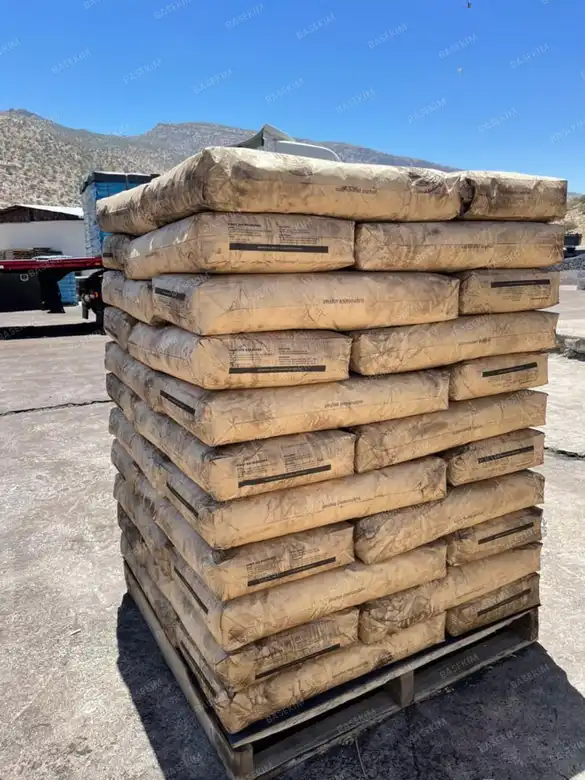
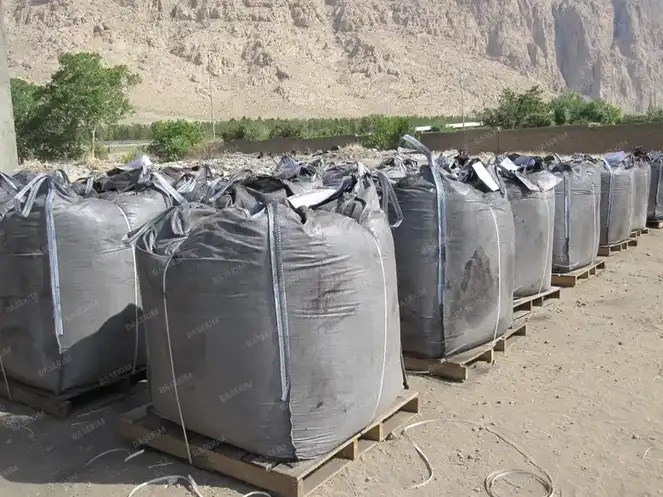
| Packing | 25 kg multi-wall paper or PP bags, palletized and stretch-wrapped; 1 MT jumbo bags. | |
Typical values. The final specification is confirmed in the COA of each shipment.
Related articles
Custom Gilsonite Blends and Grades
Some customers need special blends: specific mesh distributions, softening points or mixtures with other materials. Every process is…
Gilsonite in Refractories and Carbon Products
Carbon-containing refractories and carbon products sometimes use natural asphalts as binders or carbon sources. Refractories such as magnesia-carbon…

How to Request Gilsonite Samples and Quotations
Testing a sample is the best way to confirm that a gilsonite grade fits your process. Share your…