
Gilsonite in Core Sand and Mould Coatings
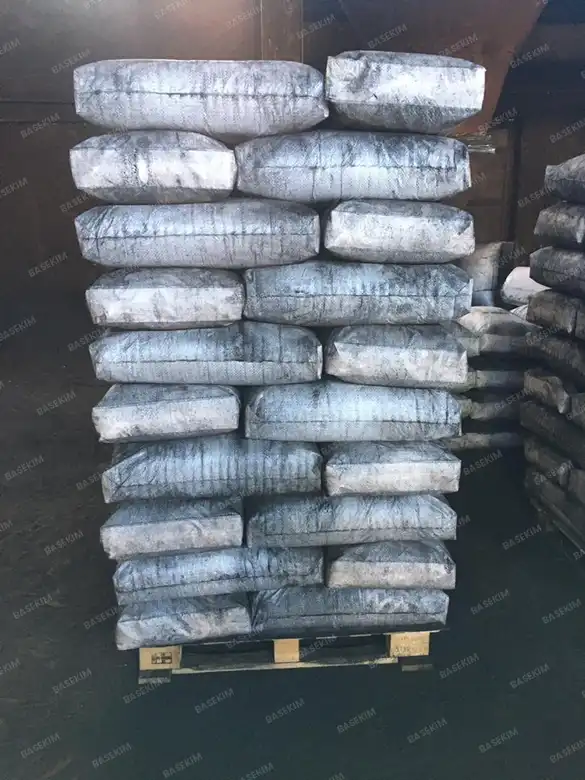
Besides green sand, gilsonite is used in some core sands and refractory coatings.
Core sand
Small additions of gilsonite to oil or resin-bonded core sand can improve collapsibility after casting and reduce veining in some systems.
Mould and core coatings
Fine micronized gilsonite can be added to refractory coatings to create a reducing atmosphere at the metal interface, improving surface finish.
Considerations
- Test compatibility with the binder system
- Watch for extra gas in cores with poor venting
Grade
Use fine grades (200–300 mesh) for coatings. See foundry grade gilsonite and micronized gilsonite.
Read gilsonite in foundry sand.
Why add carbon to cores?
Cores are surrounded by metal and become very hot. Carbon additives can improve surface finish of internal cavities and help cores collapse after casting.
Considerations by binder system
| Core binder | Notes |
|---|---|
| Oil sand | Gilsonite compatible |
| Phenolic urethane (cold box) | Test for effect on curing |
| Furan / no-bake | Use small amounts, check gas |
Venting
Extra gas must escape. Make sure core prints and vents are adequate.
Recommended product
Foundry Grade Gilsonite
| Property | Typical value | Test method |
|---|---|---|
| Appearance | Black powder | Visual |
| Particle size | 100 – 300 mesh | Sieve |
| Volatile matter | 55 – 75 % | ASTM D3175 |
| Ash content, max | 5 % | ASTM D3174 |
| Moisture, max | 1 % | ASTM D95 |
| Softening point (R&B) | 150 – 200 °C | ASTM D36 |
| Typical dosage | 0.3 – 1.0 % (iron) | |
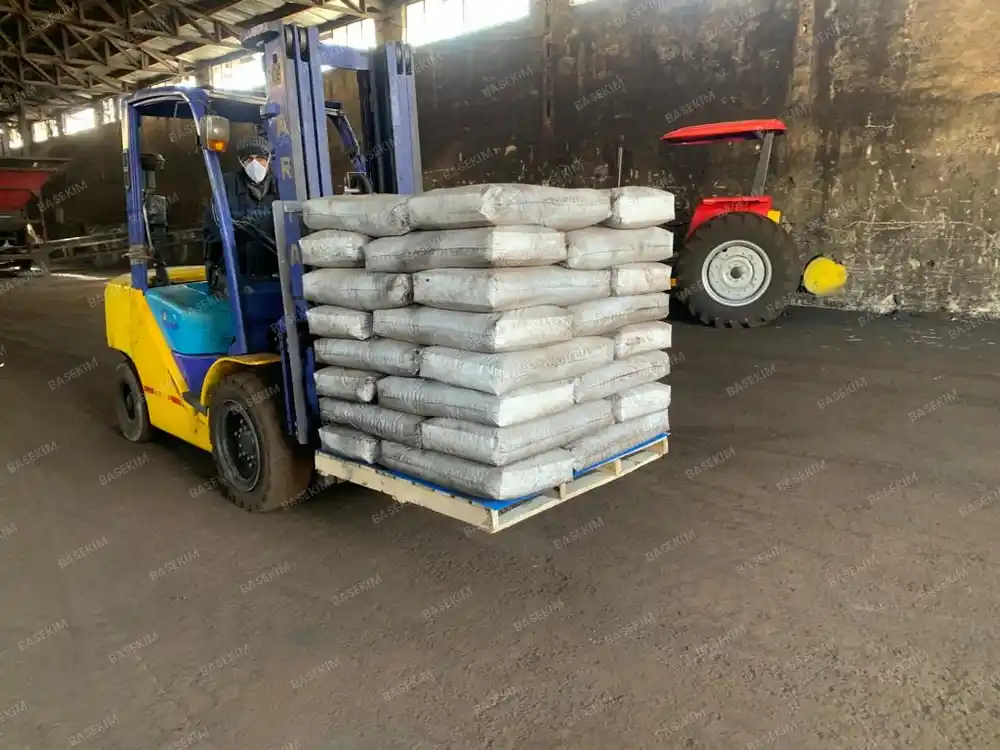
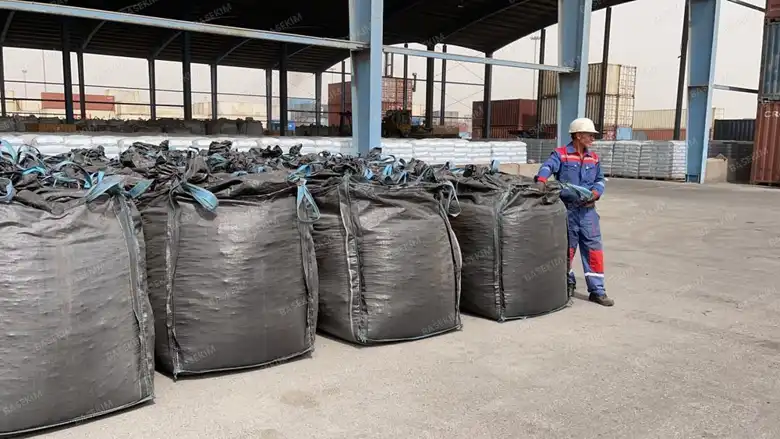
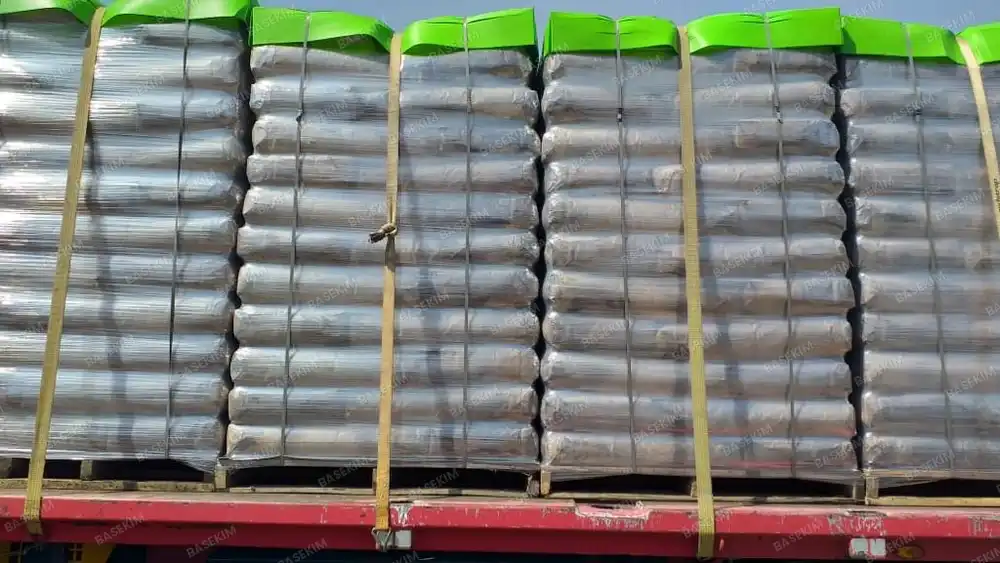
| Packing | 25 kg bags palletized; 1 MT jumbo bags for blending plants. | |
Typical values. The final specification is confirmed in the COA of each shipment.
Related articles
Can Gilsonite Be Used for Steel Castings?
Steel castings present different challenges from iron. Pouring temperatures are higher and carbon pick-up can be a concern.
Choosing Foundry Gilsonite Grades
Foundry gilsonite is offered in several particle sizes. Each suits a different need. For precision castings and fine…
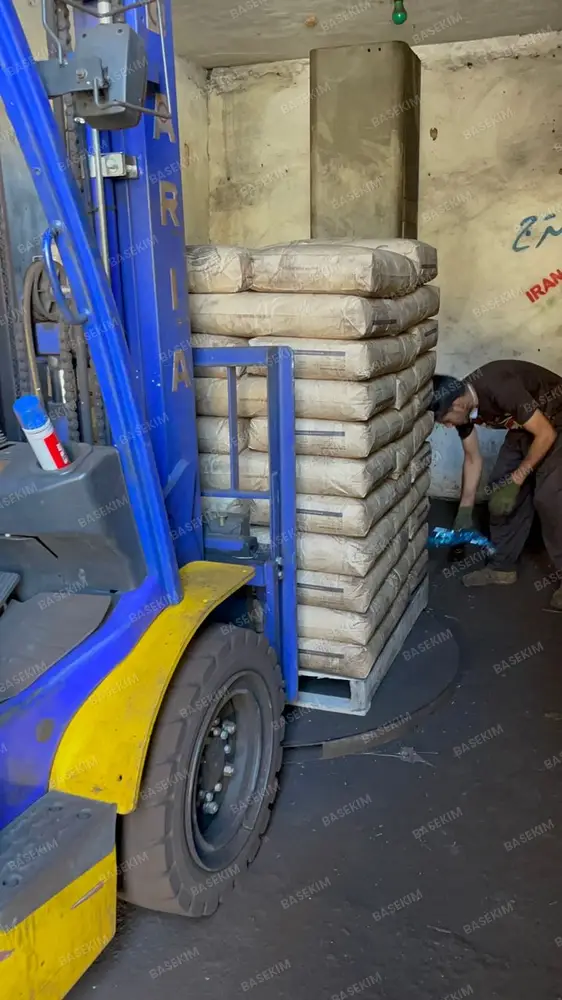
Reducing Burn-On and Metal Penetration with Gilsonite
Burn-on and metal penetration create rough casting surfaces that need costly grinding and shot blasting. Gilsonite releases hydrocarbons…