
Gilsonite for Lost Circulation and Wellbore Strengthening
Lost circulation — the loss of drilling fluid into the formation — costs the industry billions each year. Gilsonite can help, particularly for seepage losses and wellbore strengthening.
Types of losses
- Seepage losses into porous rock
- Partial losses into small fractures
- Total losses into large fractures or caverns
Gilsonite is most effective for seepage and partial losses.
Mechanism
Deformable gilsonite particles enter small fractures and pores and seal them. Combined with sized calcium carbonate or graphite, they help create a “stress cage” that strengthens the wellbore.
Treatment
- Background treatment: 4–6 lb/bbl
- LCM pills: 10–20 lb/bbl with other materials
Cementing
Gilsonite is also used in cement slurries for lost circulation control. See cementing grade gilsonite and gilsonite in oil well cementing.
Typical LCM blend for seepage losses
| Component | Purpose |
|---|---|
| Sized calcium carbonate | Bridging |
| Graphite | Resilient sealing |
| Gilsonite | Deformable sealing |
| Fibres | Mat formation |
Field steps
- Identify loss zone and rate.
- Pump an LCM pill with gilsonite.
- Allow time to seal before resuming drilling.
- Maintain background treatment through the zone.
Our drilling fluid grade is available in coarse and fine sizes for LCM blends.
Recommended product
Drilling Fluid Grade Gilsonite
| Property | Typical value | Test method |
|---|---|---|
| Appearance | Black, shiny powder | Visual |
| Softening point (R&B) | 160 – 220 °C (grades) | ASTM D36 |
| Ash content | 3 – 8 % | ASTM D3174 |
| Solubility in TCE | 95 – 99 % | ASTM D2042 |
| Specific gravity @ 25°C | 1.04 – 1.06 | ASTM D70 |
| Moisture, max | 1 % | ASTM D95 |
| Particle size | 75 – 200 µm | Sieve |
| Typical dosage | 2 – 8 lb/bbl | |
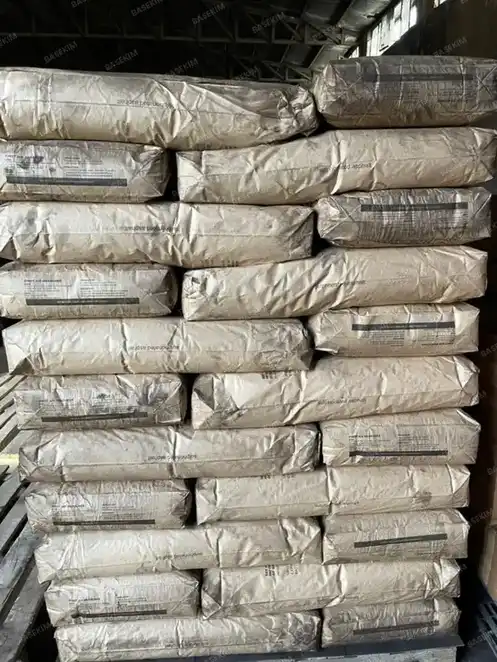
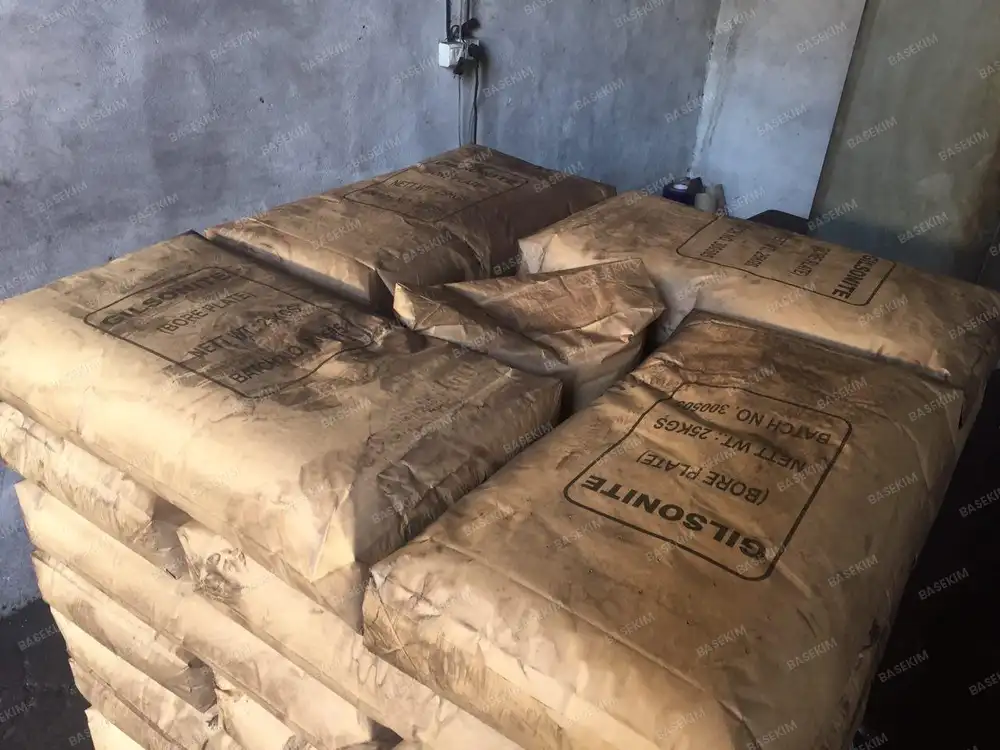
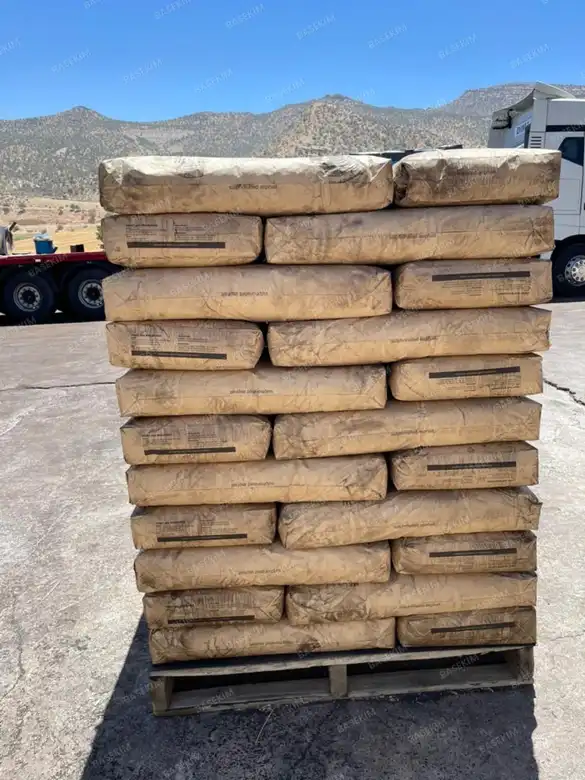
| Packing | 25 kg (50 lb) bags palletized; 1 MT jumbo bags. | |
Typical values. The final specification is confirmed in the COA of each shipment.
Related articles
Preventing Differential Sticking with Gilsonite
Differential sticking happens when the drill string is pressed into a thick filter cake by the pressure difference…
Gilsonite as a Mud Additive: Frequently Asked Questions
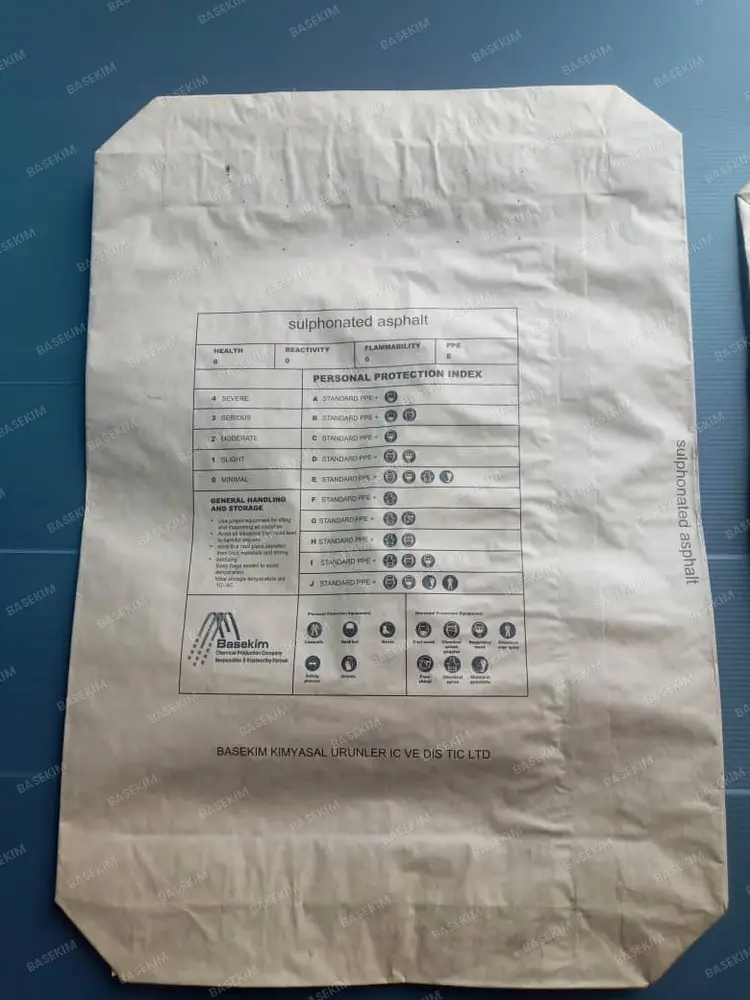
Does gilsonite work in water-based mud? Yes, especially with surfactants. For easy mixing in water, sulphonated asphalt is…
Gilsonite in Workover and Completion Fluids
Workover and completion operations use fluids that must control the well without damaging the reservoir. Gilsonite can play…