
Rehabilitation Overlays with Gilsonite Asphalt
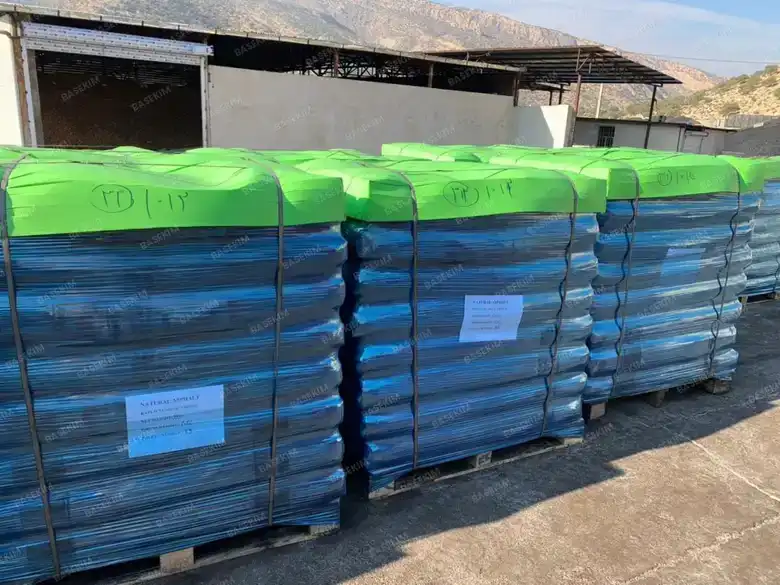
When a road reaches the end of its surface life, an overlay restores ride quality and structure. Gilsonite can make the overlay last longer.
Before overlay
- Mill rutted or cracked surface
- Repair base failures
- Seal cracks
- Apply tack coat
Overlay design
- Use gilsonite-modified mix in the surface layer for rut resistance
- Choose thickness based on traffic and condition
Reflective cracking
Very stiff overlays can reflect underlying cracks. Use interlayers or adequate thickness where cracking is severe.
Benefits
A durable overlay with longer life before the next intervention.
Overlay design checklist
| Item | Consideration |
|---|---|
| Existing condition | Cracks, ruts, structural capacity |
| Milling depth | Remove distressed layers |
| Tack coat | Ensure bond |
| Overlay thickness | Traffic and structure |
| Binder | Gilsonite-modified for rut resistance |
Managing reflective cracking
Use crack sealing, interlayers or thicker overlays where existing cracking is severe.
Recommended product
Asphalt Modifier Grade Gilsonite
| Property | Typical value | Test method |
|---|---|---|
| Appearance | Black powder or granules | Visual |
| Softening point (R&B) | 150 – 200 °C | ASTM D36 |
| Ash content, max | 8 % | ASTM D3174 |
| Moisture, max | 1 % | ASTM D95 |
| Solubility in TCE, min | 95 % | ASTM D2042 |
| Specific gravity @ 25°C | 1.04 – 1.10 | ASTM D70 |
| Particle size | Powder ≤ 200 mesh / granular 1–5 mm | Sieve |
| Typical dosage | 4 – 12 % by weight of binder | |
| Packing | 25 kg bags, meltable bags or 1 MT jumbo bags. | |
Typical values. The final specification is confirmed in the COA of each shipment.
Related articles
Compaction Tips for Gilsonite-Modified Asphalt
Good compaction is critical for any asphalt, and gilsonite-modified mixes are no exception. Gilsonite increases binder viscosity. Mixes…
Quality Control on Gilsonite Paving Projects
A gilsonite-modified pavement is only as good as the quality control behind it. Keep batch numbers of gilsonite…
Pavement Preservation with Gilsonite-Based Products
Pavement preservation means treating roads while they are still in good condition to extend their life at low…