
Tunnel and Underground Structure Waterproofing
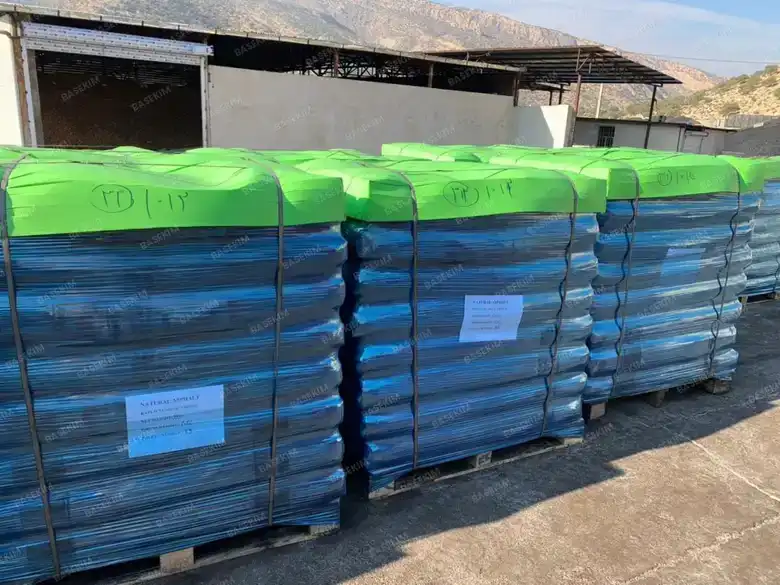
Underground structures face constant water pressure.
Bituminous options
- Sheet membranes
- Hot-applied coatings
- Mastic asphalt
Gilsonite benefit
Improves hardness and resistance to soil and water pressure.

Design considerations
Underground structures may be under constant hydrostatic pressure. The waterproofing system must be continuous, well detailed and protected from damage during backfilling or concrete placement.
Bituminous options compared
| System | Typical use | Key advantage |
|---|---|---|
| Torch-applied membranes | Cut-and-cover tunnels, basements | Thick, reinforced, proven |
| Hot-applied compounds | Decks and slabs | Seamless |
| Mastic asphalt | Roof slabs of tunnels | Very durable, traffic-resistant |
| Solvent coatings | Dampproofing | Economical, quick |
Contribution of gilsonite
Gilsonite raises the hardness of compounds, improving resistance to indentation from soil, rock and backfill, and lowers cold flow under constant pressure.
Quality control
Inspect continuity, overlaps and adhesion before covering. Repairs after backfilling are extremely costly.
Recommended product
Coating & Waterproofing Grade Gilsonite
| Property | Typical value | Test method |
|---|---|---|
| Appearance | Black powder | Visual |
| Softening point (R&B) | 150 – 200 °C | ASTM D36 |
| Ash content, max | 5 % | ASTM D3174 |
| Moisture, max | 1 % | ASTM D95 |
| Solubility in TCE, min | 97 % | ASTM D2042 |
| Particle size | ≤ 200 mesh | Sieve |
| Typical dosage | 5 – 25 % of compound | |
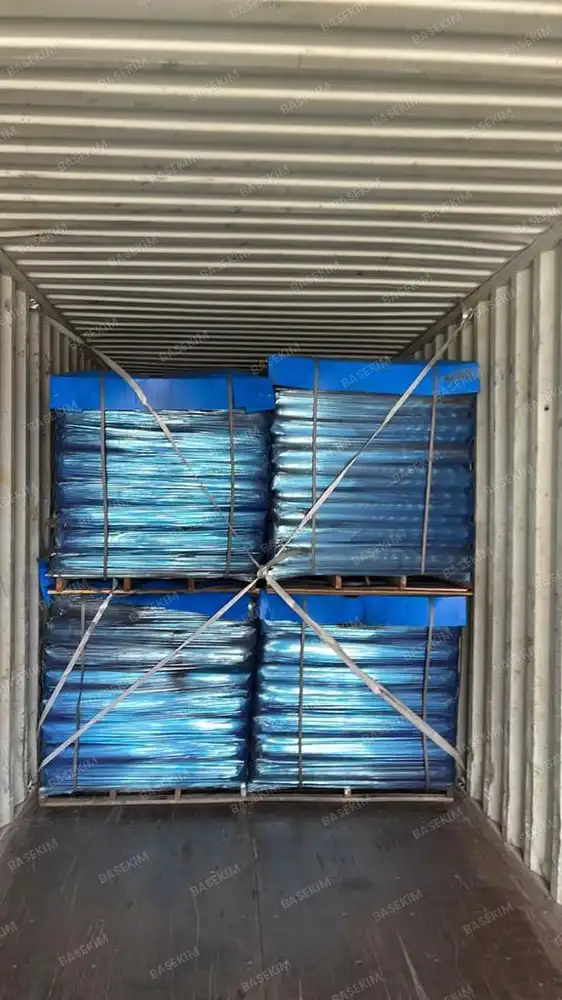
| Packing | 25 kg bags palletized; 1 MT jumbo bags. | |
Typical values. The final specification is confirmed in the COA of each shipment.
Related articles
Gilsonite for Bridge Deck Waterproofing
Water and de-icing salts penetrating bridge decks corrode reinforcement. Waterproofing layers prevent this. Hardens mastic and membrane compounds,…

Formulating Gilsonite Waterproofing Compounds
Softening point, flexibility, adhesion and water absorption. Softening point, sag on a vertical panel, drying time, flexibility over…

Flat Roof Waterproofing with Gilsonite Products
Flat roofs collect water and experience high temperatures. Heat resistance, water resistance and durability. Gilsonite raises the heat…