
Gilsonite in Waterproofing Emulsions

Water-based bitumen emulsions are easy to apply and low in VOC.
Adding gilsonite
Gilsonite is first dissolved in hot bitumen, then the blend is emulsified.
Benefits
Harder, more heat-resistant film after drying.

How emulsions work
Bitumen is dispersed as fine droplets in water with emulsifiers. After application the water evaporates, the droplets coalesce and a continuous film forms.
Making a gilsonite emulsion
- Dissolve gilsonite in hot bitumen (typically 5–15 %).
- Feed the hot blend and an emulsifier solution into a colloid mill.
- Adjust pH and viscosity, and add fillers or polymers if required.
Advantages
- Low odour and low VOC
- Can be applied on slightly damp surfaces (always check the data sheet)
- Tools clean with water before curing
Limitations
Emulsions must not freeze in storage, and they cure slowly in cold or humid weather. Rain soon after application can wash off uncured material.
Recommended product
Coating & Waterproofing Grade Gilsonite
| Property | Typical value | Test method |
|---|---|---|
| Appearance | Black powder | Visual |
| Softening point (R&B) | 150 – 200 °C | ASTM D36 |
| Ash content, max | 5 % | ASTM D3174 |
| Moisture, max | 1 % | ASTM D95 |
| Solubility in TCE, min | 97 % | ASTM D2042 |
| Particle size | ≤ 200 mesh | Sieve |
| Typical dosage | 5 – 25 % of compound | |
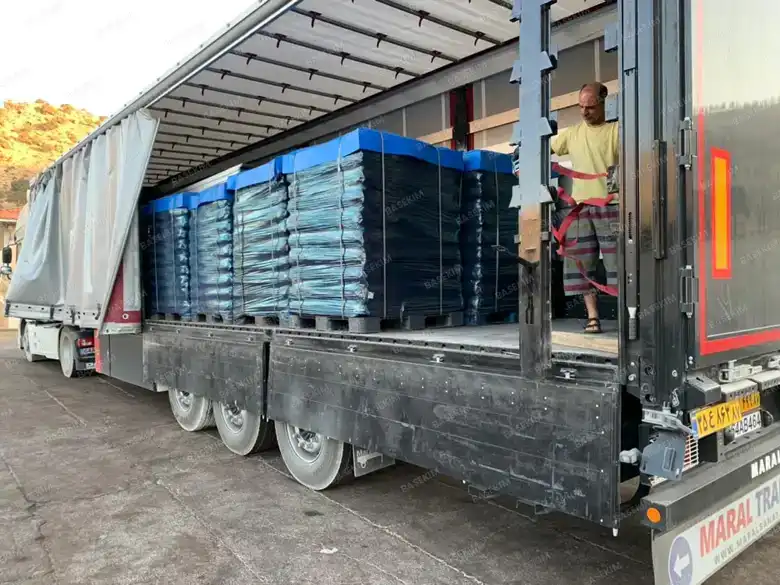
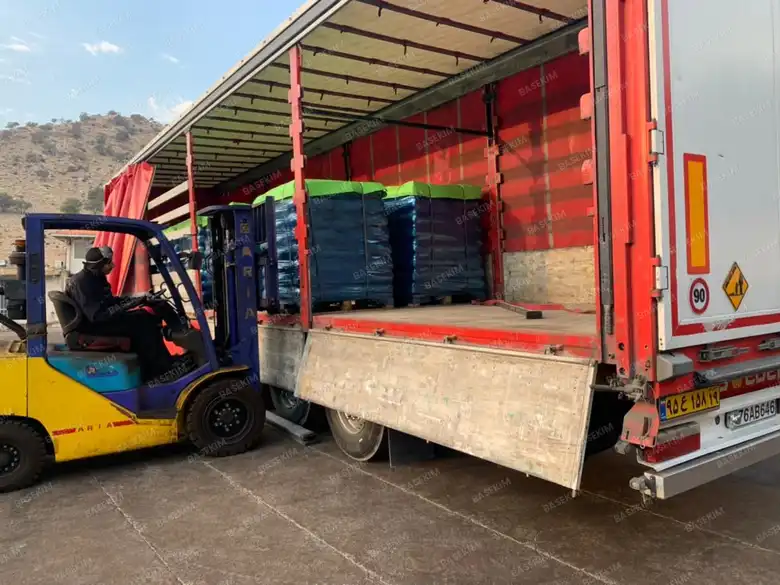
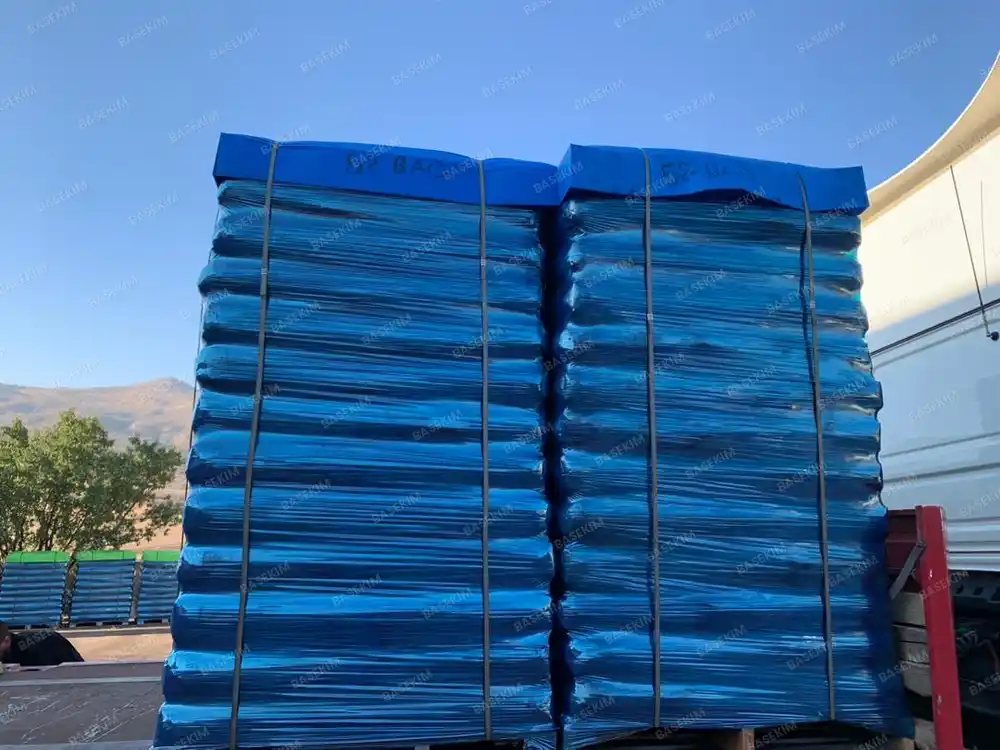
| Packing | 25 kg bags palletized; 1 MT jumbo bags. | |
Typical values. The final specification is confirmed in the COA of each shipment.
Related articles
Choosing a Bituminous Waterproofing Primer
Primers improve adhesion of membranes and coatings. Excellent wetting and fast drying. A primer penetrates the pores of…
Gilsonite in Waterproofing: An Overview
Water is the main enemy of buildings and infrastructure. Bituminous waterproofing materials are widely used, and gilsonite improves…
Damp-Proof Courses and Bituminous Barriers
Damp-proof courses stop moisture rising through walls. Bitumen sheets or coatings placed in masonry joints. Adds hardness so…