
Choosing a Bituminous Waterproofing Primer
Primers improve adhesion of membranes and coatings.
Types
- Solvent-based (fast drying, deep penetration)
- Emulsion-based (low odour)
Gilsonite primers
Excellent wetting and fast drying.
What a primer does
A primer penetrates the pores of concrete or masonry, binds dust and creates a bituminous surface that the next layer can bond to. Without primer, membranes and coatings can peel.
Choosing a primer
| Primer type | Drying | Best for |
|---|---|---|
| Solvent-based gilsonite | Fast | Concrete, metal, cold weather |
| Bitumen emulsion | Slower | Indoor, low-odour areas |
Application
- Apply on clean, dry substrates.
- Use a brush or roller to work the primer into pores.
- Do not over-apply; a thin, even coat is best.
- Allow to dry fully before torching or applying hot compounds.
Why gilsonite primers
Gilsonite gives fast drying, good wetting and a firm, non-tacky film that does not pick up dust before the next layer.
Recommended product
Coating & Waterproofing Grade Gilsonite
| Property | Typical value | Test method |
|---|---|---|
| Appearance | Black powder | Visual |
| Softening point (R&B) | 150 – 200 °C | ASTM D36 |
| Ash content, max | 5 % | ASTM D3174 |
| Moisture, max | 1 % | ASTM D95 |
| Solubility in TCE, min | 97 % | ASTM D2042 |
| Particle size | ≤ 200 mesh | Sieve |
| Typical dosage | 5 – 25 % of compound | |
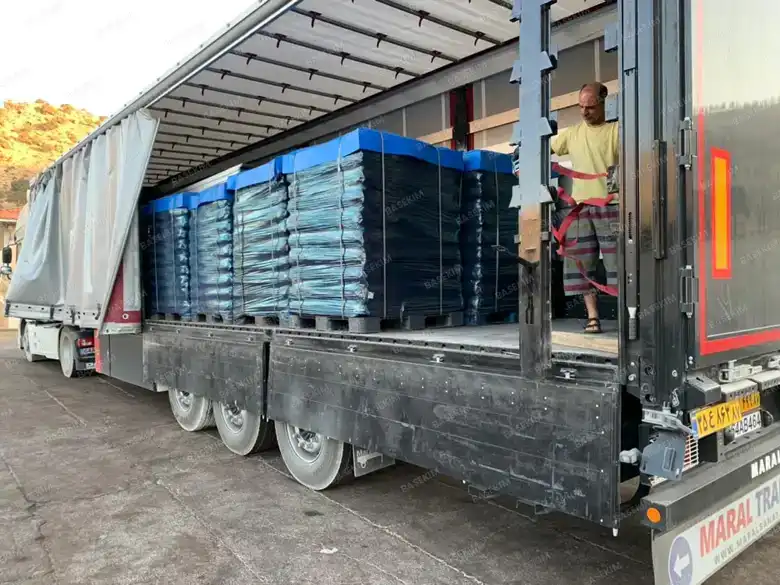
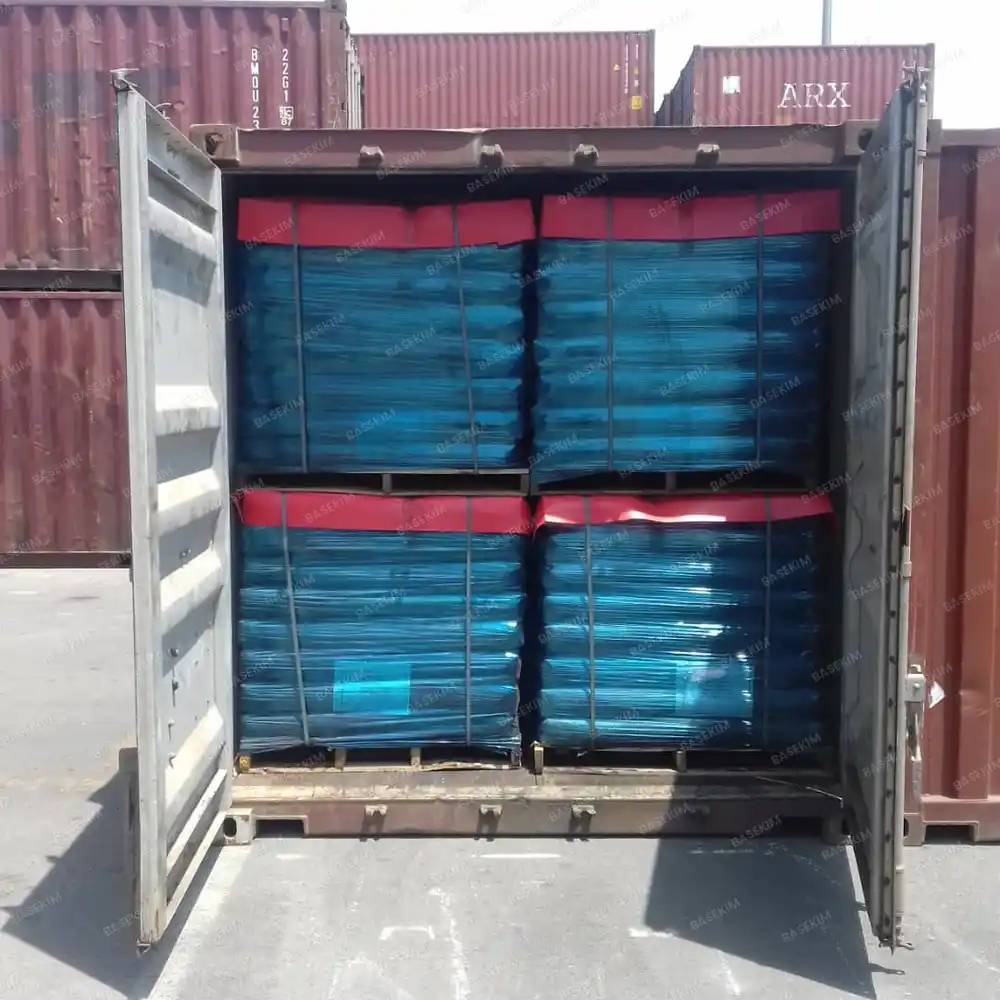
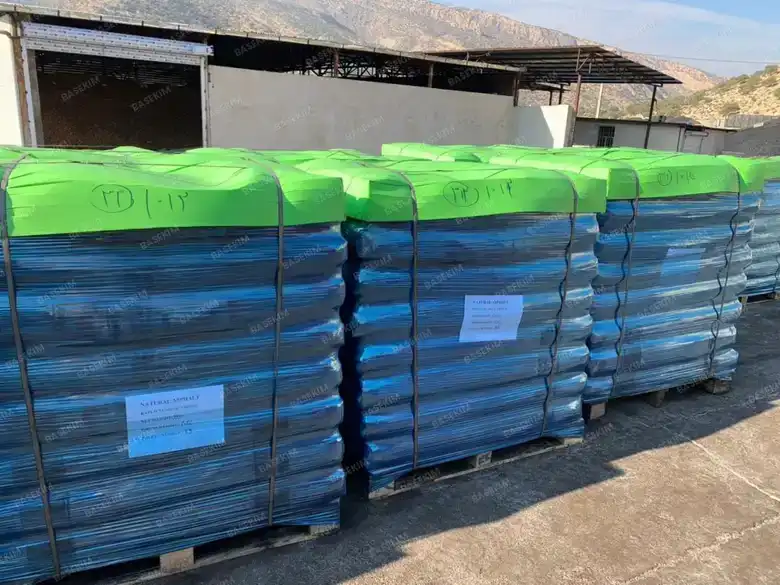
| Packing | 25 kg bags palletized; 1 MT jumbo bags. | |
Typical values. The final specification is confirmed in the COA of each shipment.
Related articles

Formulating Gilsonite Waterproofing Compounds
Softening point, flexibility, adhesion and water absorption. Softening point, sag on a vertical panel, drying time, flexibility over…
Tunnel and Underground Structure Waterproofing
Underground structures face constant water pressure. Improves hardness and resistance to soil and water pressure. Underground structures may…
Waterproofing in Hot Climates
Extreme heat softens bitumen, causing slipping on slopes and stickiness. Gilsonite raises softening point so coatings stay in…